
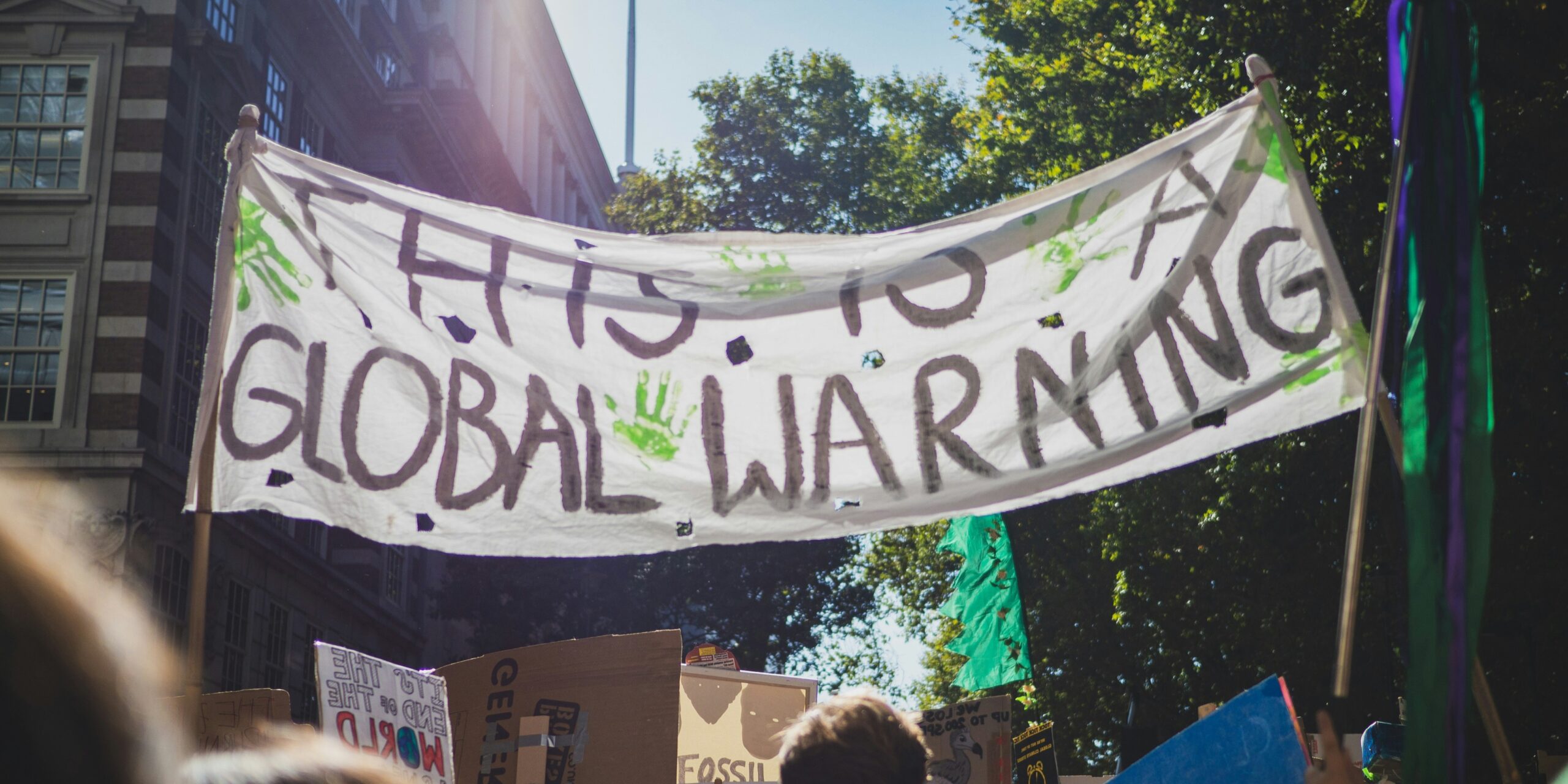
On January 28, 2026, the United States formally completed its withdrawal from the Paris Climate Agreement, marking a historic moment as the only nation now outside the global pact aimed at limiting greenhouse gas emissions. This move comes after a series of federal policy shifts earlier in the month, which saw the rollback of U.S. commitments to international climate cooperation and environmental regulations. The decision has ignited intense debate both domestically and globally, raising significant concerns about the future of climate action and the U.S.’s role in international environmental efforts.
The Paris Climate Agreement, which was signed by nearly 200 countries in 2015, represented a collective effort to address the climate crisis by limiting global warming to well below 2 degrees Celsius, with an aspiration to limit the rise to 1.5 degrees. The agreement encouraged countries to submit long-term climate action plans and set national targets to reduce greenhouse gas emissions, thus fostering a global commitment to tackling climate change. By formally exiting the accord, the U.S. becomes the first and only nation to withdraw from the agreement, setting it apart from other nations that remain committed to climate action. The decision has drawn sharp criticism from environmentalists, world leaders, and climate activists who argue that it undermines the global effort to mitigate the impact of climate change.
One of the primary concerns regarding the U.S. withdrawal is its potential to weaken global climate efforts. With the U.S. being one of the largest emitters of greenhouse gases, its departure from the Paris Agreement sends a concerning message to other countries. Critics fear that the exit could embolden other nations to backtrack on their climate commitments, which could derail progress in limiting global warming. The agreement was designed to create a framework for global cooperation on climate change, and without the U.S. on board, there are fears that international momentum will falter, leading to a lack of accountability among other major polluters.
In addition to global concerns, the withdrawal from the Paris Agreement also raises important questions about the future of U.S. climate policy. The United States had previously committed to ambitious targets for reducing carbon emissions, transitioning to renewable energy, and enhancing energy efficiency. By pulling out of the agreement, there are worries that these commitments will be weakened, undermining efforts to combat climate change at the domestic level. The U.S. had been seen as a key player in the global transition to clean energy, and its withdrawal could signal a retreat from the leadership role it once played in pushing for international climate action.
Some experts argue that without the pressure of international agreements, the U.S. may slow down its efforts to develop and implement clean energy technologies. With the world increasingly focused on renewable energy sources and carbon-reduction technologies, the U.S. could risk losing its competitive edge in the growing green energy market. As countries like China, the European Union, and India continue to invest heavily in clean energy infrastructure, the U.S. could fall behind if it does not maintain its own climate goals and policies. Critics warn that the U.S. may miss out on the economic benefits that come from the green energy transition, such as job creation, technological innovation, and new industries that could emerge as a result of global climate action.
Furthermore, the decision to leave the Paris Agreement raises questions about the future of U.S. energy industries, particularly those in the fossil fuel sector. While some energy executives, particularly in oil and gas companies based in Houston, have welcomed the rollback of environmental regulations, there are growing concerns within the industry about the long-term implications. Despite advocating for deregulation in certain areas, many energy leaders understand that a lack of standardized global emissions frameworks could complicate international competitiveness. Without a unified global approach to emissions, U.S. energy companies may face challenges in accessing international markets or in negotiating fair trade terms. This could ultimately affect their ability to remain competitive in a rapidly changing global energy landscape.
The economic ramifications of the withdrawal are not limited to the energy sector alone. As the U.S. steps away from international climate commitments, there may be broader economic consequences, particularly with regard to investments in green technologies. The U.S. had previously been a major player in global climate finance, providing financial support to developing nations to help them mitigate and adapt to climate change. By withdrawing from the Paris Agreement, the U.S. risks losing its influence in shaping global climate financing and international collaborations on clean energy research.
The U.S. withdrawal from the Paris Agreement also marks a significant turning point in the broader environmental policy debate. Proponents of the decision argue that the country should prioritize its own economic interests over international climate commitments, particularly as the global landscape becomes increasingly competitive. However, critics view the move as a retreat from global leadership on climate change, questioning whether the U.S. can continue to champion environmental protection and sustainable development without participating in international climate frameworks.
As the U.S. enters this new phase of environmental policy, the world watches closely to see how the decision will affect both domestic and global climate action efforts. The coming months and years will reveal whether the country can navigate the complexities of balancing economic growth, energy interests, and environmental sustainability. The future of U.S. climate leadership remains uncertain, but one thing is clear: this decision has set the stage for a significant shift in how the country approaches climate change, both within its borders and on the international stage.