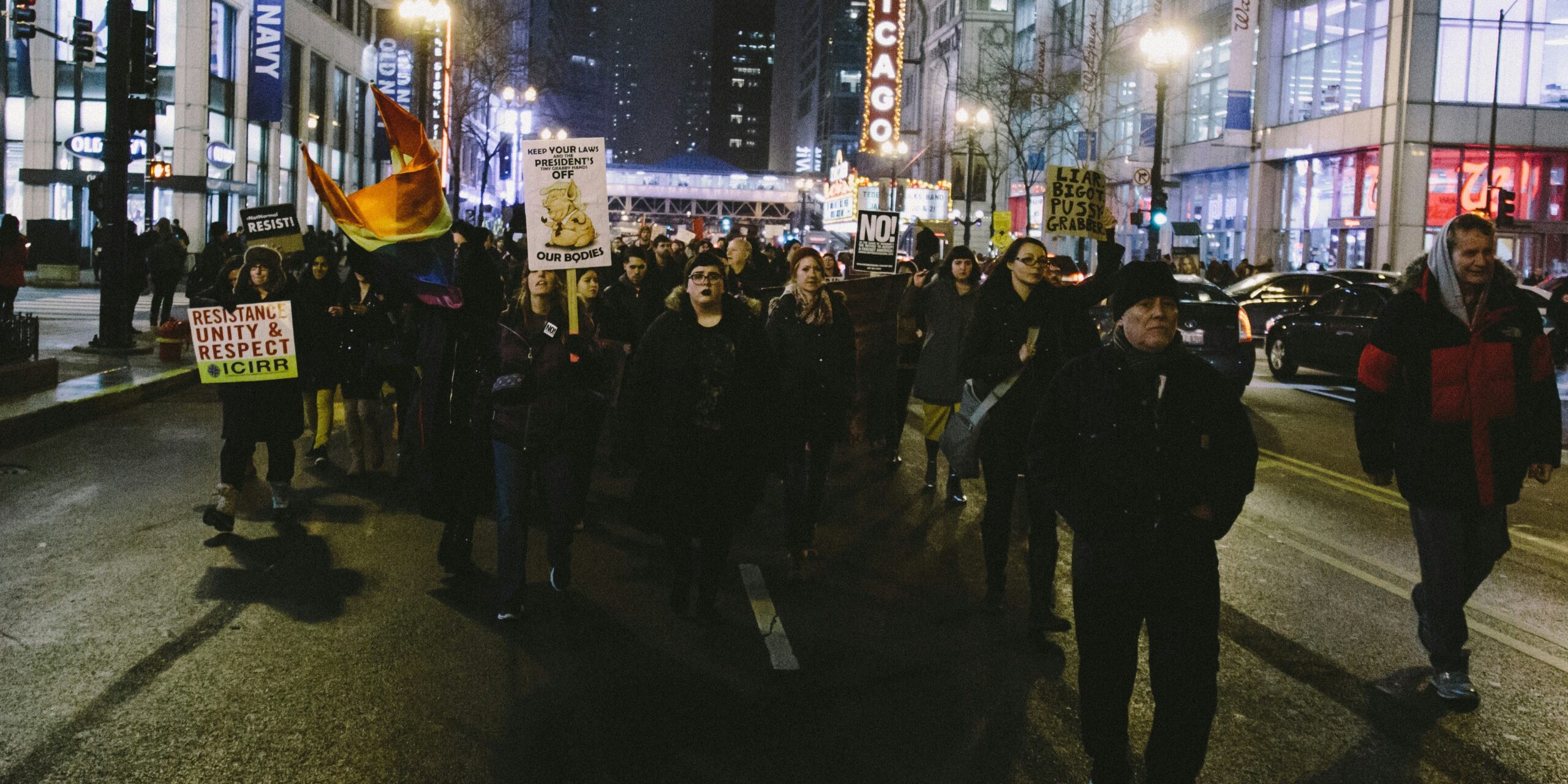
On January 30, 2026, a wave of nationwide protests and coordinated actions took place across the United States, with thousands of Americans engaging in a broad general strike and demonstrations in response to the federal immigration enforcement policies of the U.S. Immigration and Customs Enforcement (ICE). The movement, which was marked by the slogan “No Work, No School, No Shopping,” mobilized citizens in cities from coast to coast to oppose the agency’s recent actions, which had sparked public outrage following fatal encounters involving ICE agents.
The protests began in several major cities, including Minneapolis, Los Angeles, New York City, and Philadelphia, and quickly spread to other urban centers. The strike was not just a protest against specific ICE operations but also a call for systemic change in the country’s immigration policies. It was organized to coincide with a wave of heightened anger over ICE’s handling of immigration enforcement and was seen as a powerful reflection of growing public dissatisfaction with the agency’s methods and its role in communities. Demonstrators across the nation gathered to march, hold rallies, and demand policy changes while halting regular activities, including work, school attendance, and commerce.
One of the main driving factors behind the protests was the deaths of individuals involved in encounters with federal agents during recent ICE operations. The tragic loss of lives in such encounters, particularly the high-profile deaths of Renée Good and Alex Pretti during a raid in Minneapolis, had triggered public outrage and amplified demands for accountability from the agency. The protesters’ message was clear: they wanted an end to what they described as aggressive, unchecked federal enforcement tactics that targeted immigrant communities. Demonstrators also called for a fundamental rethinking of the nation’s immigration policies, including calls to defund ICE, end family separations, and provide more protections to immigrants.
In Minneapolis, the heart of the protests, the general strike was the culmination of weeks of organizing by community leaders, activists, and labor unions. The city saw some of the most powerful demonstrations, with thousands taking to the streets. Schools closed early, and many businesses in the Twin Cities shut their doors in solidarity with the movement. The protests also saw large numbers of students walking out of their schools to participate in marches and rallies, underscoring the widespread discontent among younger generations. Public buildings, including federal offices, were also targeted by protesters who hoped to raise awareness about the need for policy reform.
The protests were not confined to Minneapolis, however. In Los Angeles, a massive rally took place outside City Hall and federal government buildings. Demonstrators there chanted slogans demanding an end to ICE raids and decried the agency’s perceived overreach. In New York City, protesters gathered in major public spaces, with hundreds filling the streets and taking part in sit-ins. Other cities, including Chicago, San Francisco, and Washington D.C., also witnessed protests and marches organized by immigrant rights groups, civil rights organizations, and labor unions.
The participation of students and young activists was one of the defining features of the protests. Across the nation, many school districts reported walkouts and protests led by high school and university students. The movement represented a significant moment of youth activism, with students demanding changes not only in how immigration enforcement is carried out but also in the broader societal approach to immigrant rights. Some school districts responded by issuing statements condemning the protests, while others took a more supportive stance, acknowledging the students’ right to voice their opinions.
In addition to the protests, the day was marked by symbolic acts of defiance. Businesses, from large corporations to local shops, either closed for the day or pledged to donate portions of their earnings to immigrant rights groups. This show of solidarity by the private sector added another layer of significance to the protests, demonstrating a degree of widespread public support for the movement. In some cases, even essential services like public transportation were affected, as workers joined in the call for a national shutdown of normal activities to disrupt business as usual and make a statement to policymakers.
The protests also served as a stark reminder of the deep divide in the country over immigration. While the demonstrators made their case for change, several political leaders and law enforcement officials stood by the need for strong immigration enforcement. In places like Texas, local law enforcement and political figures defended the work of ICE, stressing that the agency’s actions were necessary for national security and the upholding of immigration laws. These contrasting views highlighted the broader national debate over immigration policy, which remains one of the most contentious and polarized issues in the U.S.
The National Shutdown was seen as a watershed moment in the ongoing debate over the role of ICE and the treatment of immigrants in the U.S. It was one of the largest coordinated civic actions in recent months and underscored the growing engagement of ordinary citizens in political activism. The protests not only called attention to the human cost of current immigration enforcement policies but also highlighted the widespread public desire for comprehensive reform of the nation’s immigration system.
In the days following the protests, organizers vowed to keep the momentum alive. Plans for future actions and advocacy efforts were already in the works, with groups calling for continued public pressure on lawmakers and government officials. The protests on January 30, 2026, may have marked a significant turning point in the public discourse around immigration policy in the United States, setting the stage for further debates, demonstrations, and policy changes in the months ahead. The movement showed that, for many, the fight for immigrant rights and justice was far from over and would continue to shape the national conversation for years to come.