In a significant political development on February 5, 2026, Democratic lawmakers have issued an ultimatum to the Biden administration and the Republican-controlled Senate, demanding substantial reforms to Immigration and Customs Enforcement (ICE) practices, particularly in light of what they describe as ongoing human rights violations and aggressive tactics by the agency. The demand, which includes blocking funding for the Department of Homeland Security (DHS), underscores the deepening divide over immigration enforcement, one of the most contentious issues in American politics.
Background and Context
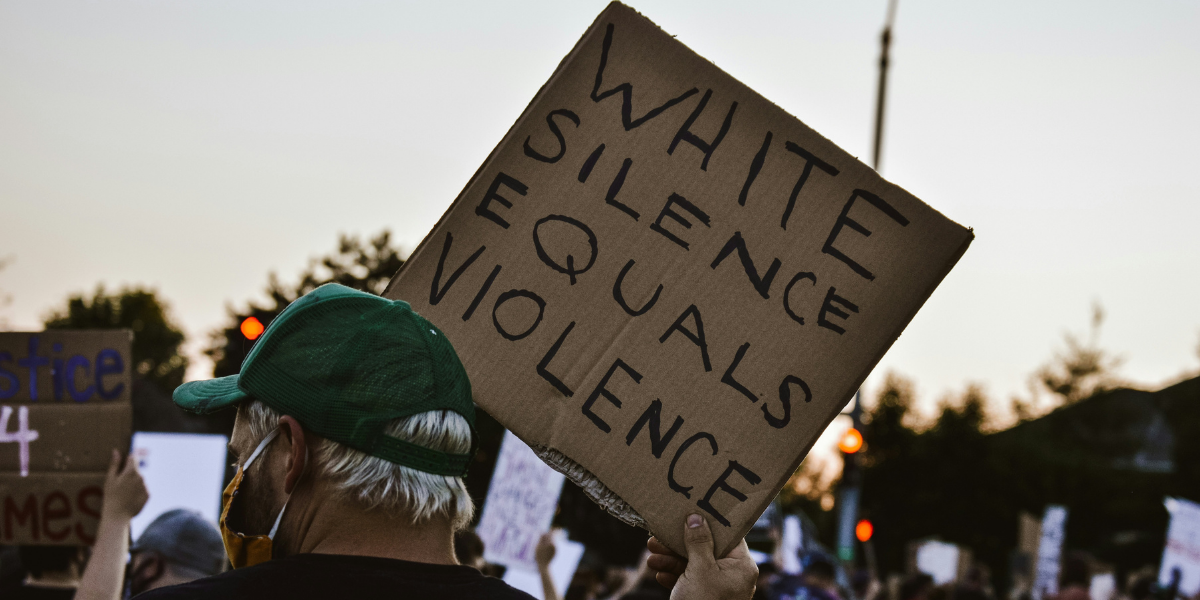
The push to overhaul ICE practices comes after months of public outcry and protests, which have only intensified in the wake of a series of controversial ICE raids that critics argue disproportionately target immigrant communities and violate basic civil rights. These operations have been particularly controversial in cities with large immigrant populations, where local leaders have condemned ICE’s aggressive tactics as contributing to heightened fear and anxiety in vulnerable communities.
In recent years, ICE’s operations have faced criticism not only from immigrant rights groups but also from local lawmakers and law enforcement agencies that argue the agency’s methods are out of line with modern policing and humanitarian practices. Activists have pointed to family separations, unlawful detentions, and racial profiling as specific violations of human rights. These issues have become key points in the broader political debate over immigration reform.
The Democratic Demand for Change
Democratic legislators, particularly in the House, are pushing for a complete overhaul of ICE. Rep. Judy Chu (D-CA), a prominent voice on immigration reform, stated: “We cannot continue to allow a federal agency to operate without proper oversight and accountability. It’s time for dramatic changes to how ICE operates. We need reforms that reflect our nation’s values of fairness and justice.”
The proposed changes would limit ICE’s ability to engage in enforcement actions outside of the court system, ensuring that local communities can protect immigrant residents from overreach. Further, the proposal calls for shifting immigration enforcement responsibilities from ICE to other departments more aligned with public safety and civil rights protections.
One of the most significant aspects of the Democrats’ plan involves withholding funding for ICE if the agency continues its current operations. This move would require Congress to approve budget allocations for DHS, including funding for immigration enforcement. The push for this strategy comes as part of a broader effort to leverage the power of the purse to influence policy changes, as Democrats seek to hold the Biden administration accountable for its handling of ICE and immigration enforcement.
The Broader Debate on Immigration Reform
This political showdown comes amid the larger debate on comprehensive immigration reform in the United States. While many Democrats argue that the current immigration enforcement framework is cruel and inhumane, Republicans, particularly those aligned with former President Donald Trump’s policies, argue that strict enforcement is necessary to protect U.S. borders and ensure national security.
The Democratic stance, which calls for humanitarian reforms and a pathway to citizenship for undocumented immigrants, clashes sharply with Republican calls for border wall construction and tighter immigration restrictions. The fight over ICE funding and enforcement strategies is just one facet of this broader ideological divide.
Some progressives, including members of the Progressive Caucus in Congress, are pushing for even more radical changes to the country’s immigration system, advocating for abolishing ICE entirely. However, more moderate Democrats are calling for reforms that balance the need for effective immigration enforcement with the protection of basic human rights.
The Role of Local Governments and Sanctuary Policies
Local governments, particularly in sanctuary cities like New York and San Francisco, have played an important role in opposing ICE operations. These cities have adopted policies that limit cooperation with federal immigration enforcement, including refusing to honor detainers or allow ICE agents to make arrests within their jurisdiction.
Local leaders argue that these policies are crucial for building trust between immigrant communities and law enforcement, thereby promoting public safety. Advocates for sanctuary policies claim that allowing ICE to operate unchecked fosters fear among immigrant populations and undermines community trust in the police.
This ongoing battle between local officials and federal authorities is not just a policy debate but a political and moral one, with clear implications for future elections. As Congress gears up for the 2026 midterms, immigration reform is expected to be one of the central issues that shape voters’ decisions.
Republican Opposition and the Future of ICE
Republicans have strongly opposed the Democrats’ proposals, viewing them as an attempt to weaken national security and reward illegal immigration. GOP leaders argue that ICE plays an essential role in protecting the United States from illegal drug trafficking, human trafficking, and other criminal activities. Republican lawmakers are likely to continue advocating for policies that support border enforcement and limit protections for undocumented immigrants.
The continued political gridlock over immigration reform reflects the fundamental ideological divisions between the two parties, with Democrats emphasizing the need for reform based on compassion and human rights, while Republicans stress the importance of maintaining strict border security and enforcing immigration laws.
The Road Ahead: What’s at Stake
The fight over ICE funding and enforcement practices is far from over, and it is likely to intensify as the 2026 midterm elections approach. With immigration poised to remain a defining issue in national politics, the outcome of these debates will have long-term implications for the future of U.S. immigration policy.
For Democrats, this moment represents an opportunity to reshape national immigration policy, making it more humane and just. However, this will require not only securing the votes of moderate Democrats and independents but also confronting a deeply entrenched political opposition.
As Congress moves forward, it will be crucial for lawmakers on both sides to find common ground or risk continued division that could have serious implications for the immigrant communities at the heart of this debate. The coming weeks will likely see more intense discussions, as well as public demonstrations, aimed at pushing Congress toward reform.
This ongoing debate marks a pivotal moment in the national conversation on immigration and sets the stage for one of the most contentious policy battles of the next few years.