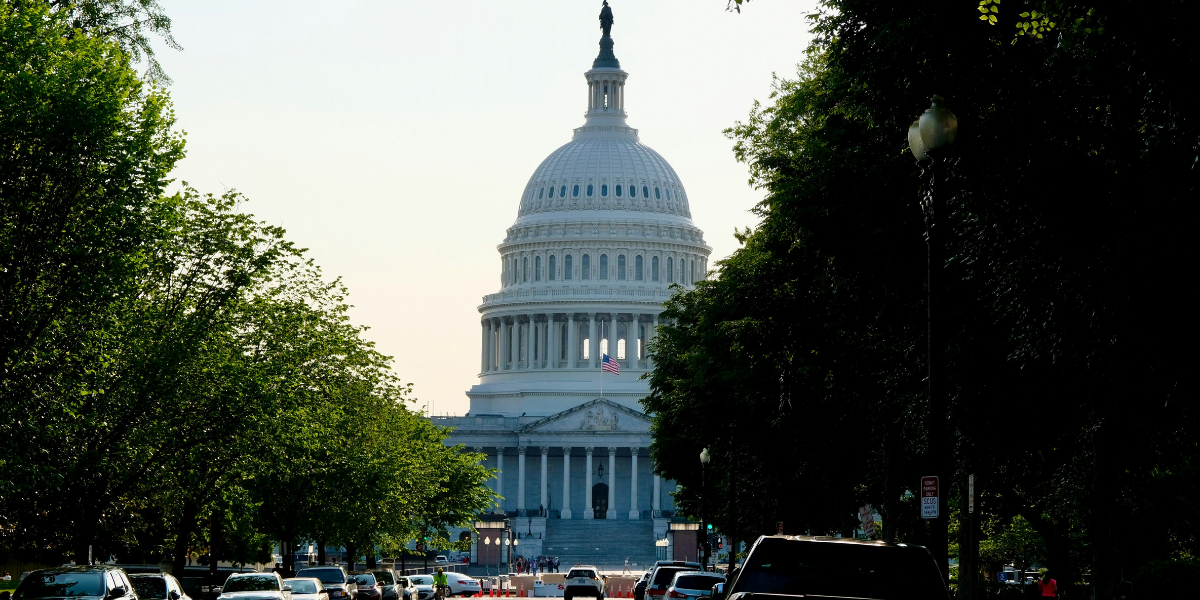
On February 10, 2026, the U.S. House Homeland Security Committee held a high-profile oversight hearing featuring testimony from leaders of major federal immigration agencies, including Immigration and Customs Enforcement (ICE), Customs and Border Protection (CBP), and U.S. Citizenship and Immigration Services (USCIS). The event marked the first time top enforcement officials appeared before Congress since the controversial deaths of two U.S. citizens in Minneapolis during immigration operations, and it brought sharply into focus deep partisan divisions and urgent questions about the role of immigration enforcement in America’s domestic policy landscape.
Context of the Hearing
Immigration enforcement has become one of the most contentious political issues in the United States. In recent months, federal agents have expanded interior immigration operations under the Trump administration, triggering public outcry, especially after two U.S. citizens, Renee Macklin Good and Alex Pretti, were shot and killed by Department of Homeland Security (DHS) agents in Minneapolis. These incidents have intensified scrutiny of enforcement tactics, training, accountability mechanisms, and the broader direction of federal immigration policy.
Against that backdrop, the House Homeland Security Committee convened a testimonial session with agency heads to answer lawmakers’ questions about enforcement procedures, internal oversight, and accountability for actions taken in the field.
Testimony from Enforcement Officials
The acting head of ICE, Todd Lyons, along with the commissioners of CBP and USCIS, defended their agencies’ actions and broadly reaffirmed their commitment to enforcing federal immigration law. Lyons repeatedly stressed that enforcement training and operations are designed to comply with legal statutes, pushing back on accusations that agents operated outside their authority. However, Lyons declined to answer detailed questions about specific use-of-force incidents, citing ongoing investigations, and he stopped short of offering a direct apology to the families of the victims.
Republican members of the committee framed much of their questioning around operational challenges, the safety of agents and communities, and the need to maintain robust enforcement in order to deter unauthorized migration. Committee Chairman Rep. Andrew Garbarino (R‑N.Y.) described the deaths in Minneapolis as “unacceptable and preventable,” while asserting that a full investigation was needed before drawing broad conclusions.
Partisan Tensions and Calls for Accountability
Democratic lawmakers used the hearing to press for deeper accountability and oversight measures. Many Democratic members, reflecting concerns from civil rights advocates and immigrant communities, highlighted troubling reports of U.S. citizens being questioned or detained in immigration sweeps, raising alarms about due process, racial profiling, and civil liberties. They emphasized that federal immigration enforcement must respect constitutional protections and human rights, particularly when operation tactics result in loss of life.
These tensions come as Congress approaches a looming deadline for DHS funding, currently set to expire later this week. Without a negotiated agreement, lawmakers could resort to another stopgap funding measure. The hearing underscored that Democrats are pushing for federal funding bills to include stronger oversight provisions and possible restrictions on ICE and CBP activities.
Policy Implications and Public Debate
The hearing reflects broader national policy debates about immigration enforcement, civil liberties, and the balance between border security and human rights. Progressive advocates argue that current enforcement practices have strayed too far from established legal norms and emphasize the need for reform, accountability, and transparency. Public opinion polls have shown growing disapproval of ICE tactics amid heightened enforcement operations across U.S. cities, a trend that could influence congressional negotiations and legislative priorities in the months ahead. Progressive lawmakers have argued that any funding or legislation addressing DHS must include enforceable accountability standards and protections for civil rights.
Meanwhile, some Republican lawmakers maintain that robust interior enforcement is essential to uphold federal immigration law, deter unauthorized entry, and ensure public safety. These conflicting priorities point toward an extended legislative battle over not just funding, but the very scope and character of federal immigration policy in 2026.
Looking Ahead
As the debate unfolds in Congress, the hearing on February 10 serves as a flashpoint for what could become a defining policy clash in this election year. With DHS funding negotiations imminent and the 2026 midterm elections approaching, lawmakers, and the public, will continue to wrestle with questions of accountability, enforcement limitations, and the balance between law enforcement powers and civil liberties.
For progressive audiences, this moment highlights the need for sustained civic engagement and oversight to ensure that federal immigration policy aligns with constitutional principles, human rights, and the dignity of all individuals within the United States.
