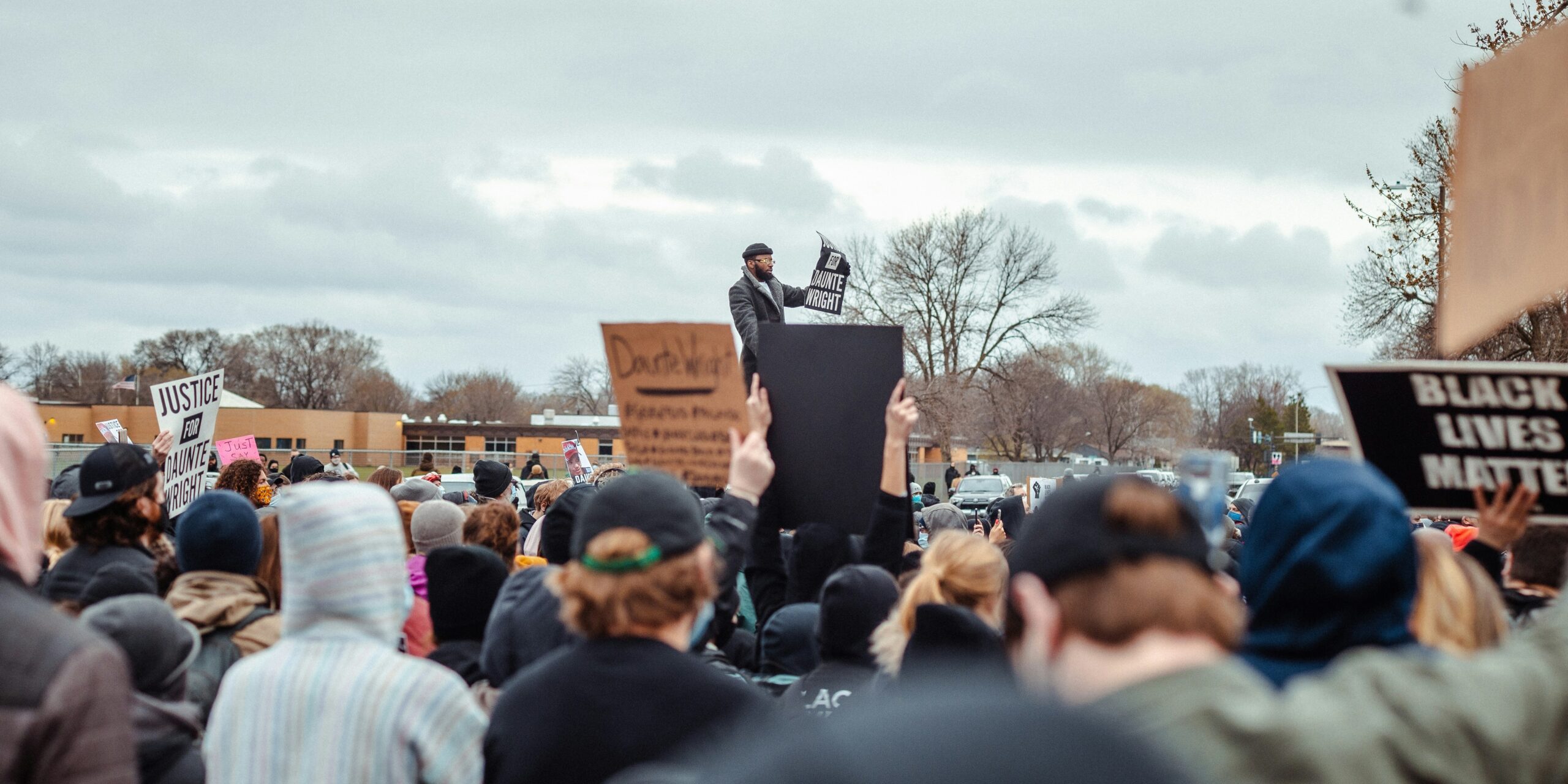
On January 15, 2026, a federal judge in Minnesota issued a significant ruling that restricts how federal immigration enforcement agents can engage with protesters and bystanders during ongoing operations in the Minneapolis metropolitan area. The injunction, which was handed down this week, bars Immigration and Customs Enforcement (ICE) agents and other federal officers from detaining or using forceful tactics such as tear gas against individuals who are lawfully present and engaged in First Amendment-protected activity. This legal action follows a lawsuit filed in December by six local activists, represented by the ACLU, who alleged that their constitutional rights had been violated amid an intensified federal immigration enforcement presence in the region.
The ruling comes in response to heightened tensions between federal authorities and local communities, particularly regarding civil liberties and the actions of law enforcement during demonstrations. The Minneapolis area has been a hotbed of protests in recent months, with many residents objecting to the growing presence of federal immigration agents. These protests intensified after the fatal shooting of a local resident by an ICE officer in early January. The incident sparked widespread outrage, culminating in both public demonstrations and legal action challenging the conduct of federal officers.
The judge’s decision represents a growing trend of judicial oversight over federal enforcement methods, which have been a subject of contention in many parts of the United States. In this case, the plaintiffs argued that federal agents were using overly aggressive tactics to disperse crowds and intimidate peaceful observers. The legal challenge emphasized the use of chemical irritants and other crowd-control methods against individuals who posed no threat, as well as instances where individuals were detained without just cause. The injunction seeks to ensure that peaceful protesters and bystanders, who are not actively obstructing law enforcement, are not subjected to undue force or intimidation during demonstrations.
The ACLU, which has been actively involved in advocating for civil liberties in the face of federal immigration enforcement, has hailed the ruling as an important victory. The organization noted that the decision underscores the importance of protecting individuals’ rights to peacefully assemble and express dissent without fear of retaliation from law enforcement. By restricting the use of tear gas and other forceful measures, the judge’s order aims to prevent further violations of constitutional rights, particularly in a context where local residents have increasingly expressed concerns about the impact of federal immigration policies on their communities.
While the legal action and the ruling primarily focus on the specific conduct of federal agents during protests, they also reflect a broader national conversation about the role of federal law enforcement in local communities. In recent years, there has been increasing scrutiny over the aggressive tactics sometimes employed by federal agencies during operations, especially in cases involving immigration enforcement. Many local leaders have voiced concerns that the presence of federal officers in their communities not only infringes on residents’ rights but also contributes to a climate of fear and division.
In response to the ruling, the Department of Homeland Security (DHS) and ICE have defended their actions, asserting that they are necessary to enforce federal immigration laws and protect the safety of law enforcement officers. DHS officials argue that the tactics used by federal agents are proportional to the risks posed by protesters, some of whom they claim have engaged in violent acts or obstructed federal operations. Federal authorities have pointed to the larger context of Operation Metro Surge, which has seen the deployment of thousands of immigration enforcement officers across the state of Minnesota in an effort to apprehend individuals subject to deportation orders.
Despite the government’s defense of their tactics, the ruling is likely to have far-reaching implications for how immigration enforcement agencies operate in areas with significant public protest. The decision highlights a critical tension between law enforcement efforts to uphold federal immigration laws and the protection of civil rights, particularly the right to free speech and assembly. Many community leaders, civil rights organizations, and legal experts have expressed support for the judge’s decision, viewing it as a necessary check on federal power and a reaffirmation of the constitutional protections that ensure a functioning democracy.
The legal battle is far from over. While this ruling represents a victory for the plaintiffs and their supporters, it is only a temporary injunction. The case will continue to move through the courts as both sides prepare for further legal challenges. Some federal officials have already indicated their intention to appeal the decision, arguing that it limits their ability to effectively carry out their duties in the field. As the case progresses, there may be additional motions filed and more rulings issued that could further shape the boundaries of federal enforcement tactics in Minnesota and beyond.
The ruling also comes at a time of increasing division between federal and local authorities on matters related to immigration enforcement. While federal officials continue to push for stronger immigration controls, many local governments, including those in Minnesota, have been vocal in their opposition to aggressive federal tactics, citing the impact they have on immigrant communities and their families. In some cases, state and local leaders have taken steps to limit the cooperation between local law enforcement and federal immigration authorities, reflecting a broader shift toward protecting the rights of immigrant populations in areas where federal enforcement actions are seen as excessive.
For many observers, this case represents more than just a dispute over the actions of immigration officers; it is emblematic of the larger societal debate over the role of federal government in local communities. The decision to limit the tactics of immigration agents underscores the ongoing struggle to balance public safety, civil liberties, and the enforcement of federal laws. As the case continues to unfold, it is likely to have significant implications for future legal challenges to federal law enforcement actions, particularly in areas where immigration enforcement intersects with community protests and public dissent.
The court’s ruling is part of a larger conversation about the role of federal authorities in shaping local policies and how those policies are enforced on the ground. As the legal process moves forward, it remains to be seen how both sides will adapt to the evolving landscape of immigration enforcement and civil rights protections in the United States.
