
NOAA Report Shows Record U.S. Summer Heat Deepening Drought And Wildfire Risks
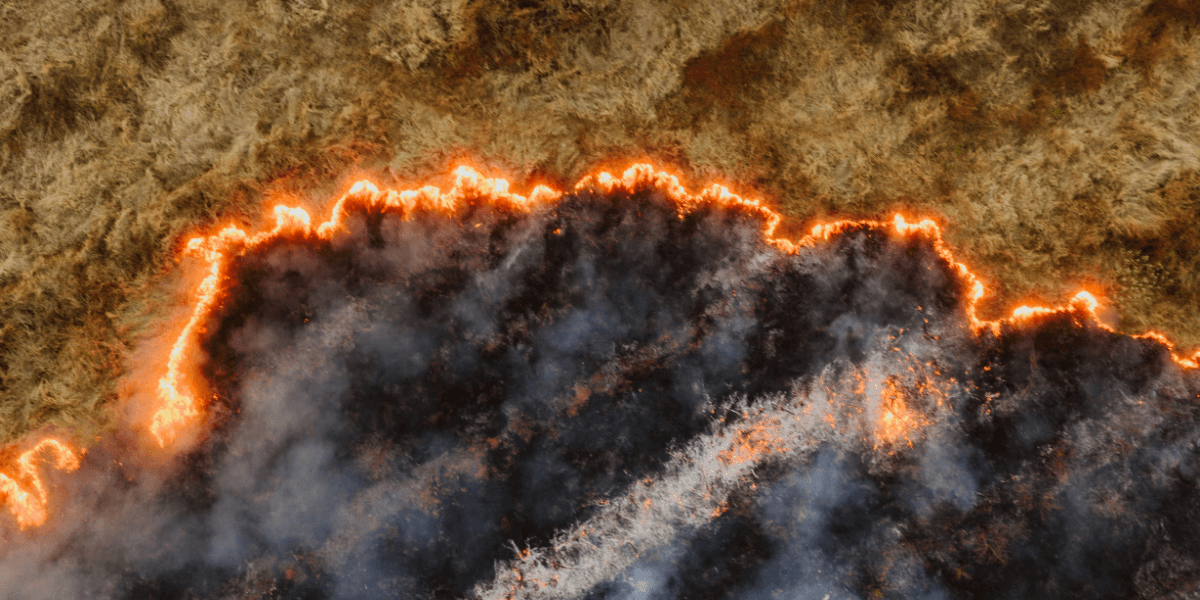
NOAA data released September 16 shows record U.S. summer heat, widespread drought, severe wildfires, and historic reservoir lows.
The summer of 2026 ended with a stark picture of heat, drought, wildfire, and shrinking water supplies across much of the United States. On September 16, the National Oceanic and Atmospheric Administration's National Integrated Drought Information System published a sweeping assessment showing that the contiguous United States experienced its warmest meteorological summer on record. The findings make the U.S. summer drought of 2026 one of the year's most significant climate stories, with consequences stretching from Western reservoirs to communities facing wildfire and smoke.
U.S. Summer Drought 2026 Followed Record Heat
According to NOAA, the average temperature across the contiguous United States from June through August was 74.4 degrees Fahrenheit, 3 degrees above the twentieth century average. That made summer 2026 the warmest in a 132 year record and pushed the previous records from 1936 and 2021 into second place. The new mark exceeded those earlier records by 0.4 degree Fahrenheit. August alone averaged 75.6 degrees, making it the warmest August on record nationwide.
Rainfall did not keep pace with the heat. The contiguous United States received 8.11 inches of precipitation during the summer, 0.21 inch below the twentieth century average. Conditions varied sharply by region. Parts of the Midwest received unusually heavy rainfall, while drought intensified elsewhere. Texas and Oklahoma, for example, received less than 30 percent of their normal August precipitation. By September 1, drought covered 59.1 percent of the contiguous United States, according to NOAA.
The combination of persistent heat and dry conditions also contributed to a severe wildfire season. The September 16 drought assessment reported that more than 55,000 fires had burned over 8.4 million acres nationwide by mid September. Updated National Interagency Fire Center statistics on September 17 put the total at 56,161 fires and more than 8.5 million acres burned. That acreage was 147 percent of the ten year average for that point in the year. More than 12,000 personnel remained assigned to wildfire incidents across the country.
Western Water Supplies Add Another Warning Sign
The U.S. summer drought of 2026 has also intensified concerns about water availability in the West. NOAA reported that 10 of 12 major Bureau of Reclamation reservoirs examined in late August were below their historical averages. Lake Mead and Lake Powell both reached record low elevations during August following a winter marked by exceptionally low snowpack.
Federal data show that the challenge is broader than a single dry season. The Bureau of Reclamation says the Colorado River Basin has experienced drought for the past 26 years. Following record low snowpack during the winter of 2025 and 2026, combined storage in Lake Mead and Lake Powell fell below levels seen since before Lake Powell began filling in 1963. The Colorado River serves seven U.S. states and Mexico, making reservoir conditions important for communities, agriculture, industry, and ecosystems throughout the region.
The outlook contains another important factor. NOAA's Climate Prediction Center said on September 10 that El Niño was strengthening and had a greater than 90 percent chance of becoming a very strong event during fall and winter. El Niño can shift seasonal weather patterns across the United States. NOAA noted that such conditions typically increase the chances of wetter weather across parts of the southern United States while favoring warmer conditions across portions of the North. That does not guarantee drought relief in any particular location, but it gives water managers, farmers, emergency officials, and residents an important trend to monitor.
Why The September 16 Climate Assessment Matters
The significance of NOAA's September 16 assessment lies in how several climate pressures are appearing at the same time. Record summer temperatures, widespread drought, an unusually active wildfire year, and historically low Western reservoirs are not isolated statistics. Together, they affect water planning, agriculture, public infrastructure, wildfire preparedness, electricity demand, and local emergency planning.
For communities across the country, the central takeaway is that national climate records can have practical local consequences. Conditions vary considerably from one state to another, meaning national averages provide only part of the picture. Drought can place additional pressure on water supplies and agriculture, while dry vegetation can contribute to conditions that allow wildfires to spread. At the same time, sustained high temperatures can increase electricity demand and create additional challenges for infrastructure.
The September assessment also illustrates why continued monitoring matters. Seasonal weather patterns can change, and rainfall during the fall and winter could improve conditions in some regions. However, reservoir levels, soil moisture, snowpack, and wildfire conditions reflect longer trends that may not reverse after a single wet period. Local and federal monitoring will therefore remain important as the country moves into the final months of 2026.
For readers, the summer of 2026 provides a clear reason to pay attention to local drought classifications, wildfire notices, water conditions, and seasonal forecasts. NOAA, the National Interagency Fire Center, and other public agencies regularly update this information as conditions change. Following those updates can help communities better understand how national climate trends are developing close to home.
The September 16 findings ultimately capture a summer defined by exceptional heat and widespread environmental pressure. As fall begins, the focus now shifts to whether changing weather patterns can bring meaningful relief to drought affected areas and how quickly strained reservoirs and landscapes can recover. The answers will help determine how strongly the effects of the record summer continue to be felt across the United States.

Democrat Digest Contributor
This article features partner, contributor, or branded content from a third party. Members of the Democrat Digest editorial staff were not involved in the creation of this content. All views and opinions are those of the contributor alone.
You May Also Like

Record-Breaking U.S. Summer Highlights Growing Challenge of Extreme Heat

Education Equity Takes Center Stage at Chicago Civil Rights Forum

2026 Midterm Elections Enter Critical Final Stretch as Battle for Congress Intensifies

Federal Investment in Extreme-Heat Planning Puts Climate Resilience at the Center of Public Policy

NASCAR Playoffs Begin at Darlington as 16 Drivers Open Championship Battle