
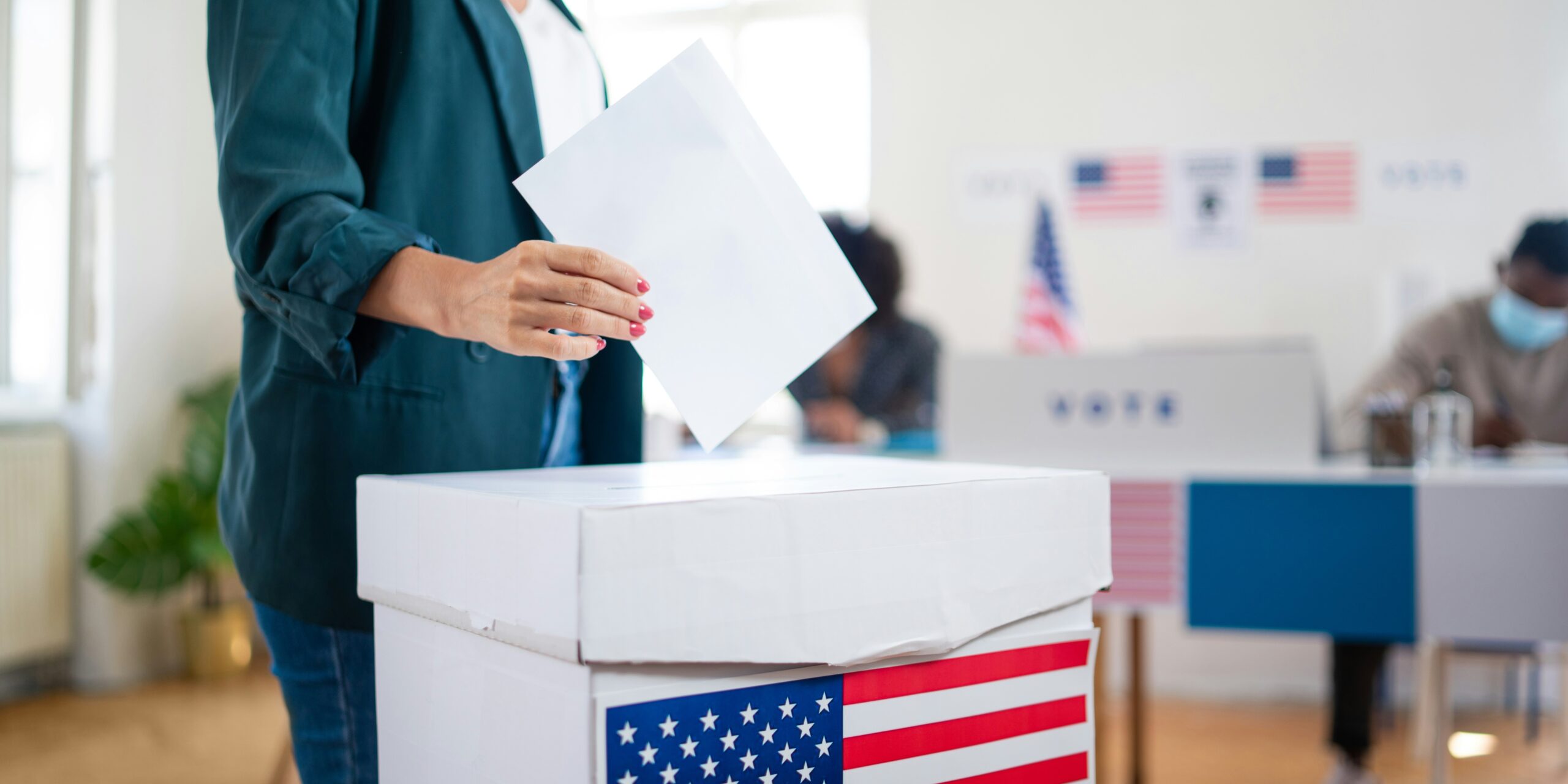
On January 31, 2026, voters in Texas’s 18th Congressional District headed to the polls for a highly anticipated special runoff election. This election was to determine the successor for the late Democratic Representative Sylvester Turner, who passed away after a long career in Congress. The results of this election are expected to have significant ramifications, particularly in narrowing the already slim Republican majority in the U.S. House of Representatives.
The race has come down to two prominent Democratic contenders: Christian Menefee, Harris County’s first Black county attorney, and Amanda Edwards, a former Houston City Council member. Both candidates emerged as the top two choices from a crowded primary field, and the winner will serve out the remainder of Turner’s term. Their position will not only influence local policy but could also play a pivotal role in key votes at the national level, particularly on contentious issues such as immigration enforcement and federal funding. The district’s unique political dynamics and the timing of this election make it a highly watched contest with implications that reach well beyond Houston.
The delay in holding the special election has been a point of contention for many Democrats. Critics argue that the postponement has inadvertently disadvantaged local voters and possibly boosted Republican chances in an already tightly contested environment. With the House of Representatives currently divided between a narrow 218-to-213 GOP majority, every vote counts, and Democrats are concerned that the timing of the election may affect voter turnout in the district. Historically, Texas’s 18th District has leaned Democratic, but the long gap between the passing of Representative Turner and the election date has raised concerns about voter engagement and participation.
As the candidates battle for the position, each has made it clear what they stand for. Edwards has centered her campaign around expanding access to healthcare and protecting voting rights, two issues that resonate deeply with many residents of the district. She has emphasized the importance of fighting for vulnerable communities and ensuring that everyone has the opportunity to participate fully in the democratic process. Her focus on healthcare reform is seen as especially timely, given the ongoing challenges surrounding the cost of care and the need for greater access to services in underserved areas.
Menefee, on the other hand, has positioned himself as an advocate for local economic development and community safety. Throughout his campaign, he has stressed the importance of strengthening the district’s neighborhoods through investments in infrastructure, jobs, and resources that would improve the quality of life for residents. Menefee’s approach emphasizes a practical, community-centered vision aimed at fostering long-term growth while maintaining public safety and enhancing the local economy.
The outcome of this election has the potential to shift the balance of power in Congress. While the winner will only serve the remainder of Turner’s term, the impact could be far-reaching, especially as the U.S. House grapples with important legislative decisions. Both Menefee and Edwards have clear platforms, and whichever candidate emerges victorious will be tasked with representing the 18th District during a time of significant national political tension. Given the narrow Republican majority in the House, the election’s results could influence crucial votes on policy issues that affect the entire nation.
In the weeks leading up to the special runoff, both parties have poured significant resources into the race, and political analysts will be watching closely to see if this district, which has traditionally leaned Democratic, remains in the blue column or if Republicans make gains in an increasingly competitive political landscape. As the race draws to a close, the eyes of not just Texas but the entire country will be on the 18th District, where the next representative will not only take the reins of a local legacy but may also play a vital role in shaping the direction of federal policy.
