
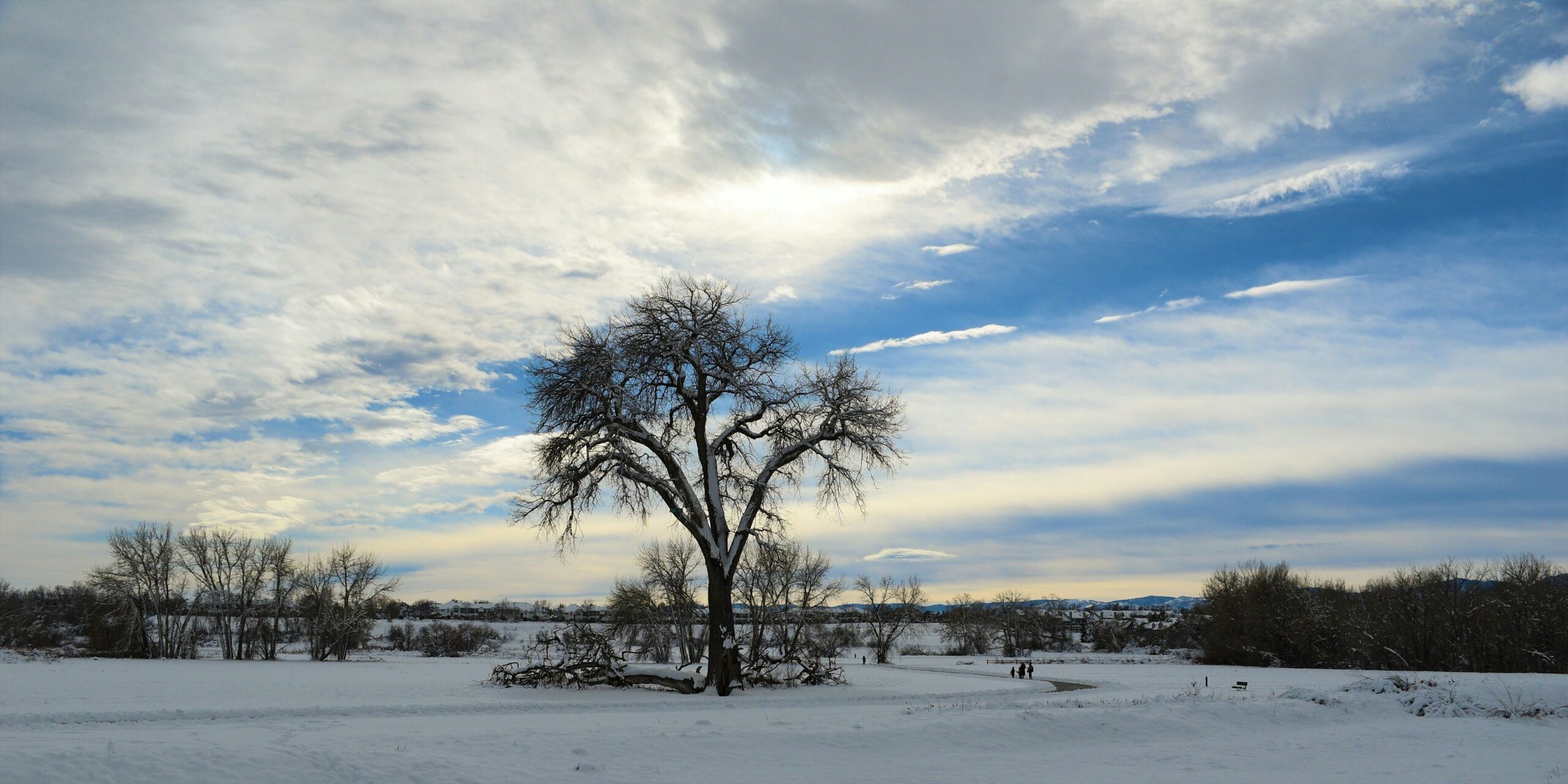
On January 21, 2026, a powerful polar vortex and its accompanying winter storm system took shape, affecting a vast stretch of the United States. Meteorologists and climate scientists have raised concerns about how shifting climate patterns are influencing the nature of severe winter weather, with the polar vortex acting as a prime example of these evolving dynamics. This year’s storm, caused by a stretched polar vortex, is expected to bring heavy snowfall and prolonged periods of cold across large parts of the country, from the Southern Plains to the Northeast. This weather event underscores the growing realization among researchers that the warming of the Arctic may be playing a significant role in altering atmospheric circulation patterns, which in turn can cause more frequent and intense weather extremes.
The polar vortex is a large area of low pressure and cold air that typically sits over the Arctic region. However, as global temperatures rise due to climate change, the Arctic has been warming at a rate much faster than the rest of the planet. This phenomenon, known as Arctic amplification, has disrupted the polar vortex, causing it to stretch or split more often, which results in cold air being pushed into more temperate regions. Scientists are particularly concerned that the loss of sea ice in the Arctic is one of the factors contributing to this altered behavior, as sea ice helps to stabilize the temperature of the Arctic and influences atmospheric pressure systems that control weather patterns across the globe.
Though winter storms are not directly caused by climate change, researchers have found that the increasing prevalence of erratic temperature gradients—a sharp contrast between cold and warm air masses—may be a contributing factor to the severity and unpredictability of these storms. The current storm, which has been wreaking havoc across vast areas of the country, is just one example of how shifts in atmospheric conditions are manifesting in more intense weather events. The effects of these changes are particularly evident when looking at areas that traditionally experience milder winters but are now facing the brunt of heavy snowfall, ice, and dangerous cold.
The winter storm stretching from the Southern Plains to the Northeast is a significant reminder of the broader concerns surrounding the impacts of climate change. Climate scientists worry that these changes in atmospheric circulation patterns will become more pronounced, with potentially devastating effects on communities, infrastructure, and ecosystems. Warmer Arctic temperatures not only disrupt the polar vortex but also affect the jet stream, which is a fast-moving air current that influences weather patterns across the Northern Hemisphere. When the jet stream weakens or becomes wavier, it can lead to prolonged periods of extreme weather, including the kind of intense storms that are currently gripping the U.S.
This winter weather event highlights the ongoing challenges climate change poses to both scientists and the general public. While there are still many unknowns about the precise mechanisms by which warming in the Arctic influences extreme weather, the growing frequency of these weather patterns presents an urgent call to action. Researchers are increasingly urging for comprehensive measures to address the underlying causes of climate change in order to mitigate the risks associated with extreme weather events. By reducing greenhouse gas emissions and investing in climate resilience, it may be possible to prevent or minimize the impact of future polar vortex-related storms.
As the storm progresses, the effects of these changing weather patterns will likely become more apparent. For residents affected by the cold and snow, the disruptions to daily life and safety will be immediate concerns. However, the broader and longer-term implications of these shifts in weather behavior may take years to fully understand. Public safety, infrastructure resilience, and environmental protection will need to be central topics in discussions about how to adapt to a changing climate. The current storm is just one in a growing series of extreme weather events that show how much the Earth’s climate systems are shifting, and the future holds many questions about how these changes will continue to affect the planet and its inhabitants.
The lessons learned from extreme weather events like this one will be vital in shaping how the world responds to climate challenges in the future, and the scientific community will continue to push for greater understanding and action in response to the impacts of climate change on weather patterns worldwide.
Read Also: https://democratdigest.com/positive-climate-reporting-trends-spotlight-hopeful-solutions/
