
Great Miami Hurricane Centennial Highlights A Century Of Progress In Storm Forecasting
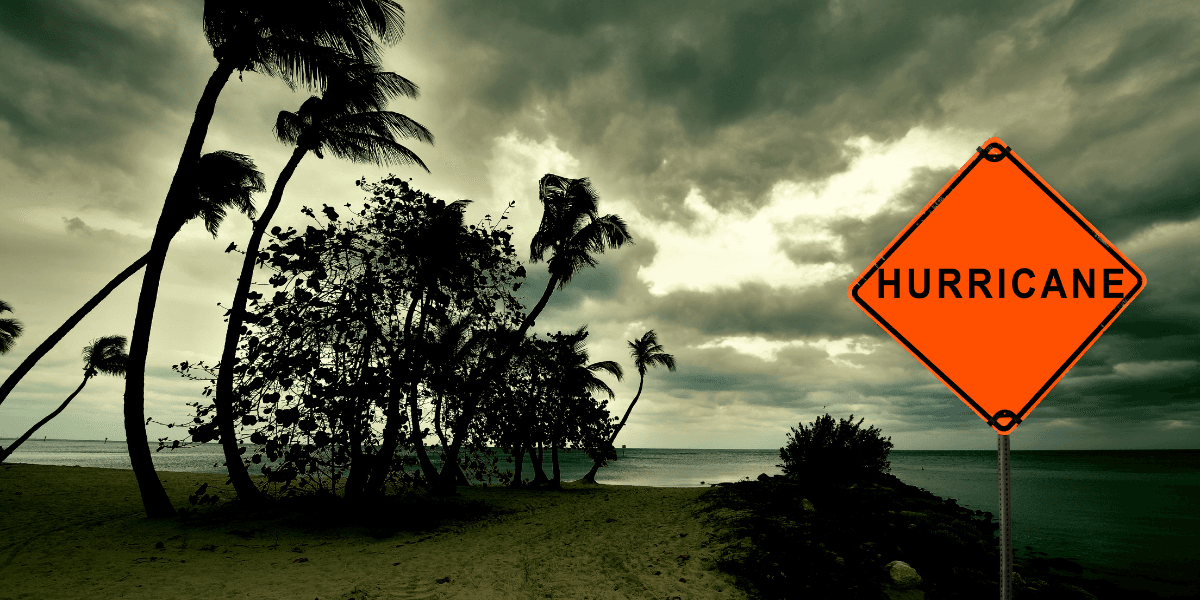
The Great Miami Hurricane centennial shows how a deadly 1926 disaster transformed hurricane forecasting, warnings, and preparedness.
One hundred years ago, South Florida awoke to a catastrophe it had little time to prepare for. Before dawn on September 18, 1926, the Great Miami Hurricane struck the rapidly growing Miami area with devastating winds and storm surge. On September 18, 2026, the centennial of that disaster offered Americans an opportunity to examine not only one of the most destructive storms in Florida history, but also a century of progress in hurricane forecasting and public safety.
The Great Miami Hurricane Arrived With Little Warning
The Great Miami Hurricane developed east of the Leeward Islands and traveled northwest across the tropical Atlantic. Miami's Weather Bureau first learned about the system through ship reports on September 11, 1926. A storm warning for Florida's east coast was issued at noon on September 17, followed by a hurricane warning at about 11 p.m. That left residents with less than six hours to prepare before the hurricane reached South Florida.
The timing made the situation particularly dangerous. Many residents were asleep when the warning was issued, and South Florida's growing population included people with little experience of hurricanes. In the early morning of September 18, the Category 4 hurricane made landfall near what is now Palmetto Bay, about 10 miles south of downtown Miami. Hurricane force winds stretched across a large portion of the region, while the strongest winds were estimated to have exceeded 145 mph.
Another dangerous problem emerged when the hurricane's eye moved across parts of the Miami area. The temporary calm led some residents to believe the storm had ended. People left shelter and entered the streets before dangerous winds returned from the opposite direction. The tragedy became an enduring example of why understanding the structure of a hurricane is critical to public safety.
Destruction That Reshaped South Florida
The hurricane produced severe storm surge and widespread destruction. Water moved inland in some locations, flooding buildings and carrying boats and other structures away from the shoreline. Historical records indicate that about 4,700 homes were destroyed in South Florida and approximately 25,000 people were left without shelter. Red Cross records reported 372 deaths and more than 6,000 injuries.
The economic consequences were also significant. Miami and surrounding communities were experiencing extraordinary growth during Florida's land boom. The hurricane destroyed homes, businesses, infrastructure, and property at a moment when the region was expanding rapidly.
The disaster also contributed to economic pressures already confronting Florida's real estate market. The state's property boom was weakening, and the destruction added another major challenge for residents, businesses, and investors years before the Great Depression affected the nation.
After crossing Florida, the hurricane entered the Gulf of Mexico and eventually made another United States landfall near the Alabama coast on September 20. Its effects therefore extended beyond Miami and South Florida, reinforcing its place among the most consequential American hurricanes of the early twentieth century.
A Century Of Hurricane Science Changed The Warning Timeline
The centennial carries particular significance because the technology available to meteorologists has changed dramatically. In 1926, forecasters depended heavily on surface observations and reports from ships. There were no weather satellites providing continuous views of tropical systems far out at sea.
Today, scientists combine satellites, aircraft observations, ocean measurements, computer models, radar, and other data to monitor hurricanes. Forecasters can track developing storms and continually update information as conditions change. Public warnings can also reach millions of people through television, radio, mobile devices, websites, emergency alerts, and social media.
These improvements have transformed the amount of information available before a hurricane arrives. Residents can often follow a developing threat for days rather than learning about an approaching hurricane only hours before landfall.
Yet improved forecasting does not eliminate hurricane risk. The Miami metropolitan area has grown enormously since 1926, placing far more people and property in areas vulnerable to tropical weather. Southeast Florida has also gone decades without the direct landfall of a major hurricane, following Hurricane Andrew in 1992. As a result, many current residents have never personally experienced a major hurricane landfall in the region.
Why The Great Miami Hurricane Centennial Still Matters
The central lesson of the Great Miami Hurricane centennial is that better science works best when people understand warnings and know how to respond. A century ago, Miami residents received only hours of notice and had limited information about how hurricanes behave. Modern forecasting offers considerably more information and preparation time, but individuals and communities still play an important role in reducing risk.
Storm surge remains particularly important to understand because hurricane danger extends beyond wind speed. Flooding, power failures, damaged roads, disrupted communications, and prolonged recovery can affect communities well after a storm has passed. Knowing evacuation routes, following official weather information, and preparing essential supplies before a threat becomes immediate can help households respond more effectively.
The events of September 18, 1926, also illustrate the importance of maintaining public weather infrastructure. Satellites, forecasting models, aircraft observations, radar systems, emergency communications, and trained meteorologists form a network designed to give communities more time to make informed decisions.
One hundred years after the Great Miami Hurricane, the contrast between 1926 and 2026 is striking. The United States has gained powerful forecasting tools and far more sophisticated warning systems. At the same time, growing coastal populations mean that major hurricanes continue to pose serious risks.
Remembering the Great Miami Hurricane is therefore about more than looking back at a historic disaster. Its centennial offers a practical reminder that scientific progress, clear communication, and individual preparedness must work together. The technology has changed dramatically in a century, but the most important objective remains the same: giving people reliable information and enough time to protect themselves when dangerous weather approaches.

Democrat Digest Contributor
This article features partner, contributor, or branded content from a third party. Members of the Democrat Digest editorial staff were not involved in the creation of this content. All views and opinions are those of the contributor alone.
You May Also Like

Meta’s Facebook And Instagram Outage Disrupts Thousands Of Users Across The United States
Great Miami Hurricane Centennial Highlights A Century Of Progress In Storm Forecasting
NOAA Report Shows Record U.S. Summer Heat Deepening Drought And Wildfire Risks

Record-Breaking U.S. Summer Highlights Growing Challenge of Extreme Heat

Education Equity Takes Center Stage at Chicago Civil Rights Forum
