
Historic Southwest Flooding Devastates Communities As Extreme Rainfall Raises New Climate Concerns
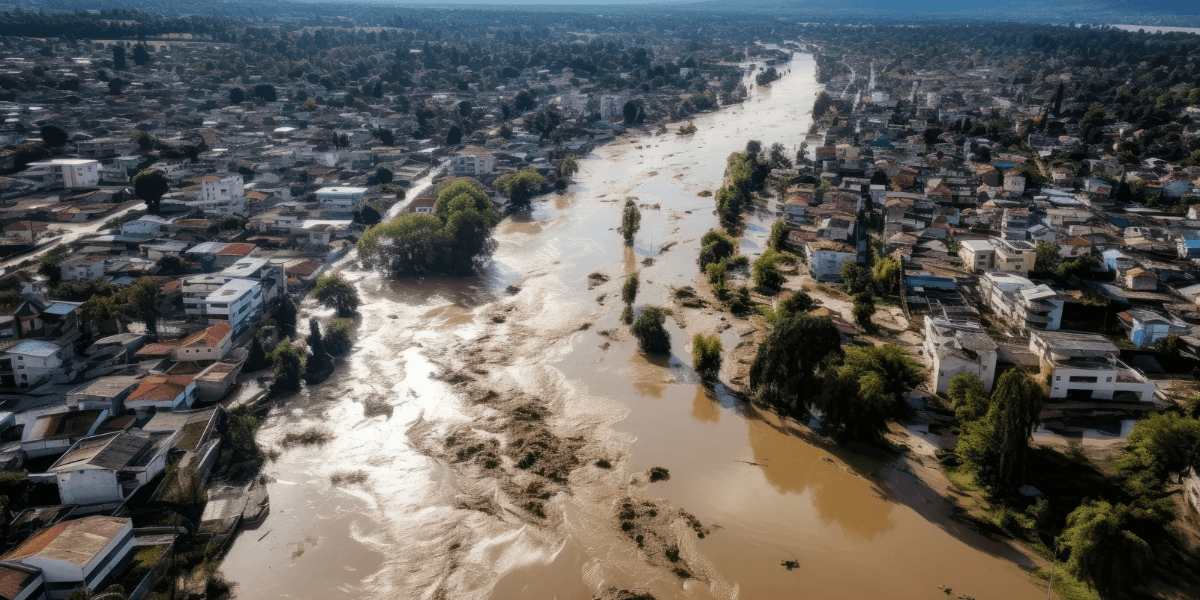
Record rainfall and destructive flooding hit the American Southwest, forcing evacuations and raising concerns about future extreme weather.
Communities across the American Southwest faced a growing disaster on Monday, November 2, 2026, as historic rainfall sent rivers overflowing, damaged homes, and forced residents to evacuate. From Arizona to Colorado, powerful storms transformed normally dry landscapes into dangerous flood zones. Although rainfall began easing in some areas, rising rivers and damaged infrastructure continued to threaten communities. The flooding highlighted the region's vulnerability to extreme weather and renewed questions about disaster preparedness, public infrastructure, and the changing climate.
Historic Southwest Flooding Leaves Widespread Damage
More than 20 trillion gallons of rain fell across the Four Corners states and Nevada over a two week period. The extraordinary rainfall overwhelmed waterways, flooded neighborhoods, damaged bridges, and left some residents stranded.
In Flagstaff, Arizona, authorities confirmed one death, while another death was suspected to be connected to the severe weather. Emergency responders conducted dozens of swift water and helicopter rescues across affected areas. Some residents were forced to leave their homes as floodwaters moved through communities with little warning.
The flooding also affected Colorado, New Mexico, and Utah. In Pagosa Springs, Colorado, the San Juan River reached 16.81 feet, flooding parts of downtown. Although the river remained below its historic 1911 record, the damage demonstrated how quickly severe rainfall can disrupt communities built near waterways.
In Arizona, Oak Creek reached approximately 19.84 feet, inundating an estimated 150 to 200 homes near Rimrock and Lake Montezuma. Roads became impassable, and flooding complicated access to some remote communities.
Emergency Declarations And Recovery Challenges
The scale of the disaster prompted action from state authorities. Arizona's governor declared a statewide emergency, while Colorado and New Mexico sought federal disaster assistance.
These measures reflected the extensive damage facing local governments and emergency responders. Beyond immediate rescue operations, communities faced the difficult task of assessing damaged roads, restoring access to neighborhoods, and determining whether affected buildings were safe.
Cleanup and repairs could take weeks. Even where skies cleared, weather officials warned that isolated rainfall and continued river rises could prolong dangerous conditions.
For residents, the consequences extended beyond damaged property. Flooding disrupted transportation, complicated daily routines, and created uncertainty about when normal activities could resume. The disaster also raised concerns about the ability of smaller communities to recover from severe weather events that place sudden demands on local resources.
How El Niño Is Influencing Extreme Weather
Scientists identified an unusually powerful El Niño as an important factor behind the extreme rainfall. El Niño occurs when waters in the tropical Pacific Ocean become warmer than normal, affecting atmospheric circulation and weather patterns.
Warmer ocean waters can increase atmospheric moisture, while changing wind patterns can help direct storm systems toward the Southwest. Together, these conditions can contribute to unusually heavy precipitation.
However, researchers caution against attributing any individual storm entirely to El Niño. Human caused climate change has also raised ocean temperatures, creating conditions that can increase the intensity of heavy rainfall.
Scientists expected the current El Niño to peak in December, potentially extending elevated storm risks into winter and spring.
Why The Flooding Matters Beyond The Southwest
The disaster illustrates a broader challenge for communities across the United States. Infrastructure designed around historical weather patterns can face serious pressure when extreme conditions occur.
The flooding also exposed the complicated relationship between rainfall and water security. Although recent storms increased water levels in Lake Powell, the reservoir remained substantially below its level a year earlier.
Lake Powell was approximately 23.7 percent full on October 31, compared with 20.2 percent in mid September. Despite the increase, its water level remained about 13 feet below the previous year's level.
This contrast demonstrates why a single period of heavy rainfall cannot resolve longstanding regional water shortages. Extreme precipitation can provide temporary water supplies while simultaneously causing substantial damage.
The situation also highlights the importance of maintaining drainage systems, protecting vulnerable neighborhoods, and improving communication between emergency agencies and residents. Communities with reliable warning systems and clear evacuation procedures may be better prepared when dangerous conditions develop.
What Residents Should Know As Recovery Continues
The immediate priority remains public safety. Residents in affected areas should monitor local weather forecasts, avoid flooded roads, and follow instructions from emergency management officials.
Floodwaters can conceal damaged pavement, debris, and dangerous currents. Even shallow moving water can create hazardous conditions for pedestrians and drivers. Residents returning to affected properties should remain alert to structural damage and potential electrical hazards.
For updated warnings and forecasts, the National Weather Service provides official weather information. Residents can also review preparedness guidance through Ready.gov's flood safety resources.
The November 2 flooding offers an important lesson for communities nationwide. Severe weather can overwhelm transportation networks, disrupt essential services, and leave families facing prolonged recovery.
As the Southwest begins assessing the damage, the central challenge extends beyond rebuilding what was lost. Strengthening flood preparedness, maintaining reliable warning systems, and understanding changing weather risks will remain essential to protecting communities from future disasters.

Democrat Digest Contributor
This article features partner, contributor, or branded content from a third party. Members of the Democrat Digest editorial staff were not involved in the creation of this content. All views and opinions are those of the contributor alone.
You May Also Like

Dr. LaVerne Hanes Collins and the Overlooked Story

NASA Advances Artemis Moon Mission Plans As America Prepares For A New Era Of Space Exploration

Gulf Coast Faces Growing Storm Threat As Forecasters Track Potential Hurricane Development

Major Website Security Flaws Expose The Need For Stronger Digital Protection Across America

University Of North Carolina Reaches Federal Agreement Addressing Campus Civil Rights And Funding