Indigenous Peoples’ Day 2026: California Leads National Recognition As America Reflects On Its History
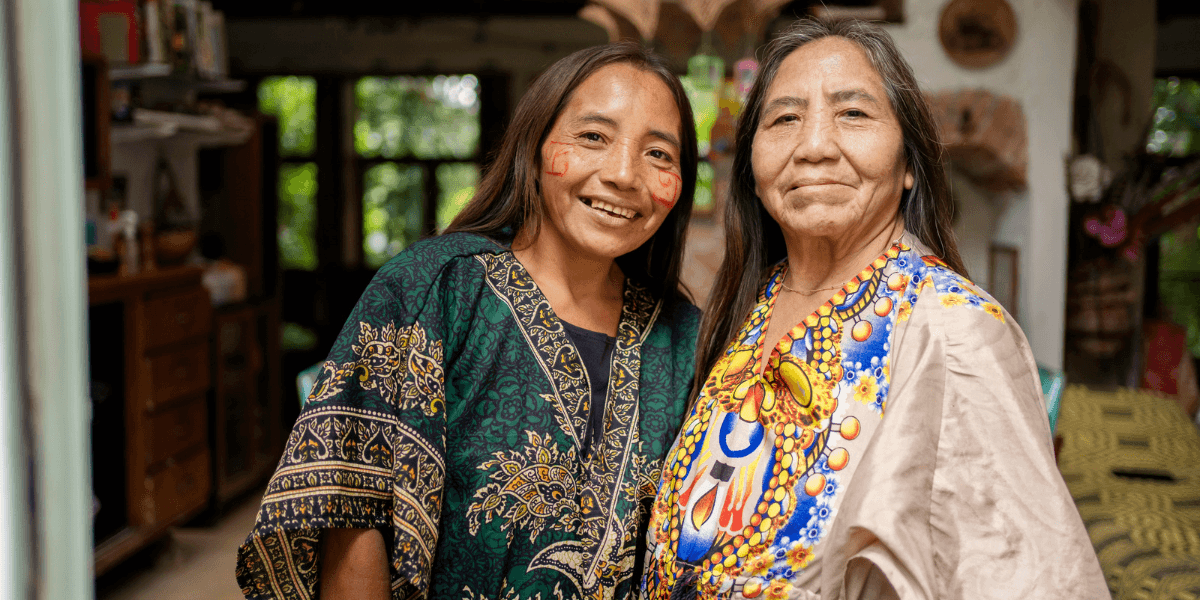
California marks Indigenous Peoples’ Day on October 12, highlighting Native American heritage, cultural recognition, and historical reflection.
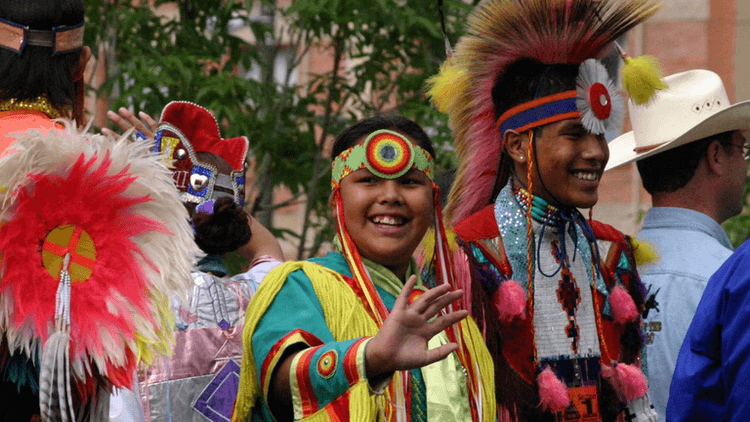
On Monday, October 12, 2026, Americans observed a national holiday that carries different meanings across the country. While the federal government officially recognized Columbus Day, California marked Indigenous Peoples’ Day with a proclamation honoring Native communities, their cultures, and their contributions to American society. The occasion highlighted a continuing national conversation about historical recognition, cultural identity, and the importance of understanding the experiences of the people who inhabited North America long before European settlement.
California Recognizes Indigenous Peoples’ Day In 2026
California Governor Gavin Newsom issued an official proclamation on October 12, recognizing Indigenous Peoples’ Day for the eighth consecutive year. The announcement emphasized the importance of Native communities and their continuing role in shaping the state's cultural and environmental identity.
The proclamation celebrated Indigenous languages, traditions, and relationships with ancestral lands. It also recognized Indigenous people who have moved to California from other regions and countries. California's statement connected cultural recognition with environmental stewardship, including the restoration of traditional ecological knowledge and cooperation with Native communities in managing natural resources.
Why October 12 Holds Different Meanings Across America
October 12, 2026, was also Columbus Day, a federal holiday commemorating Christopher Columbus and his 1492 Atlantic voyage. The United States has observed Columbus Day in various forms for generations. The holiday also became an important celebration of Italian American heritage, particularly during periods when Italian immigrants and their descendants faced discrimination.
However, Indigenous Peoples’ Day offers another perspective on American history. It recognizes Native nations whose societies, governments, languages, and cultural traditions existed long before European arrival. For many Indigenous communities, the observance provides an opportunity to celebrate resilience while educating the public about colonization, displacement, and cultural survival.
Communities across the country have adopted Indigenous Peoples’ Day through ceremonies, educational programs, cultural celebrations, and public gatherings.
Federal And State Observances Remain Different
Although Indigenous Peoples’ Day has gained recognition in numerous communities, it has not replaced Columbus Day as a federal holiday. The official federal holiday calendar identifies Monday, October 12, as Columbus Day.
President Donald Trump also issued a proclamation recognizing Columbus Day in 2026, emphasizing the historical significance of Columbus and his voyage.
Meanwhile, states and local governments retain their own approaches to recognizing the date. Washington, D.C., lists Indigenous Peoples’ Day as an official public holiday, while California commemorated the occasion through its governor's proclamation.
These differences illustrate how national traditions and local priorities can coexist within the American system of government.
Indigenous Heritage And Environmental Stewardship
One notable feature of California's 2026 proclamation was its focus on the relationship between Indigenous communities and the natural environment.
The announcement highlighted traditional ecological knowledge, land restoration, and efforts to involve Native communities in managing natural resources. It also referenced the loss of ancestral cottonwood trees with deep cultural significance for Indigenous peoples in the Southwest and Mexico.
These references demonstrate that Indigenous Peoples’ Day concerns more than historical remembrance. It also creates opportunities to examine present challenges involving cultural preservation, environmental protection, and community participation.
For readers interested in climate and environmental issues, the proclamation offers an example of how cultural heritage can inform discussions about responsible land management.
What The October 12 Observance Means For Americans
The 2026 observance carried several practical implications for residents, educators, and communities.
Federal employees generally received the designated Columbus Day holiday, while some state and local governments observed Indigenous Peoples’ Day under their own calendars.
The U.S. Postal Service observed Columbus Day on October 12, while certain federal facilities and research services followed holiday closure schedules.
Beyond government operations, the occasion encouraged Americans to learn more about Native history through museums, tribal cultural institutions, historical records, and educational resources.
Understanding the distinction between federal recognition and state observances can also help residents interpret public holiday schedules and community events accurately.
A Broader Conversation About American Identity
The significance of Indigenous Peoples’ Day extends beyond one date on the calendar.
For Native communities, recognition can provide greater visibility for cultural traditions, historical experiences, and contemporary achievements. For other Americans, the observance offers an opportunity to explore a more complete account of the nation's past.
California's October 12 proclamation illustrates how state governments can acknowledge Indigenous heritage while the federal government maintains its established holiday designation.
The two observances also demonstrate that public remembrance can reflect different historical experiences.
Ultimately, the events of October 12, 2026, underscore an enduring question: How can Americans recognize their diverse histories while developing a deeper understanding of the communities that shaped the country?
Understanding The History Behind Indigenous Peoples’ Day
Indigenous Peoples’ Day provides an opportunity to learn about Native American history, cultural preservation, and the contributions of Indigenous communities to modern society.
Readers can deepen their understanding by exploring Native American museums, attending community cultural programs, and learning about the histories of tribal nations in their regions.
As recognition of Indigenous heritage continues to evolve, greater historical awareness can help Americans appreciate the nation's diverse cultural foundations and the communities that continue to shape its future.

Democrat Digest Contributor
This article features partner, contributor, or branded content from a third party. Members of the Democrat Digest editorial staff were not involved in the creation of this content. All views and opinions are those of the contributor alone.
You May Also Like
Dr. LaVerne Hanes Collins and the Overlooked Story

Gulf Coast Faces Growing Storm Threat As Forecasters Track Potential Hurricane Development

Massachusetts Announces 2026 STEM Week To Expand Science And Technology Learning Opportunities
New Climate Report Warns Of Rising Global Risks As Scientists Highlight Urgent Environmental Challenges

“Could I Make Laws One Day?”: Amanda Matchett and the Power of Seeing Yourself in Leadership