Indigenous Peoples Day Celebrations Across America Highlight Native Culture, History, And Community
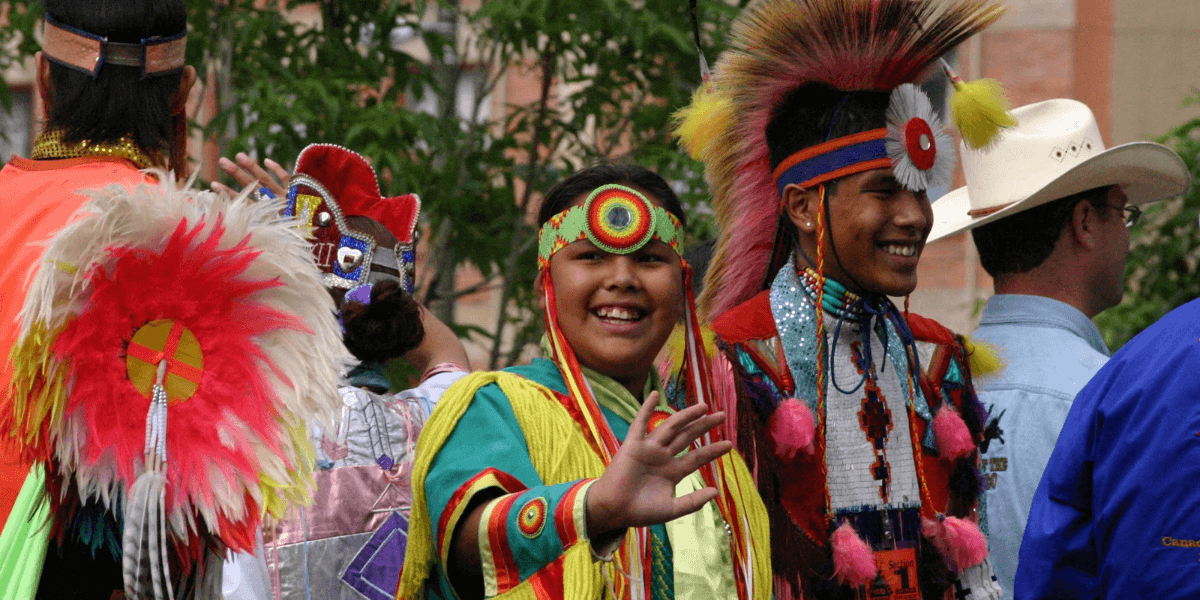
Communities across the United States celebrate Indigenous heritage through cultural events, traditional performances, and education.
UNITED STATES, October 10, 2026. Communities across America began Indigenous Peoples Day weekend on Saturday with cultural celebrations, traditional performances, and educational activities honoring Native American history and heritage. From New Mexico to Massachusetts, organizers brought together Indigenous artists, dancers, educators, and community members to recognize the enduring contributions of Native peoples. The gatherings marked an important opportunity to celebrate living traditions while encouraging greater public understanding of the cultures and histories that have shaped the United States for generations.
Indigenous Peoples Day Celebrations Bring Communities Together
Indigenous Peoples Day weekend began with events in several states on October 10, ahead of the official observance on Monday, October 12.
In Santa Fe, New Mexico, the city organized a weekend celebration featuring traditional and contemporary Native dance, music, poetry, and storytelling. Saturday's program at the historic Santa Fe Plaza included performances by Danza Azteca de Anahuac, the Lighting Boy Hoop Dancers, and representatives of the Poeh Cultural Center.
The celebration highlighted New Mexico's deep connections with Indigenous communities, including the state's 23 federally recognized Tribes, Nations, and Pueblos.
Organizers emphasized the importance of honoring Indigenous heritage while creating opportunities for residents and visitors to experience Native artistic traditions.
The weekend program also reflected the continuing presence of Indigenous communities in American cultural life.
Massachusetts Celebrates Native American Heritage Through Education
In Newburyport, Massachusetts, organizers scheduled the city's sixth annual Indigenous Peoples Day observance at Waterfront Park on October 10.
The free community event featured traditional and contemporary Indigenous cultural arts, educational presentations, and activities intended to encourage public participation.
Opening ceremonies included Larry Spotted Crow Mann, a member of the Hassanamisco Nipmuc Band and executive director of the Ohketeau Cultural Center.
The gathering was designed to recognize regional Indigenous communities while promoting greater awareness of Native history and cultural knowledge.
Elsewhere in Massachusetts, Arlington hosted a community celebration featuring the Red Hawk Singers and Dancers.
The performance introduced audiences to Wampanoag cultural teachings through traditional song, dance, and storytelling.
These events demonstrated how local cultural institutions can contribute to public education by providing opportunities for communities to learn directly from Indigenous performers and educators.
Indigenous Culture Takes Center Stage In Colorado
Boulder, Colorado, also scheduled an Indigenous Peoples Day First Nations Celebration for October 10.
The event brought attention to traditional Indigenous dance, Native cuisine, storytelling, and organizations operated by Indigenous community members.
Its educational program included discussions of Indigenous history, cultural traditions, and Traditional Ecological Knowledge.
Traditional Ecological Knowledge refers to knowledge developed and maintained by Indigenous communities through long relationships with their environments.
Such knowledge can include observations about plants, animals, landscapes, seasonal changes, and the responsible use of natural resources.
The Boulder gathering reflected the importance of recognizing Indigenous knowledge as part of contemporary American cultural and educational discussions.
It also created opportunities for residents to connect with Indigenous organizations and learn about community initiatives.
Why Indigenous Peoples Day Holds National Significance
Indigenous Peoples Day recognizes the histories, cultures, and continuing contributions of Native peoples throughout the Americas.
The observance is held on the second Monday of October in various states and municipalities.
In 2026, that date falls on October 12.
The holiday encourages Americans to examine national history through a broader perspective that includes the experiences and contributions of Indigenous communities.
While observances vary by location, many emphasize cultural preservation, historical education, and recognition of Native identity.
Public celebrations also provide opportunities for Indigenous artists, educators, and community leaders to share their knowledge with wider audiences.
These efforts are particularly significant because Native American history is often presented primarily through events from the distant past.
Contemporary Indigenous celebrations demonstrate that Native cultures remain active, diverse, and continually evolving.
Cultural Preservation And Education Remain Central Themes
Across the October 10 events, cultural education emerged as a common priority.
Traditional dance, storytelling, music, and visual arts provide meaningful ways for communities to share knowledge across generations.
They also offer opportunities for visitors to encounter cultural practices in settings shaped by Indigenous participants.
However, Indigenous communities are not culturally identical. The United States is home to hundreds of federally recognized tribes, each with distinct histories, traditions, and community identities.
Recognizing those differences is essential to developing a more complete understanding of Native American heritage.
Educational institutions, museums, and community organizations can support this understanding by presenting accurate historical information and creating opportunities for Indigenous voices to guide cultural programming.
The October celebrations offered examples of how such efforts can take place in accessible public spaces.
What Americans Can Learn From The October 10 Celebrations
The Indigenous Peoples Day weekend events demonstrated the importance of cultural recognition, community participation, and historical education.
For families, the celebrations offered opportunities to experience Native American traditions through performances and educational activities.
For students and educators, they provided additional ways to explore Indigenous history beyond conventional classroom materials.
For the broader public, the gatherings highlighted the continuing contributions of Native communities to American society.
The celebrations also showed that cultural understanding can grow through direct engagement with local organizations, artists, and educators.
As Indigenous Peoples Day approaches on October 12, communities across the country have an opportunity to continue learning about the histories and living traditions of Native peoples.
The events beginning October 10 serve as a reminder that recognizing Indigenous heritage involves more than remembering the past. It also means acknowledging the communities, cultures, and traditions that remain an essential part of America's present.

Democrat Digest Contributor
This article features partner, contributor, or branded content from a third party. Members of the Democrat Digest editorial staff were not involved in the creation of this content. All views and opinions are those of the contributor alone.
You May Also Like

Gulf Coast Faces Growing Storm Threat As Forecasters Track Potential Hurricane Development
“Could I Make Laws One Day?”: Amanda Matchett and the Power of Seeing Yourself in Leadership
U.S. Announces More Than $6 Billion In Science Initiatives To Expand Research And Education

NASA Astronaut Christina Koch Brings Artemis Moon Mission Into The National Spotlight At Philadelphia NFL Game
National Day Of Remembrance Brings Native Boarding School History Into Focus Across The United States