
NASA And Boeing Set A New Course For Starliner With Uncrewed Flight And 2028 Astronaut Return
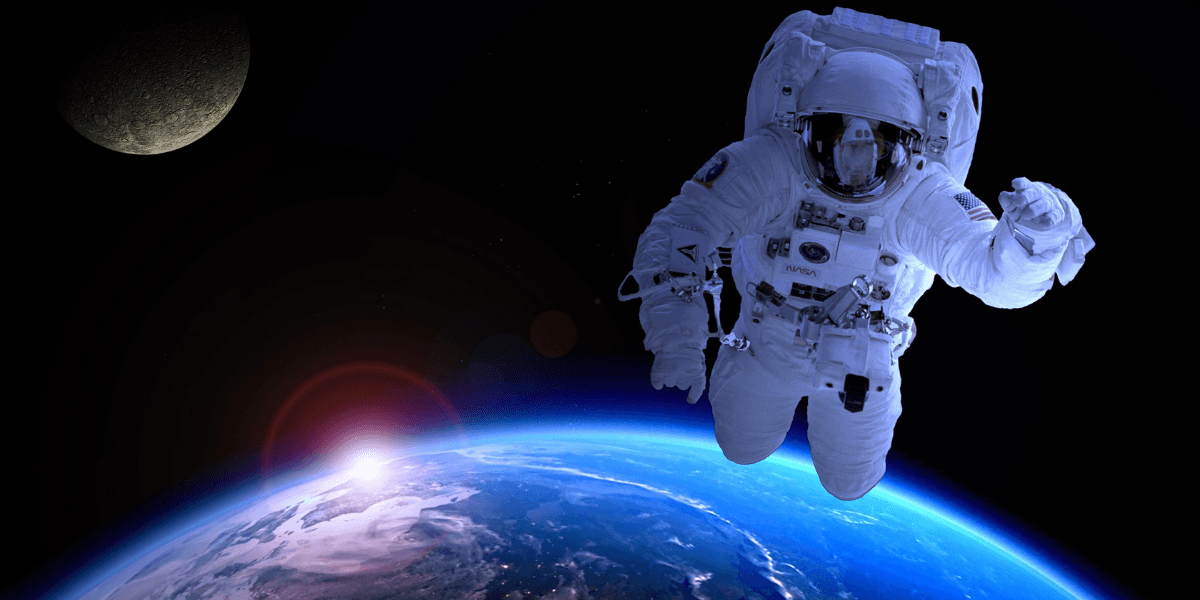
NASA and Boeing plan an uncrewed Starliner flight before a possible 2028 astronaut mission, putting spacecraft fixes to a crucial test.
CAPE CANAVERAL, Fla. On September 28, NASA and Boeing laid out a new path for the Starliner spacecraft, more than two years after its first crewed test exposed propulsion problems serious enough for NASA to bring the capsule home without its astronauts. The plan gives Starliner another opportunity to demonstrate that its systems can safely support human spaceflight, but astronauts are not expected to board the spacecraft again until 2028.
The next major test could arrive relatively soon. NASA said the uncrewed Starliner 1 mission has the potential to launch in December 2026 or January 2027 and travel to the International Space Station. Rather than immediately placing astronauts aboard, NASA will use the flight to evaluate changes made to the spacecraft and collect performance data needed for certification. The agency's current plan calls for astronauts to return aboard Starliner 2 in 2028.
Why Starliner Is Returning Without A Crew
The cautious approach follows the difficulties encountered during Starliner's Crew Flight Test in 2024. NASA astronauts Butch Wilmore and Suni Williams launched aboard the spacecraft on June 5, 2024, and reached the International Space Station the following day. During the journey, engineers identified helium leaks, while several reaction control system thrusters failed to perform as expected. NASA ultimately determined that the uncertainty surrounding the propulsion system created too much risk to bring the astronauts home aboard Starliner.
Starliner eventually returned to Earth without its crew. Wilmore and Williams remained aboard the space station and later returned aboard a SpaceX Dragon spacecraft on March 18, 2025. Their extended mission transformed what had been planned as a relatively short Starliner test into a lengthy examination of spacecraft reliability, engineering decisions, and NASA's certification process.
NASA subsequently formed a Program Investigation Team to examine what happened. Its investigation produced 61 recommendations intended to strengthen future human spaceflight operations. NASA said investigators identified problems involving Starliner's service module reaction control thrusters, including operation outside their engineering qualification. Testing determined that thruster performance was affected by a combination of the thermal environment and elements of the spacecraft's design.
NASA And Boeing Are Changing The Spacecraft
Boeing has since made thermal modifications to Starliner's service module, which NASA plans to evaluate during Starliner 1. NASA and Boeing also agreed to introduce another modification to the thruster valve design before future crewed missions. Following the uncrewed flight, Boeing is expected to make additional changes, including installing new crew module thrusters and batteries and making minor parachute system modifications intended to improve performance and reliability.
The September 28 announcement also extends Starliner's potential role in NASA's broader human spaceflight program. NASA said it intends to exercise options for a fifth and sixth Starliner flight to the International Space Station. The agency will also work with Boeing and United Launch Alliance to certify the Vulcan rocket for crew transportation after the final Starliner flight using the Atlas V rocket.
That effort matters because NASA has long sought more than one American system capable of transporting astronauts to low Earth orbit. Having multiple transportation options can provide operational flexibility when one spacecraft or launch system is unavailable. NASA describes that capability as important not only for continued access to the International Space Station but also for the eventual transition toward commercial space stations.
What The Next Starliner Flight Will Show
For the public, the central takeaway is that NASA's September 28 announcement is not a declaration that Starliner's technical problems have been completely resolved. Instead, it establishes a test driven process for determining whether the spacecraft can safely return to regular astronaut transportation.
The uncrewed Starliner 1 mission will therefore carry unusual importance. NASA plans to use it to evaluate the spacecraft's revised thermal environment, collect propulsion performance data, support system qualification, and identify remaining risks before astronauts are placed aboard again. Those results will help determine the work required before the planned Starliner 2 crewed mission in 2028.
As Starliner moves toward its next flight, the focus will remain on testing, verification, and certification. The outcome could help determine how large a role the spacecraft ultimately plays in America's human spaceflight program and whether NASA gains another operational option for carrying astronauts to orbit.

Democrat Digest Contributor
This article features partner, contributor, or branded content from a third party. Members of the Democrat Digest editorial staff were not involved in the creation of this content. All views and opinions are those of the contributor alone.
You May Also Like
The Northeast Nor’easter Shows Why Weather Preparedness Must Become Part Of Everyday Life

America’s Flood Mapping Expansion Shows How Public Data Can Strengthen Community Resilience
NASA’s Fire Amoeba Discovery Is A Reminder That Science Still Has The Power To Surprise Us

Meta’s Facebook And Instagram Outage Disrupts Thousands Of Users Across The United States

Great Miami Hurricane Centennial Highlights A Century Of Progress In Storm Forecasting