
July 2026 Sets New U.S. Heat Record, Marking the Hottest Month in More Than a Century
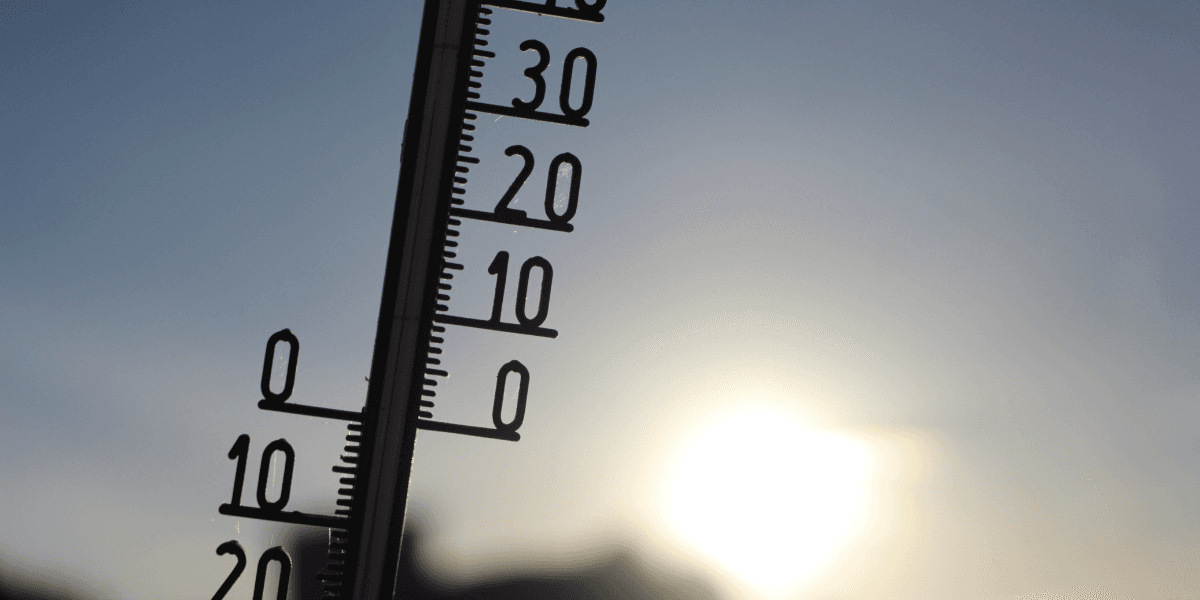
July 2026 has been recorded as the hottest month ever measured across the contiguous United States, marking a significant climate milestone in the nation’s modern weather record. The record, announced by the National Oceanic and Atmospheric Administration (NOAA) on August 11, highlights the extent of the extreme heat experienced across the country during the middle of the summer.
According to NOAA’s latest climate data, the average temperature across the Lower 48 states reached approximately 76.89 degrees Fahrenheit, or 24.94 degrees Celsius, in July. The figure surpassed the previous record set in July 1936, during the Dust Bowl era, by roughly 0.13 degrees Fahrenheit.
NOAA’s national climate records date back to 1895, providing more than 130 years of historical observations for comparison. The new July record therefore represents an unusually warm month when measured against a long history of temperatures recorded across the United States.
The heat was not limited to a small portion of the country. All 48 contiguous states recorded July temperatures at least one degree Fahrenheit above their respective 20th-century averages. Some of the most pronounced heat occurred across portions of the Mountain West, Southwest, Northern Plains and Southeast.
Another particularly notable feature of the month was the persistence of warm temperatures overnight. Average nighttime temperatures across the contiguous United States also reached a record level for July. Nighttime heat is important because cooler conditions after sunset normally give people, buildings and infrastructure an opportunity to recover from daytime temperatures.
When overnight temperatures remain unusually high, the effects of daytime heat can accumulate. People without reliable access to cooling may have greater difficulty staying comfortable, while buildings can retain heat for longer periods. Warm nights can also increase electricity demand as households and businesses continue using air conditioning after sunset.
The July record comes after a summer that has already brought periods of significant heat to different parts of the country. While weather conditions can vary from one region to another, the national temperature average shows that unusually warm conditions were widespread during the month.
The comparison with July 1936 is particularly noteworthy. That year remains closely associated with the Dust Bowl, one of the most severe environmental and agricultural crises in American history. Extreme heat and drought affected large areas of the central United States during that period. Surpassing the national temperature record established during that era demonstrates the exceptional nature of July 2026.
Climate scientists have increasingly linked the long-term rise in global temperatures to human activities that have increased the concentration of heat-trapping greenhouse gases in the atmosphere. A warmer baseline climate can make extreme heat events more likely and can increase the severity of some heat episodes.
However, a single monthly record should be viewed as one measurement within a much larger climate record. Weather naturally fluctuates from year to year, and individual regions can experience conditions that differ substantially from the national average. The July 2026 record does not mean every community experienced its hottest month, but it does demonstrate that unusually high temperatures were widespread across the contiguous United States.
The record also carries practical implications for communities. Extended periods of extreme heat can place additional pressure on electricity systems because of increased demand for cooling. Agriculture and water resources can also be affected when high temperatures occur alongside dry conditions. Transportation infrastructure and outdoor work environments may face additional challenges during prolonged heat.
For individuals, the record serves as a reminder of the importance of preparing for extreme temperatures. During periods of excessive heat, residents should pay attention to local weather warnings, drink sufficient fluids, reduce strenuous outdoor activity during the hottest parts of the day and check on people who may be particularly vulnerable to high temperatures.
Local authorities and communities can also play an important role by providing access to cooling centers, communicating heat warnings and ensuring that residents know where to find assistance during dangerous weather conditions. Public awareness becomes particularly important when high temperatures continue for several days and nighttime cooling remains limited.
Although the July record does not predict what temperatures will look like during the rest of 2026, it adds an important new benchmark to the nation’s climate history. More than a century of temperature observations now shows July 2026 at the top of the U.S. record.
The milestone offers a clear reminder that extreme heat is not simply a short-term weather concern. Continued monitoring of temperatures, preparation for heat events and access to reliable climate information will remain important as communities across the United States respond to changing weather conditions.

Democrat Digest Contributor
This article features partner, contributor, or branded content from a third party. Members of the Democrat Digest editorial staff were not involved in the creation of this content. All views and opinions are those of the contributor alone.
You May Also Like

Meta’s Facebook And Instagram Outage Disrupts Thousands Of Users Across The United States

Great Miami Hurricane Centennial Highlights A Century Of Progress In Storm Forecasting

Great Miami Hurricane Centennial Highlights A Century Of Progress In Storm Forecasting

NOAA Report Shows Record U.S. Summer Heat Deepening Drought And Wildfire Risks

Record-Breaking U.S. Summer Highlights Growing Challenge of Extreme Heat