
NASA And NOAA Reveal Alarming 2026 Ozone Hole Findings
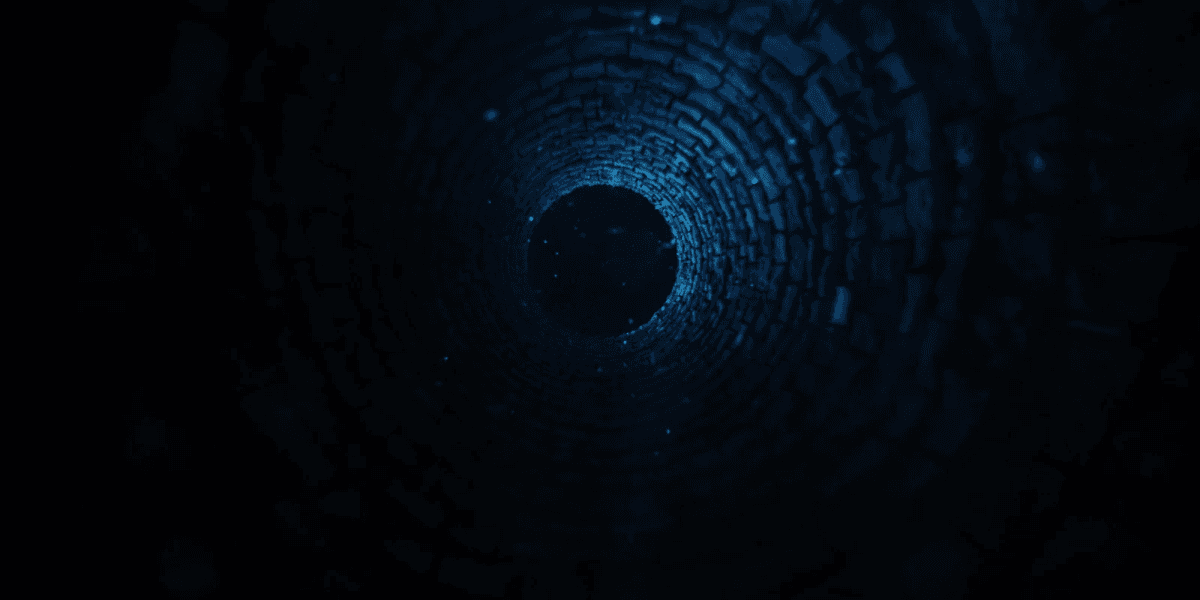
Federal scientists report one of the largest Antarctic ozone holes on record, while confirming continued progress toward recovery.
WASHINGTON - A troubling development in Earth's atmosphere has placed renewed attention on one of the world's most important environmental protections. Scientists from the National Aeronautics and Space Administration (NASA) and the National Oceanic and Atmospheric Administration (NOAA) announced Wednesday that the 2026 Antarctic ozone hole ranked as the seventh largest in 48 years of monitoring. Despite its extraordinary size, researchers emphasized that decades of international efforts to protect the ozone layer continue to produce measurable results. The findings highlight a complex environmental reality: Short term atmospheric conditions can cause serious setbacks even as long term recovery remains on course.
NASA And NOAA Document An Unusually Large Ozone Hole
According to federal measurements, the Antarctic ozone hole covered an average of approximately 9.6 million square miles between September 7 and October 13, 2026. That area exceeds twice the size of the United States. On September 18, the hole reached its maximum extent of 10.5 million square miles, approximately 90 percent of the largest ozone hole ever recorded in September 2000. These measurements demonstrate how dramatically atmospheric conditions can influence ozone depletion during a single season.
The ozone layer sits high in Earth's atmosphere and absorbs much of the sun's harmful ultraviolet radiation. Without this natural protection, living organisms would face greater exposure to radiation that can damage biological tissue and ecosystems. Unlike ozone near the ground, which contributes to air pollution, stratospheric ozone performs an essential protective function. Consequently, changes in its concentration remain a major concern for environmental scientists and public health researchers.
Extreme Atmospheric Conditions Explain The 2026 Increase
Scientists identified an unusually powerful polar vortex as a major factor behind this year's findings. The polar vortex is a circulation of cold air surrounding Antarctica. When it becomes especially strong, it creates conditions that encourage chemical reactions responsible for ozone destruction. NOAA researcher Amy Butler explained that weaker atmospheric disturbances during August and September allowed the vortex to remain unusually large, expanding the region where ozone depletion could occur.
However, researchers cautioned against interpreting the findings as evidence that previous environmental protections have failed. Although the ozone hole expanded considerably, its depletion was less severe than some historic episodes. Measurements taken above the South Pole reached a seasonal minimum of 105 Dobson units on October 17, compared with the record low of 92 Dobson units recorded in October 2006. These observations provide important context for understanding the difference between the geographical size of an ozone hole and the concentration of ozone remaining within it.
Decades Of Environmental Cooperation Continue To Show Results
The findings also reinforce the importance of the 1987 Montreal Protocol, an international agreement designed to phase out substances that damage the ozone layer. Chemicals once widely used in refrigeration, air conditioning, insulation, and other products contributed to substantial atmospheric ozone losses. Through coordinated restrictions and the adoption of alternative substances, participating countries have significantly reduced emissions of many destructive compounds.
NOAA scientists reported that chlorine concentrations in the Antarctic stratosphere associated with ozone depleting substances have declined by approximately one third from levels reached during the 1980s. NASA researcher Paul Newman also estimated that the 2026 ozone hole could have been between 1 million and 2 million square miles larger if atmospheric concentrations of destructive chemicals had remained near their peak around 2000. This comparison offers compelling evidence that environmental agreements can produce lasting benefits, even when natural atmospheric variability temporarily complicates progress.
Why The Ozone Findings Matter For Americans
Although the Antarctic ozone hole develops thousands of miles from the continental United States, the research carries broader significance for American environmental policy, scientific investment, and public awareness. Federal agencies maintain satellite networks, atmospheric observatories, and specialized instruments that help researchers identify changes before they become more serious. These monitoring systems also support international scientific cooperation and provide reliable information for evaluating environmental progress.
The announcement demonstrates why consistent scientific observation matters. Researchers cannot determine whether environmental protections are working by examining a single season. Instead, they must compare measurements across decades, account for changing weather patterns, and distinguish temporary fluctuations from persistent trends. NASA and NOAA expect the Antarctic ozone hole to recover by the 2070s as older destructive chemicals gradually disappear from the atmosphere. That projection remains dependent on continued progress and scientific monitoring.
What Americans Should Take Away From The Findings
The November 4 announcement presents both a warning and a reason for cautious optimism. The unusually large ozone hole illustrates the continuing vulnerability of Earth's protective atmosphere, while the long term evidence suggests that international environmental safeguards are working. For Americans, the central lesson extends beyond Antarctica: Environmental recovery requires reliable science, sustained observation, and policies whose effectiveness can be measured over time. Understanding these findings provides a clearer picture of how environmental protection efforts can deliver meaningful results across generations.

Democrat Digest Contributor
This article features partner, contributor, or branded content from a third party. Members of the Democrat Digest editorial staff were not involved in the creation of this content. All views and opinions are those of the contributor alone.
You May Also Like
Historic Southwest Flooding Devastates Communities As Extreme Rainfall Raises New Climate Concerns

Dr. LaVerne Hanes Collins and the Overlooked Story
NASA Advances Artemis Moon Mission Plans As America Prepares For A New Era Of Space Exploration

Gulf Coast Faces Growing Storm Threat As Forecasters Track Potential Hurricane Development

Major Website Security Flaws Expose The Need For Stronger Digital Protection Across America