
Perseid Meteor Shower Reaches Peak Over U.S. Skies
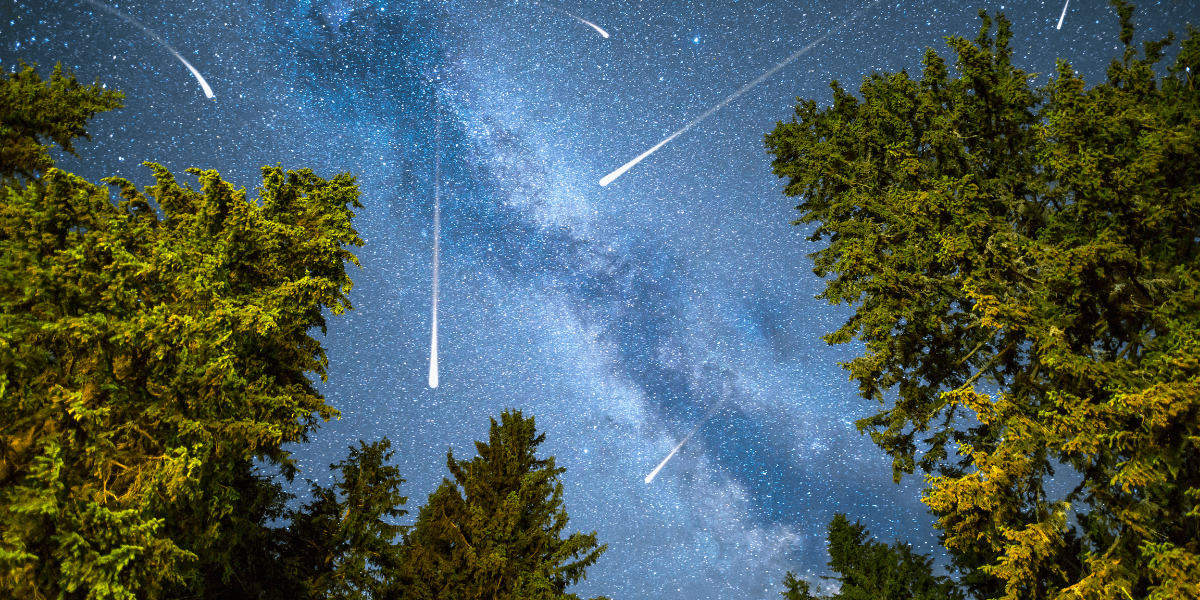
Skywatchers across the United States have a prime opportunity to observe one of the year’s most anticipated astronomical events as the Perseid meteor shower reaches its peak overnight from August 12 into the early hours of August 13. The annual meteor display is especially favorable this year because the peak occurs near a new moon, leaving the night sky largely free from bright moonlight that can obscure fainter meteors.
The Perseids are among the most reliable and active meteor showers visible from the Northern Hemisphere. NASA identifies August 12–13 as the peak night for the 2026 shower, which remains active through August 24. Under dark-sky conditions, NASA estimates that observers can see about 25 meteors per hour, while higher rates can occur under particularly favorable conditions.
The meteors are created when Earth passes through debris associated with Comet 109P/Swift-Tuttle. As small particles enter Earth’s atmosphere at extremely high speeds, they heat the surrounding air and produce the bright streaks commonly known as shooting stars. NASA lists the Perseids’ meteor velocity at approximately 37 miles per second, or 59 kilometers per second.
Why This Year’s Display Is Notable
The 2026 Perseid peak benefits from unusually dark conditions. The shower’s maximum occurs close to the August new moon, meaning moonlight is not expected to significantly interfere with observations. This gives observers a better chance of seeing fainter meteors that could otherwise be washed out by a bright lunar sky.
NASA’s August skywatching guidance identifies the Perseids as one of several major celestial highlights occurring during the month. The agency recommends watching from locations away from artificial lights and allowing the eyes to adjust to darkness before beginning an extended observation session.
The timing is also significant because the Perseid peak follows the August 12 total solar eclipse, making this week an unusually active period for skywatchers. Although the eclipse and meteor shower are separate astronomical phenomena, their close timing has made mid-August particularly notable for people interested in observing the night and daytime skies. NASA notes that the August 12 eclipse was visible along a path extending through parts of Greenland, Iceland, northern Russia, the Atlantic Ocean and Spain, with a small portion of Portugal also included.
Where and When to Watch
For people in the United States, the best viewing conditions generally occur during the late-night and predawn hours. The Perseids appear to radiate from the direction of the constellation Perseus, but viewers do not need to look directly at that constellation. Meteors can streak across many parts of the sky.
A dark location away from city lights provides the greatest advantage. Rural areas, parks and other locations with limited artificial lighting can reveal significantly more meteors than heavily illuminated urban areas.
Observers do not need specialized equipment. Telescopes and binoculars are generally unnecessary because meteors can appear across a broad area of the sky. Instead, viewers should find a comfortable position that provides a wide, unobstructed view overhead and remain patient.
NASA’s guidance emphasizes giving the eyes time to adapt to darkness. Bright phones and other screens can interfere with that adaptation, so minimizing screen use while observing can improve the experience.
Weather is another important consideration. Clouds can completely obscure the meteor shower, while haze and local light pollution can reduce visibility. Anyone planning to watch should therefore check local weather conditions and choose the clearest available location.
What Makes the Perseids Important
Beyond their visual appeal, meteor showers provide an accessible way for the public to observe a natural astronomical process. Unlike many celestial events that require specialized equipment, the Perseids can be viewed with the unaided eye.
The shower also offers researchers and amateur astronomers opportunities to study meteoroid activity and Earth’s interaction with material left behind by a comet. The Perseids are particularly well documented because they return every year and produce relatively frequent, bright meteors.
The source of the shower, Comet Swift-Tuttle, is a large periodic comet that travels through the solar system on a long orbit. Each year, Earth crosses the stream of particles associated with the comet, creating the Perseid display.
Key Takeaways for Skywatchers
The 2026 Perseid meteor shower reaches its peak around August 12–13, with viewing opportunities continuing through August 24. The near-new-moon conditions make this year’s peak particularly favorable for observers in areas with clear, dark skies.
The best approach is simple: move away from artificial lights when possible, choose a location with a broad view of the sky, allow your eyes to adjust to darkness and give the shower time to develop. There may be periods when no meteors are visible, followed by several appearing within a short period.
For communities across the United States, the Perseid peak offers an opportunity to experience a major astronomical event without expensive equipment or complicated preparation. With the shower remaining active for several more days after its maximum, people who miss the strongest activity on August 13 may still have opportunities to see Perseid meteors later in the month.
The event is a reminder that some of the most accessible scientific experiences can be found simply by looking toward the night sky.

Democrat Digest Contributor
This article features partner, contributor, or branded content from a third party. Members of the Democrat Digest editorial staff were not involved in the creation of this content. All views and opinions are those of the contributor alone.
You May Also Like
NASA And Boeing Set A New Course For Starliner With Uncrewed Flight And 2028 Astronaut Return

The Northeast Nor’easter Shows Why Weather Preparedness Must Become Part Of Everyday Life

America’s Flood Mapping Expansion Shows How Public Data Can Strengthen Community Resilience
NASA’s Fire Amoeba Discovery Is A Reminder That Science Still Has The Power To Surprise Us

Meta’s Facebook And Instagram Outage Disrupts Thousands Of Users Across The United States