
Oliver Happy Hour Examines the 2026 Blue Wave and What Comes Next

Episode 181 explores the political shifts reshaping American leadership, the Democratic gains of 2026, and the generational debate over who gets to lead next.
The 2026 midterm elections brought a significant change to the American political landscape. Democrats gained control of both chambers of Congress, flipped several Republican-held seats, and recorded victories in states and districts that had presented difficult challenges in previous election cycles. For the Oliver Happy Hour Podcast, these results bring renewed attention to the political conversations and election outlook explored in Episode 181.
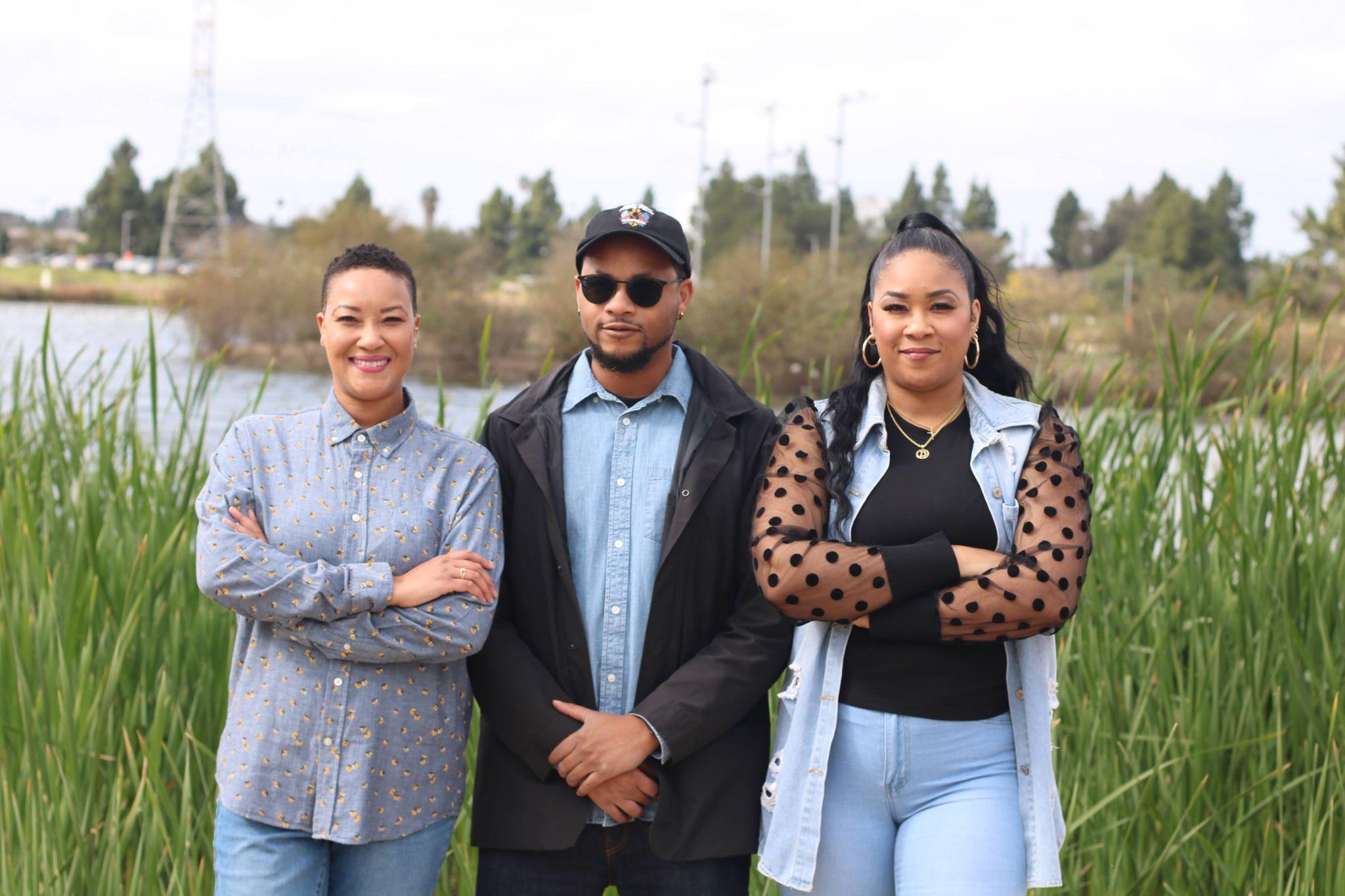
Hosted by sibling co-hosts, Daisy, Devyn and Darrin - the show approaches politics through candid discussion, current events, and questions about how national decisions affect everyday Americans. Episode 181, titled "Politricks" focused on the approaching midterm elections, California's ballot measures, congressional races, and local contests in Los Angeles County. It also raised a central question: Would Democrats take control of the House and Senate?
With the election results now in, that question has become an opportunity to examine what the political shift could mean for the country and what comes next when the new Congress takes office in January.
Episode 181: Looking Beyond Election Day
In Episode 181, the Oliver Happy Hour hosts examined the political environment ahead of the midterms, including the possibility of a Democratic takeover of Congress. Their discussion considered candidates, changing congressional districts, state-level issues, and the broader direction of American politics.
Among the subjects was Michigan's Senate race, including Abdul El-Sayed's candidacy and the policy issues associated with his campaign. The hosts also discussed California's newly redrawn congressional districts, which were expected to influence the balance of representation in the state. Their conversation extended to local races, including the contest between Karen Bass and Nithya Raman for Los Angeles mayor.
Rather than treating an election as an isolated event, the show considered how individual races, ballot measures, and political decisions connect to larger questions about representation and public accountability.
The November results gave that discussion new significance. According to The Associated Press, Democrats won control of both the House and Senate, flipping at least seven Senate seats and gaining more than two dozen House districts. In the House, Democrats also made gains in states and districts that had previously been considered favorable to Republicans.
The results represented a substantial shift in congressional power and brought several of the questions raised before the election into sharper focus.
The Blue Wave and the States That Changed the Map
The 2026 election demonstrated that political shifts were not limited to the traditional battlegrounds. Democratic victories reached into areas where Republican candidates had previously maintained strong support.
In Texas, Democrat James Talarico defeated Republican Ken Paxton in the Senate race, marking a significant change in the state's congressional representation. South Carolina also delivered a notable result, with Democrat Annie Andrews winning a Senate seat that Republicans had held. These outcomes became part of a broader national pattern of Democratic gains.
The Associated Press reported that younger voters, moderate voters, and several demographic groups shifted toward Democratic candidates compared with the 2024 presidential election. Cost of living concerns, inflation, and dissatisfaction with political leadership were among the issues reflected in voter responses.
For the Oliver Happy Hour Podcast, the results create an opportunity to revisit the election outlook discussed in Episode 181 and consider how changing voter priorities can influence future campaigns. The episode's discussion of the possibility of Democrats taking both chambers now has a clear result to examine.
The significance extends beyond party control. It raises questions about which communities feel represented, what voters expect from elected officials, and whether political leaders will respond to the concerns that shaped the election.
January's Congressional Transition: What Democrats Could Do Next
With Democrats taking control of both chambers, attention now turns to the January swearing-in and the responsibilities that come with a new congressional majority.
A change in congressional control can affect committee leadership, legislative priorities, investigations, oversight, and the ability to advance or block legislation. Democrats will have opportunities to shape hearings, review federal policies, and pursue their legislative agenda. They will also face the challenge of building agreement among members with different priorities.
The new majority does not automatically guarantee that every proposed change will become law. Legislative outcomes will depend on negotiations, internal party unity, procedural requirements, and the positions of the administration and other political institutions.
Nevertheless, the transition gives Democrats a platform to address issues raised during the campaign, including affordability, healthcare, education, economic opportunity, and government accountability.
The Oliver Happy Hour Podcast's political discussions invite listeners to look beyond the excitement of election night and consider what elected officials actually do once they take office. The next measure of political change will be the decisions made after the campaign signs come down.
Los Angeles Delivers Its Own Political Message
Episode 181 also turned its attention to the Los Angeles mayoral race between incumbent Karen Bass and challenger Nithya Raman. The contest reflected local disagreements over leadership, public safety, housing, homelessness, and the direction of city government.
The race became one of the most closely watched local contests, with Raman challenging an incumbent backed by much of the city's political establishment. The result ultimately went to Raman. According to the Los Angeles Times, Bass conceded after updated results showed Raman leading with 52% of the vote compared with Bass's 48%.
The outcome marked a notable change in Los Angeles leadership and added another dimension to the broader political developments of 2026. It also illustrated how local elections can reflect debates about representation, accountability, and the expectations voters place on established political figures.
For the Oliver Happy Hour Podcast, the Los Angeles contest fits into a larger conversation about how political leadership evolves and what happens when voters seek a different direction.
The Generational Question: When Is It Time to Make Room?
Beyond party politics, another issue raised in the feedback surrounding the episode concerns the changing relationship between Baby Boomers and Generation X.
Many members of Generation X have spent years waiting for greater representation in leadership positions across business, government, and other institutions. Yet leadership transitions can be slow, particularly when older generations continue to occupy influential roles well into later stages of their careers.
The frustration is not simply about age. It is about access, opportunity, and whether established institutions are making room for new perspectives. Younger generations are also seeking greater participation in decisions that will shape their economic futures, communities, and working lives.
The discussion raises an important question: How can institutions benefit from the experience of established leaders while creating meaningful opportunities for the generations that follow?
The issue is particularly relevant in politics, where leadership affects decisions that can shape the country for decades. The 2026 election results, including the gains made by younger voters and the changing composition of Congress, provide a timely backdrop for examining how representation evolves.
A generational transition does not require dismissing the contributions of older leaders. It requires recognizing that experience and new perspectives can coexist, and that leadership opportunities should not remain limited to the same individuals indefinitely.
A Conversation That Continues Beyond the Ballot
The Oliver Happy Hour Podcast uses political discussions to connect election outcomes with the everyday concerns of its audience. Episode 181 provides an entry point into conversations about congressional power, California politics, local leadership, and the generational questions influencing the future of American institutions.
The 2026 midterms have changed the balance of Congress, but the consequences will become clearer as the new representatives take office in January. Whether Democrats can translate their electoral gains into lasting policy changes remains an important question for voters and observers.
For Oliver Happy Hour co-hosts, the value of political conversation lies in examining the issues, challenging assumptions, and encouraging listeners to stay engaged. Elections may determine who holds office, but public attention and participation remain important throughout the governing process.
The blue wave has created a new political chapter. The next conversation is about what elected leaders will do with the opportunity.
Join the Conversation
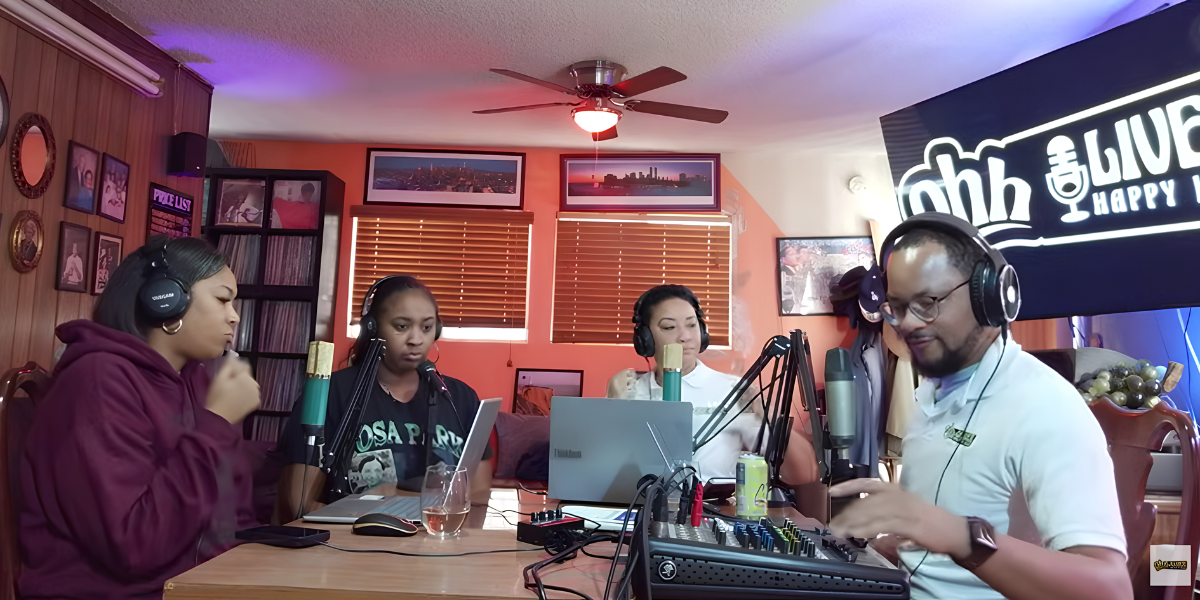
Watch Episode 181: Politricks and hear the Oliver Happy Hour hosts discuss the midterm elections, California propositions, congressional races, and the political questions facing American voters.
Listeners can follow the show, revisit its political discussions, and join the conversation about the decisions shaping the country's future.
Explore More About Oliver Happy Hour Podcast
Connect with Oliver Happy Hour Podcast, explore the show through The Oliver Enterprises, reach the team at oliverhappyhour@gmail.com, or call +1 424 254 9458.

Democrat Digest Contributor
This article features partner, contributor, or branded content from a third party. Members of the Democrat Digest editorial staff were not involved in the creation of this content. All views and opinions are those of the contributor alone.
You May Also Like

NASA And NOAA Reveal Alarming 2026 Ozone Hole Findings

Historic Southwest Flooding Devastates Communities As Extreme Rainfall Raises New Climate Concerns

Dr. LaVerne Hanes Collins and the Overlooked Story

NASA Advances Artemis Moon Mission Plans As America Prepares For A New Era Of Space Exploration

Gulf Coast Faces Growing Storm Threat As Forecasters Track Potential Hurricane Development