2026 Midterm Elections Enter Critical Final Stretch as Battle for Congress Intensifies
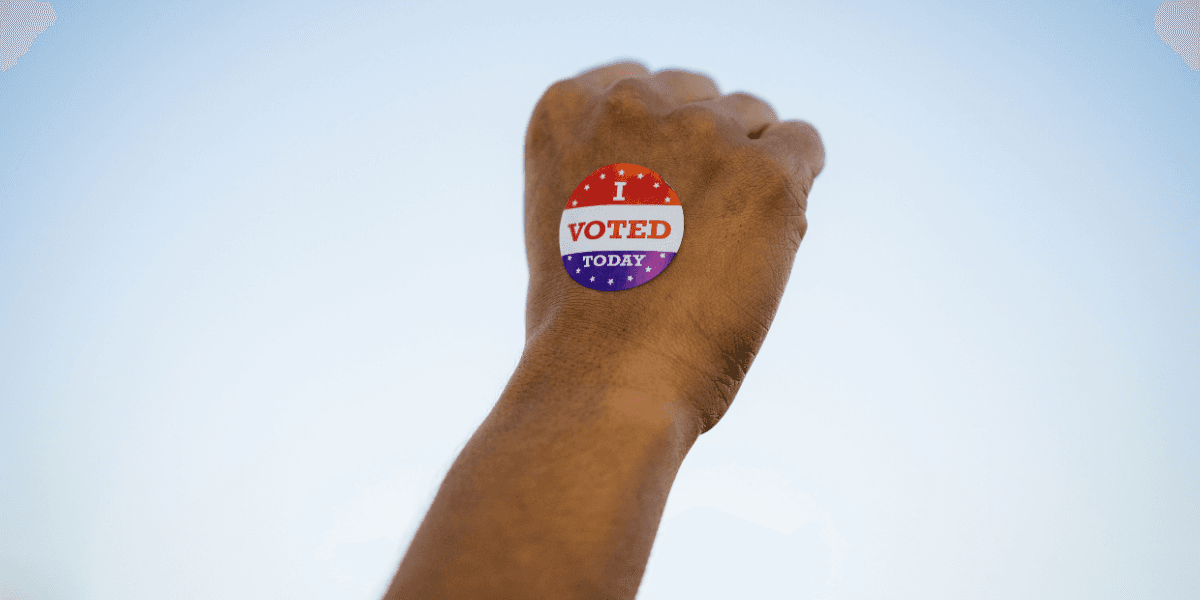
The 2026 midterms enter their final stretch as Republicans and Democrats battle for control of Congress, with turnout and key races in focus.
The 2026 midterm elections moved deeper into their decisive final phase on Thursday, September 10, as Republicans and Democrats sharpened their strategies for a November vote that will determine control of Congress.
With Election Day less than two months away, attention is increasingly focused on competitive House and Senate races, voter turnout and the national issues likely to influence undecided voters. Republicans currently hold congressional majorities, making the November election a critical test of whether the party can maintain control during the second half of President Donald Trump's term.
The latest campaign activity comes as Republicans hold a two-day midterm convention in Dallas, an unusual national gathering designed to generate enthusiasm ahead of November. Trump has placed himself prominently in the Republican campaign effort, urging supporters to approach the midterms as though his own name were appearing on the ballot.
For Democrats, meanwhile, the approaching election represents an opportunity to regain influence in Washington by competing for congressional seats in closely divided states and districts.
Control of Congress at Stake
Midterm elections traditionally serve as an important measure of voter sentiment halfway through a presidential term.
All seats in the U.S. House of Representatives are on the ballot in November, along with a portion of the Senate. The results will determine which party controls the legislative agenda during the final two years of Trump's current term.
The stakes extend beyond individual congressional contests. Control of the House and Senate determines leadership positions, committee control and the ability of lawmakers to advance or block legislation.
A divided government could substantially alter how Washington operates through 2027 and 2028, while continued Republican control would provide the administration with a stronger position for pursuing its legislative priorities.
Because congressional margins are relatively narrow, competitive races in a limited number of states and districts could ultimately determine the national outcome.
Republicans Turn to National Convention
Republicans gathered in Dallas this week as part of an effort to build voter enthusiasm and establish a unified campaign message heading into the final weeks.
The convention placed Trump at the center of the party's midterm strategy. During his Wednesday evening appearance, the president encouraged supporters to participate in November even though he personally is not running this year.
Vice President JD Vance and other senior Republican figures are also participating in the gathering as the party works to mobilize voters.
The strategy carries both opportunities and risks. Trump's ability to generate enthusiasm among committed supporters has remained an important feature of Republican electoral politics, but midterm campaigns also require candidates to appeal to independents and less partisan voters in competitive districts.
That challenge will become increasingly important as campaigns move from primary-season messaging toward the broader general-election electorate.
Democrats See Opportunity in Competitive Races
Democrats are approaching November with a different objective: gaining enough congressional seats to change the balance of power in Washington.
Historically, the president's party often faces difficult conditions during midterm elections. However, historical patterns do not guarantee a particular outcome, and candidate quality, turnout, local concerns and national conditions can all influence individual races.
Democratic candidates are expected to emphasize issues including affordability, health care, economic security and government accountability as they attempt to persuade independent voters and increase turnout among the party's traditional supporters.
Republicans, meanwhile, are expected to highlight their economic agenda, tax policies and other elements of the administration's domestic record.
The competing strategies mean many closely divided districts could receive significant national attention and campaign resources during the remaining weeks.
Voter Turnout Could Prove Decisive
Turnout is one of the biggest uncertainties surrounding any midterm election.
Presidential elections typically attract more voters because of the attention surrounding the race for the White House. Midterms can produce different electorates, making voter enthusiasm and campaign organization particularly important.
Both parties are therefore expected to devote considerable resources to voter registration, early voting education and get-out-the-vote programs.
The Federal Election Commission's 2026 calendar shows that federal election activity periods covering voter identification and turnout operations are already underway across the states.
Election administration is also receiving attention in several parts of the country. In Washington state, for example, officials are encouraging voters to consider ballot drop boxes amid concerns about postal processing delays. The issue illustrates how voting procedures and election logistics can become important as November approaches.
What Voters Should Watch
The coming weeks will provide a clearer picture of the political environment.
Polling in competitive districts, campaign fundraising, early-voting participation and voter enthusiasm will offer additional indicators, but none can determine the result before ballots are counted.
Individual House contests may also respond differently to national political trends. Candidates frequently face local concerns that do not align perfectly with national party messaging, making district-level developments important to understanding the broader election.
Senate contests carry additional significance because each race can affect the chamber's balance for six years.
As September progresses, campaigns will increasingly focus on persuading undecided voters while ensuring their existing supporters participate.
The November 3 election will ultimately determine whether Republicans maintain congressional control or Democrats gain enough seats to shift the balance of power.
For voters, the final stretch offers an opportunity to examine candidates, understand local voting procedures and evaluate the competing priorities presented by both parties. With control of Congress at stake, the 2026 midterms are positioned to shape the direction of the federal government for the remainder of the presidential term.

Democrat Digest Contributor
This article features partner, contributor, or branded content from a third party. Members of the Democrat Digest editorial staff were not involved in the creation of this content. All views and opinions are those of the contributor alone.
You May Also Like

Gulf Coast Faces Growing Storm Threat As Forecasters Track Potential Hurricane Development

“Could I Make Laws One Day?”: Amanda Matchett and the Power of Seeing Yourself in Leadership

Indigenous Peoples Day Celebrations Across America Highlight Native Culture, History, And Community

U.S. Announces More Than $6 Billion In Science Initiatives To Expand Research And Education

NASA Astronaut Christina Koch Brings Artemis Moon Mission Into The National Spotlight At Philadelphia NFL Game