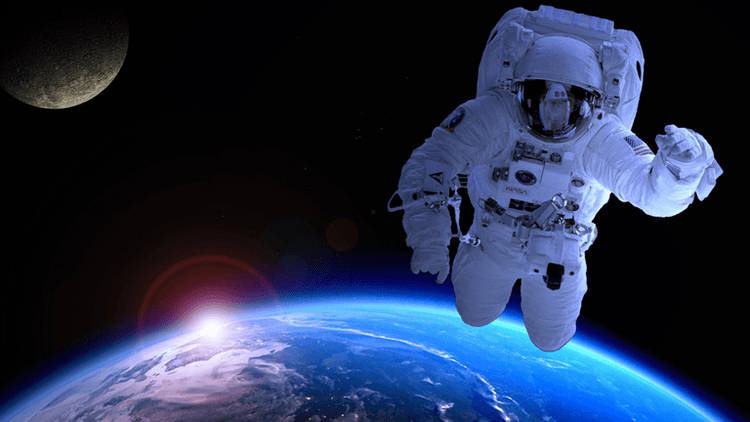
NASA Astronaut Christina Koch Brings Artemis Moon Mission Into The National Spotlight At Philadelphia NFL Game
NASA astronaut Christina Koch connects space exploration with football fans in Philadelphia, highlighting America's Artemis program.
PHILADELPHIA, October 4, 2026. Thousands of football fans gathered at Lincoln Financial Field on Sunday for a familiar American tradition. Yet the afternoon also offered something unusual: a direct connection to the nation's space exploration program. NASA astronaut Christina Koch, a mission specialist for Artemis II, stepped onto the field during the Philadelphia Eagles game against the Los Angeles Rams and led fans in singing the Eagles Fight Song. The appearance brought NASA's lunar exploration efforts into a setting far removed from laboratories, launchpads, and mission control. The event formed part of NASA's Inspiration Tour, an outreach initiative designed to connect Americans with advances in aviation and space technology.
NASA's Artemis Mission Reaches Beyond The Space Industry
The October 4 appearance reflected NASA's effort to make space exploration more accessible to the American public. Rather than limiting its educational activities to science centers and academic institutions, the agency is using major sporting events to introduce its work to audiences who might not otherwise follow developments in aerospace research. Fans at Lincoln Financial Field had an opportunity to connect the excitement surrounding professional football with the scientific and engineering work supporting America's space program.
Koch's participation carried particular significance because of her connection to Artemis II. As a mission specialist, she represents a program intended to advance human exploration beyond low Earth orbit. Her presence at the stadium placed a recognizable human face on a complex national scientific undertaking. For younger spectators, seeing an astronaut participate in a familiar community event could help make careers in science, engineering, and technology appear more tangible.
Why The October 4 NASA Event Matters
Although Sunday's appearance was primarily an educational and public engagement event, it also highlighted a broader issue: how government scientific institutions communicate their work to the people who support them. Space missions involve specialized technology, years of preparation, and substantial public resources. Their objectives can seem distant from everyday life, particularly when scientific explanations focus on technical procedures rather than practical understanding.
NASA's Inspiration Tour seeks to narrow that distance. The initiative aims to strengthen connections between NASA and its partners while showcasing aerospace innovation. It also precedes the MAX POWER aerospace technology expo and airshow, planned for early November at Kennedy Space Center in Florida. Together, these activities illustrate how NASA is extending its public outreach beyond conventional scientific audiences.
Connecting Scientific Discovery With Public Education
One of the most important aspects of NASA's public engagement is its potential educational value. Space exploration depends on a wide range of professions, including engineers, scientists, technicians, researchers, communications specialists, and mission planners. Public appearances by astronauts can help demonstrate that the space industry is not limited to the individuals who travel aboard spacecraft.
Koch's participation also offered an example of how scientific institutions can communicate through familiar cultural experiences. Professional football attracts audiences across generations, making it a useful setting for introducing subjects that might otherwise receive limited attention outside specialized communities.
However, the event's educational impact should not be overstated. While the appearance demonstrated NASA's commitment to public engagement, it does not establish how many spectators developed a greater interest in science or whether the event changed public attitudes toward space exploration. Those outcomes would require additional research.
NASA's Broader Exploration Goals Remain In Focus
The Philadelphia appearance took place amid continued NASA activity involving human spaceflight, scientific research, and technological development. The agency's broader work includes activities related to the International Space Station, lunar scientific investigations, and technologies intended to support future exploration. These initiatives demonstrate that NASA's public outreach exists alongside substantial technical and operational programs.
For Americans interested in the future of science, the distinction matters. Public appearances can raise awareness, but the lasting significance of the Artemis program will depend on its scientific achievements, mission performance, and ability to support future exploration. Events such as Sunday's stadium appearance provide visibility rather than evidence of technical progress.
Nevertheless, the human connection remains valuable. By placing an astronaut before a large sporting audience, NASA presented space exploration as part of the nation's shared cultural experience rather than an activity confined to distant facilities.
What Americans Can Learn From NASA's Philadelphia Appearance
The central takeaway from October 4 is that public understanding plays an important role in major scientific programs. NASA's appearance at Lincoln Financial Field demonstrated one approach to reaching audiences through experiences they already enjoy. It also highlighted how astronauts can serve as accessible representatives of complex scientific work.
For NASA, Sunday's event was an opportunity to bring the story of American space exploration closer to the public. For spectators, it was a reminder that the people preparing for ambitious scientific missions also participate in the everyday traditions that connect communities across the country.
As NASA continues pursuing its exploration goals, public education and community engagement will remain important parts of communicating the value of scientific discovery. The Philadelphia appearance showed that conversations about America's future in space can begin in unexpected places, including a football stadium filled with fans.

Democrat Digest Contributor
This article features partner, contributor, or branded content from a third party. Members of the Democrat Digest editorial staff were not involved in the creation of this content. All views and opinions are those of the contributor alone.
You May Also Like

Gulf Coast Faces Growing Storm Threat As Forecasters Track Potential Hurricane Development

“Could I Make Laws One Day?”: Amanda Matchett and the Power of Seeing Yourself in Leadership

Indigenous Peoples Day Celebrations Across America Highlight Native Culture, History, And Community

U.S. Announces More Than $6 Billion In Science Initiatives To Expand Research And Education

National Day Of Remembrance Brings Native Boarding School History Into Focus Across The United States