
Meta’s Facebook And Instagram Outage Disrupts Thousands Of Users Across The United States
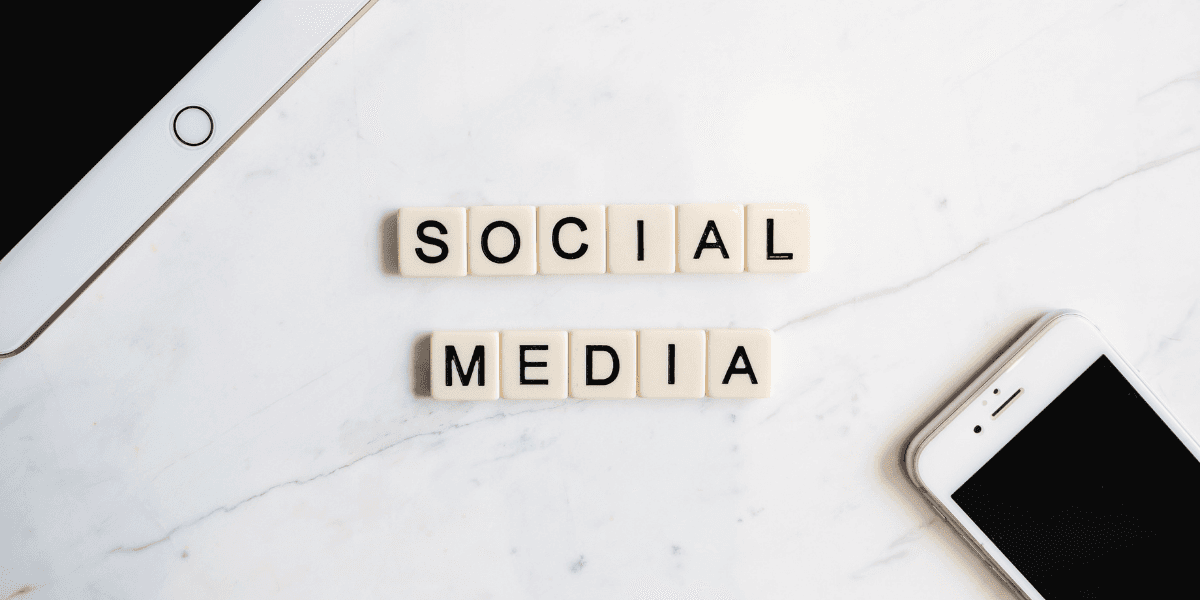
Facebook and Instagram suffered a brief U.S. outage on September 20, disrupting thousands before service largely returned within hours.
For thousands of Americans on Sunday evening, September 20, a familiar routine suddenly stopped working. Facebook pages would not load, while Instagram users encountered problems accessing the platform. Within minutes, reports began accumulating from people across the United States who were trying to determine whether the problem was with their devices or something much larger. The answer soon became clear: two of the country's most widely used social platforms were experiencing a significant service disruption.
The Facebook and Instagram outage began at approximately 8:55 p.m. Eastern Time. At its peak, more than 17,000 reports concerning Facebook had been submitted to Downdetector, while Instagram generated more than 5,000 reports. By approximately 10 p.m. Eastern Time, however, the number of new reports had fallen sharply, indicating that the platforms had largely recovered.
Facebook And Instagram Outage Quickly Draws Attention
The rapid increase in complaints illustrated how quickly a disruption involving major digital platforms becomes visible. Downdetector identifies possible outages by gathering status reports from users and other sources. Its figures therefore represent reports submitted to the service rather than a precise count of everyone affected. The actual number of users who experienced problems on September 20 could have been higher or lower than the totals recorded.
Independent technology coverage also documented the disruption as it unfolded. Reports described problems accessing Facebook and Instagram alongside a sharp increase in outage complaints. During the disruption, Meta's status information reportedly showed no known issues while users continued to experience difficulties. The contrast illustrated an important limitation of relying on a single source when determining whether a major online service is experiencing trouble.
The outage was relatively brief. Complaints had declined significantly by about 10 p.m. Eastern Time, suggesting that access was returning for many affected users. An immediate explanation for the disruption was not publicly available. Without a confirmed technical explanation, conclusions about the exact cause would be speculative.
Why A Short Social Media Outage Still Matters
A disruption lasting roughly an hour may seem minor compared with longer infrastructure failures. Yet Facebook and Instagram are not simply entertainment services. People use them to communicate with relatives and community groups, follow organizations, promote events, operate business pages, and share information. An interruption can therefore affect a broad range of routine digital activity even when service returns quickly.
The September incident was also not the first disruption involving the platforms in 2026. Facebook and Instagram experienced another reported outage in July. During that incident, Downdetector recorded as many as 4,808 Facebook reports and 2,829 Instagram reports. A separate June disruption was substantially larger, with more than 113,000 Facebook reports and approximately 10,000 Instagram reports recorded at its peak.
Those earlier incidents provide useful context. They do not establish a common cause or demonstrate that the outages resulted from the same underlying problem. Instead, they show that even major digital platforms can experience interruptions and that users should be prepared for occasional periods when familiar communication channels become temporarily unavailable.
What Users Can Learn From The September 20 Disruption
The clearest takeaway is practical. An application that suddenly stops loading does not necessarily mean there is a problem with a user's phone, computer, internet connection, or account. Checking an established outage tracker and credible news coverage can help determine whether other people are reporting the same issue. Users should also remember that early outage numbers can change quickly because services such as Downdetector rely partly on reports submitted by users.
People who depend on social platforms for communication may also benefit from maintaining alternatives. Important contact information, business details, event instructions, and essential documents should not exist exclusively inside a social media account. Keeping another communication method available can reduce disruption when a platform temporarily becomes inaccessible.
A Reminder Of America's Reliance On Digital Platforms
The September 20 Facebook and Instagram outage ultimately proved brief, with reports declining sharply within little more than an hour. Still, the event demonstrated how deeply major social platforms have become integrated into everyday communication and commerce in the United States.
For individual users, organizations, and businesses, the episode offers a simple lesson: digital convenience works best when it is supported by alternatives. Maintaining more than one way to communicate, store essential information, and reach important contacts can make an unexpected platform outage far less disruptive.
As Americans continue to rely on social platforms for everyday communication, incidents like the September 20 outage provide a useful reminder that even the world's largest online services can temporarily go offline. Being prepared with alternative channels can help users stay connected when the next disruption occurs.

Democrat Digest Contributor
This article features partner, contributor, or branded content from a third party. Members of the Democrat Digest editorial staff were not involved in the creation of this content. All views and opinions are those of the contributor alone.
You May Also Like
Great Miami Hurricane Centennial Highlights A Century Of Progress In Storm Forecasting
Great Miami Hurricane Centennial Highlights A Century Of Progress In Storm Forecasting
NOAA Report Shows Record U.S. Summer Heat Deepening Drought And Wildfire Risks

Record-Breaking U.S. Summer Highlights Growing Challenge of Extreme Heat
Education Equity Takes Center Stage at Chicago Civil Rights Forum
