On March 29, 2026, several national developments highlighted a growing focus on workforce investment, climate resilience, and social equity across the United States. These initiatives, driven by federal agencies, state governments, and community organizations, reflect broader policy priorities aimed at strengthening economic opportunity while addressing long-standing structural challenges.
Expanding Workforce Development and Skills Training
One of the most notable areas of progress involves workforce development programs designed to prepare Americans for a rapidly evolving economy. The U.S. Department of Labor reported continued expansion of job training partnerships with community colleges, trade schools, and private employers. These programs emphasize skills in high-demand sectors such as clean energy, advanced manufacturing, and healthcare.
Recent data from the Bureau of Labor Statistics indicates steady growth in employment opportunities tied to infrastructure and renewable energy projects. Workforce initiatives are increasingly aligned with these sectors, helping workers transition into stable, well-paying careers.
Policy experts note that these efforts build on earlier investments in infrastructure and economic recovery programs, with a focus on long-term sustainability. Research from the Brookings Institution has linked targeted workforce training to improved employment outcomes, particularly in regions undergoing economic transition.
Climate and Clean Energy Investments Accelerate
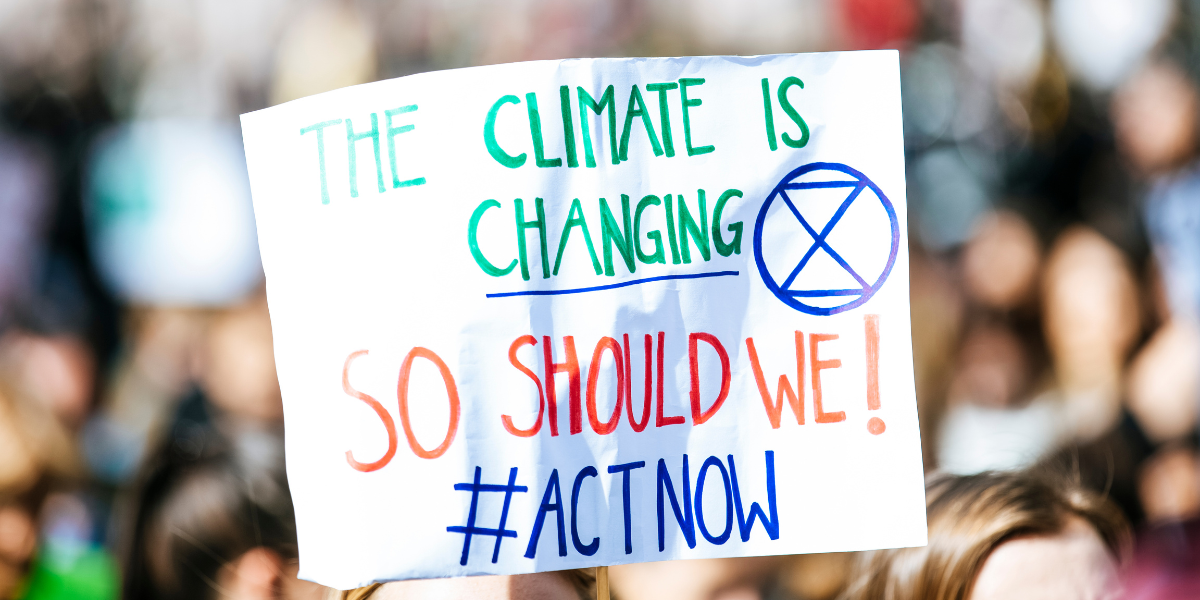
Climate-related initiatives also remained at the forefront of national developments. Federal and state agencies continue to implement projects aimed at reducing emissions, expanding renewable energy capacity, and strengthening resilience against extreme weather events.
The U.S. Environmental Protection Agency highlighted ongoing investments in clean energy infrastructure, including solar and wind energy expansion. These projects are supported by public-private partnerships and are expected to contribute to both environmental goals and job creation.
Community-based programs are also addressing climate impacts at the local level. Efforts to improve urban green spaces, modernize water systems, and enhance disaster preparedness are being prioritized in vulnerable communities. Research from the National Renewable Energy Laboratory suggests that such localized investments can significantly reduce long-term environmental risks while supporting economic resilience.
Advancing Social Justice and Equity
Social justice initiatives continue to play a central role in shaping national policy discussions. Programs aimed at expanding access to education, healthcare, and housing are being implemented across multiple states, often with federal support.
The U.S. Department of Housing and Urban Development has reported increased funding for affordable housing projects, particularly in urban areas facing rising costs. These efforts are complemented by initiatives designed to prevent displacement and support first-time homebuyers.
In education, expanded grant programs and student support services are helping to reduce barriers to higher education. Data from the National Center for Education Statistics shows continued growth in enrollment in workforce-aligned education programs, reflecting increased access and awareness.
Healthcare access remains another key focus. Community health centers and local providers are receiving additional support to expand services, particularly in underserved areas. These initiatives aim to improve overall public health outcomes while reducing disparities.
Collaborative Governance and Community Engagement
A defining feature of these developments is the emphasis on collaboration among federal, state, and local stakeholders. Public-private partnerships and community engagement efforts are increasingly recognized as essential to effective policy implementation.
Organizations such as the National Governors Association have emphasized the importance of cross-sector cooperation in addressing complex challenges. By aligning resources and expertise, policymakers and community leaders are working to ensure that programs are both effective and inclusive.
Community input has also played a growing role in shaping policy decisions. Public forums, stakeholder consultations, and grassroots initiatives are helping to inform program design and implementation, ensuring that policies reflect the needs of diverse populations.
Key Takeaways
- Sustained Investment in Workforce Growth: Training and education programs are equipping workers with skills needed for emerging industries.
- Climate Action as Economic Opportunity: Clean energy and environmental initiatives are driving job creation while addressing environmental challenges.
- Focus on Equity and Access: Policies aimed at expanding housing, education, and healthcare access are addressing systemic disparities.
- Collaborative Approach to Governance: Partnerships across sectors are enhancing the effectiveness of public programs.
Looking Ahead
As these initiatives continue to evolve, analysts expect further integration of workforce, environmental, and social policies. Research from the Urban Institute suggests that coordinated approaches are likely to yield more sustainable and equitable outcomes.
The developments observed on March 29, 2026, reflect a broader commitment to building an economy that is inclusive, resilient, and forward-looking. By prioritizing investment in people, communities, and infrastructure, policymakers and stakeholders are shaping a national landscape that emphasizes opportunity and shared progress.
