
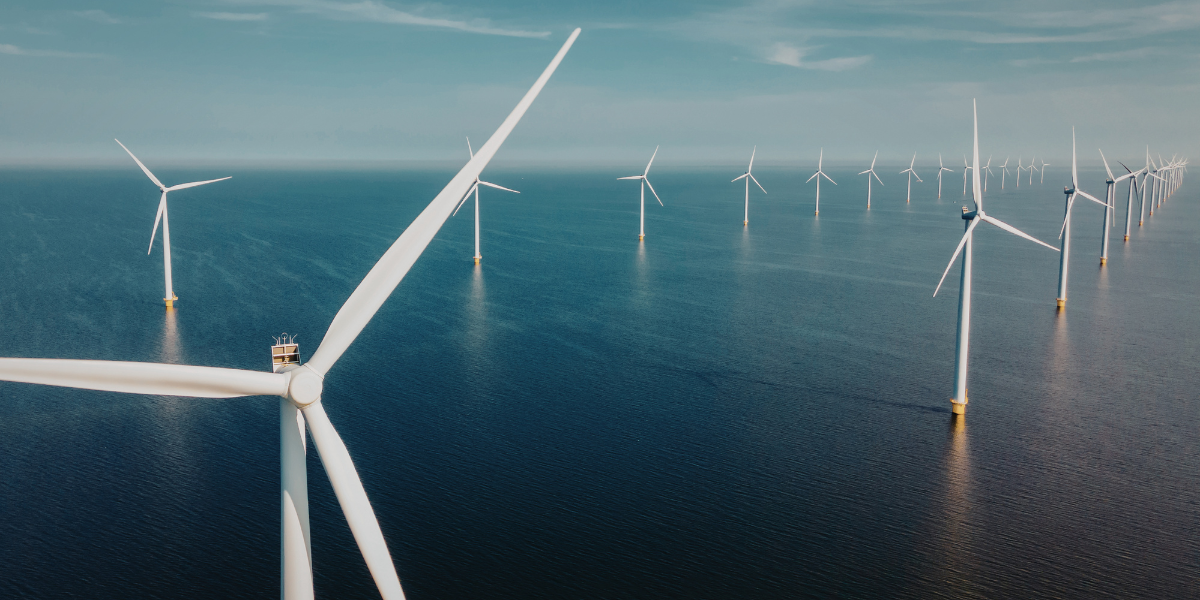
On March 31, 2026, the U.S. Department of the Interior announced the approval of a major offshore wind expansion plan aimed at significantly increasing renewable energy capacity along the Atlantic coastline. The initiative, developed through the Bureau of Ocean Energy Management (BOEM), designates new lease areas for offshore wind development and advances several previously proposed projects into the next phase of construction and permitting.
The plan is part of a broader national effort to expand clean energy infrastructure and reduce greenhouse gas emissions, aligning with long-term federal climate goals. Officials confirmed that the newly approved lease areas could support up to 20 gigawatts of additional offshore wind capacity, enough to power millions of homes once fully operational.
Key Details of the Expansion
The expansion focuses primarily on designated offshore zones near states including New York, New Jersey, and the Carolinas. These areas were selected following extensive environmental reviews, stakeholder consultations, and assessments of wind resource potential.
According to BOEM, the plan includes:
- Final approval of multiple lease areas for commercial wind development
- Advancement of several large-scale wind projects into construction readiness
- Updated environmental safeguards to protect marine ecosystems and fisheries
- Commitments to workforce development and domestic supply chain investment
Federal officials emphasized that the approval process incorporated years of scientific analysis and public input to balance energy development with environmental protection.
Interior Department representatives noted that offshore wind remains one of the fastest-growing sources of renewable energy in the United States, with the potential to deliver consistent, large-scale electricity generation close to major population centers.
Economic and Infrastructure Impact
The expansion is expected to generate substantial economic activity, particularly in coastal regions where port upgrades, manufacturing facilities, and maintenance operations will be required.
Industry analysts estimate that the new projects could create tens of thousands of jobs across construction, engineering, and long-term operations. Additionally, investments in domestic manufacturing are expected to increase as companies establish facilities for turbine components, foundations, and transmission systems.
The American Clean Power Association highlighted that offshore wind development has already begun reshaping regional economies, with states investing in specialized infrastructure to support the sector. The new plan is anticipated to accelerate these trends, strengthening the domestic clean energy supply chain.
Environmental Considerations
Environmental protection remains a central component of the plan. Federal agencies outlined several measures designed to mitigate potential impacts on marine wildlife, including:
- Seasonal construction restrictions to protect migratory species
- Advanced monitoring systems for marine mammals
- Coordination with fishing communities to reduce conflicts with commercial activity
The National Oceanic and Atmospheric Administration (NOAA) has worked alongside BOEM to ensure that project developers adhere to updated environmental standards. These safeguards are intended to address concerns raised by conservation groups while allowing renewable energy development to proceed responsibly.
Researchers have noted that transitioning to renewable energy sources such as offshore wind plays a critical role in reducing emissions linked to climate change. Expanding wind capacity can significantly lower reliance on fossil fuels over time.
Grid Integration and Energy Reliability
One of the major challenges addressed in the plan is the integration of offshore wind power into the existing electrical grid. Federal and state agencies are coordinating efforts to upgrade transmission infrastructure, ensuring that generated electricity can be efficiently delivered to urban centers.
The Department of Energy has supported initiatives to modernize grid systems and improve energy storage capabilities, which are essential for managing variable renewable energy sources. Advances in battery storage and grid technology are expected to enhance reliability and reduce fluctuations in supply.
Energy experts emphasize that offshore wind offers a strategic advantage due to its proximity to densely populated coastal regions, where electricity demand is highest.
Broader Climate Goals
The expansion aligns with national targets to increase the share of renewable energy in the U.S. energy mix and reduce overall carbon emissions. Federal agencies have set ambitious benchmarks for offshore wind deployment over the next decade, with continued leasing and project approvals expected in the coming years.
Offshore wind is widely recognized as a key component of global efforts to transition to cleaner energy systems. In the United States, policymakers and industry leaders view the sector as essential to meeting climate objectives while maintaining economic growth.
Key Takeaways
The March 31 approval of the offshore wind expansion plan represents a significant step forward in U.S. renewable energy development. By designating new lease areas and advancing large-scale projects, the federal government is positioning offshore wind as a cornerstone of the nation’s clean energy strategy.
The initiative highlights several important trends:
- Growing investment in renewable infrastructure and domestic manufacturing
- Increased focus on balancing energy development with environmental protection
- Continued efforts to modernize the electrical grid and improve energy reliability
- Expansion of job opportunities in emerging clean energy sectors
As implementation begins, the success of the plan will depend on effective coordination among federal agencies, state governments, industry stakeholders, and local communities. The coming years will be critical in determining how quickly these projects move from approval to full operation.
Overall, the expansion underscores the accelerating momentum behind renewable energy in the United States and reflects a broader shift toward sustainable, long-term energy solutions.