Expanding Free Public Transit Programs and the Future of Urban Mobility in the United States
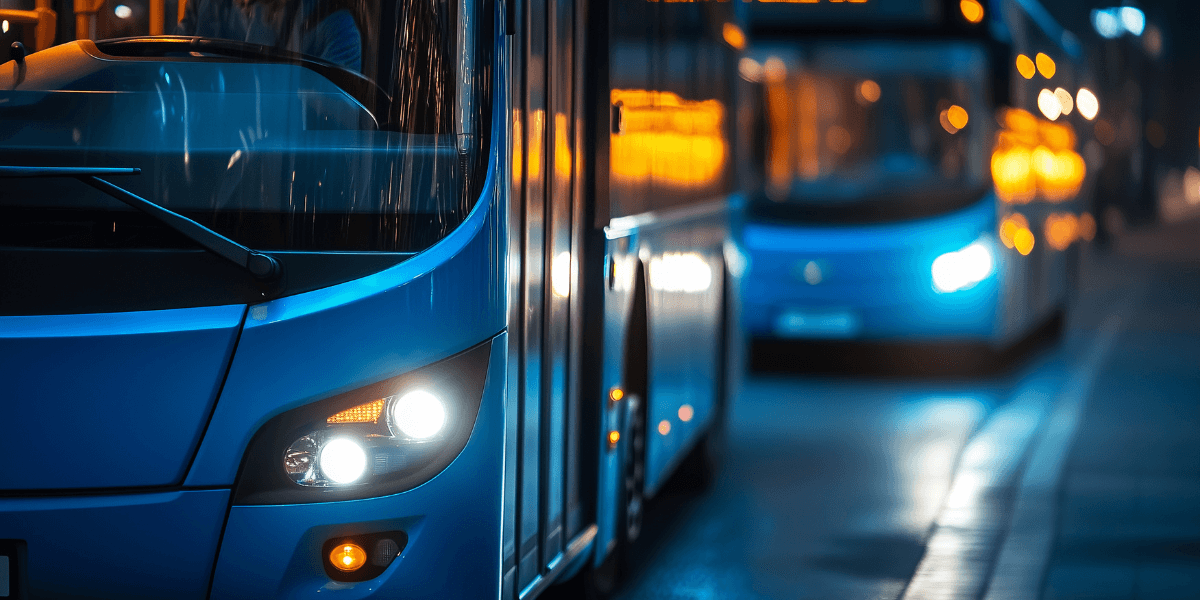
Across the United States, cities are increasingly exploring or expanding free and reduced-cost public transit programs as part of broader efforts to improve accessibility, reduce household transportation costs, and modernize urban infrastructure. These initiatives reflect a growing policy approach focused on treating mobility as a public service rather than a pay-per-use utility, particularly in densely populated and economically diverse metropolitan areas.
At its core, the idea behind fare-free or heavily subsidized transit is to remove financial and logistical barriers that prevent people from moving efficiently through cities. Transportation is often one of the largest monthly expenses for working families, especially in urban areas where private vehicle ownership can be costly due to fuel, insurance, maintenance, and parking fees. By reducing or eliminating fares, local governments aim to provide immediate financial relief while improving access to jobs, education, healthcare, and essential services.
Improving access and equity in transportation
One of the central goals of expanded public transit programs is to improve equity in access to mobility. In many cities, lower-income residents disproportionately rely on buses and trains to commute. However, even modest fare costs can accumulate into a significant burden over time, sometimes forcing difficult trade-offs between transportation and other basic needs.
By making transit more affordable or free in certain zones or for specific populations, such as students, seniors, or low-income workers, cities aim to ensure that mobility is not determined solely by income level. This approach helps reduce disparities in access to employment opportunities and public services, particularly in regions where job centers are geographically distant from residential neighborhoods.
In addition, simplified fare systems can reduce administrative complexity for transit agencies. Eliminating or streamlining fare collection reduces overhead costs associated with ticketing systems, enforcement, and cash handling, allowing agencies to redirect resources toward service improvements.
Economic benefits for communities and cities
Free or subsidized transit programs can also generate broader economic benefits. Increased ridership is one of the most immediate effects observed when transit becomes more affordable. As more people use public transportation, foot traffic tends to increase in commercial districts, benefiting small businesses such as retail shops, restaurants, and service providers.
For workers, reduced transportation costs effectively function as a form of indirect wage increase. The money saved on commuting can be redirected toward housing, food, education, or savings. This can have a stabilizing effect on household finances, particularly in cities with high costs of living.
Municipal governments also see potential long-term economic gains. Improved transit accessibility can make cities more attractive for employers seeking a reliable workforce, and it can support workforce participation by expanding the geographic range within which people can reasonably accept job opportunities.
Environmental and urban planning advantages
Another major motivation behind expanded public transit programs is environmental sustainability. Transportation is a significant contributor to urban air pollution and greenhouse gas emissions, largely due to private vehicle use. Encouraging a shift from cars to buses and trains can help reduce congestion and improve air quality in densely populated areas.
Urban planners often emphasize that transit-oriented development—where housing, jobs, and services are designed around public transportation networks—becomes more effective when transit is affordable and widely used. In this context, fare-free programs can support broader climate and land-use goals by reinforcing public transportation as the default mobility option rather than a secondary choice.
Reduced traffic congestion is another important benefit. When more people opt for public transit, road usage decreases, which can lead to shorter travel times, fewer traffic delays, and lower infrastructure wear and tear. These improvements can also enhance productivity across urban economies.
Challenges in funding and implementation
Despite the potential benefits, free transit programs also face significant challenges, particularly in funding and capacity management. Public transportation systems require substantial ongoing investment to maintain vehicles, infrastructure, staffing, and safety standards. When fare revenue is reduced or eliminated, governments must identify alternative funding sources, often through general budgets, dedicated taxes, or state and federal support.
Another challenge is managing increased demand. When transit becomes free or more affordable, ridership typically rises. Without corresponding investments in fleet expansion and service frequency, this can lead to overcrowding, delays, and reduced service quality. Ensuring that infrastructure keeps pace with demand is essential for maintaining reliability.
There are also logistical considerations. Some transit agencies use fare systems not only for revenue but also for data collection, which helps in planning routes and schedules. Transitioning away from fare-based systems may require new methods for tracking usage and optimizing services.
A shift in how cities view mobility
The expansion of free and subsidized transit programs reflects a broader shift in how urban policymakers think about mobility. Instead of viewing transportation strictly as a user-funded service, many cities are increasingly treating it as essential public infrastructure, similar to roads, sidewalks, or public parks.
This shift aligns with broader trends in urban policy that prioritize accessibility, sustainability, and long-term economic resilience. While the scale and structure of these programs vary widely, their underlying principle is consistent: improving mobility can strengthen communities, expand opportunity, and reduce inequality in ways that extend beyond transportation alone.
Conclusion
Free and expanded public transit initiatives represent an evolving approach to urban policy that connects economic relief, environmental sustainability, and social access. While implementation challenges remain, particularly around funding and infrastructure capacity, these programs continue to gain attention as cities seek practical solutions to the pressures of growth, congestion, and rising living costs.
As more municipalities experiment with these models, their outcomes will likely shape the future direction of transportation policy and urban development strategies across the country.

Democrat Digest Contributor
This article features partner, contributor, or branded content from a third party. Members of the Democrat Digest editorial staff were not involved in the creation of this content. All views and opinions are those of the contributor alone.
You May Also Like

“Could I Make Laws One Day?”: Amanda Matchett and the Power of Seeing Yourself in Leadership

National Day Of Remembrance Brings Native Boarding School History Into Focus Across The United States

NASA And Boeing Set A New Course For Starliner With Uncrewed Flight And 2028 Astronaut Return

The Northeast Nor’easter Shows Why Weather Preparedness Must Become Part Of Everyday Life

America’s Flood Mapping Expansion Shows How Public Data Can Strengthen Community Resilience