
Nationwide Nurses Week Celebrations Highlight Healthcare Workers’ Impact Across the United States
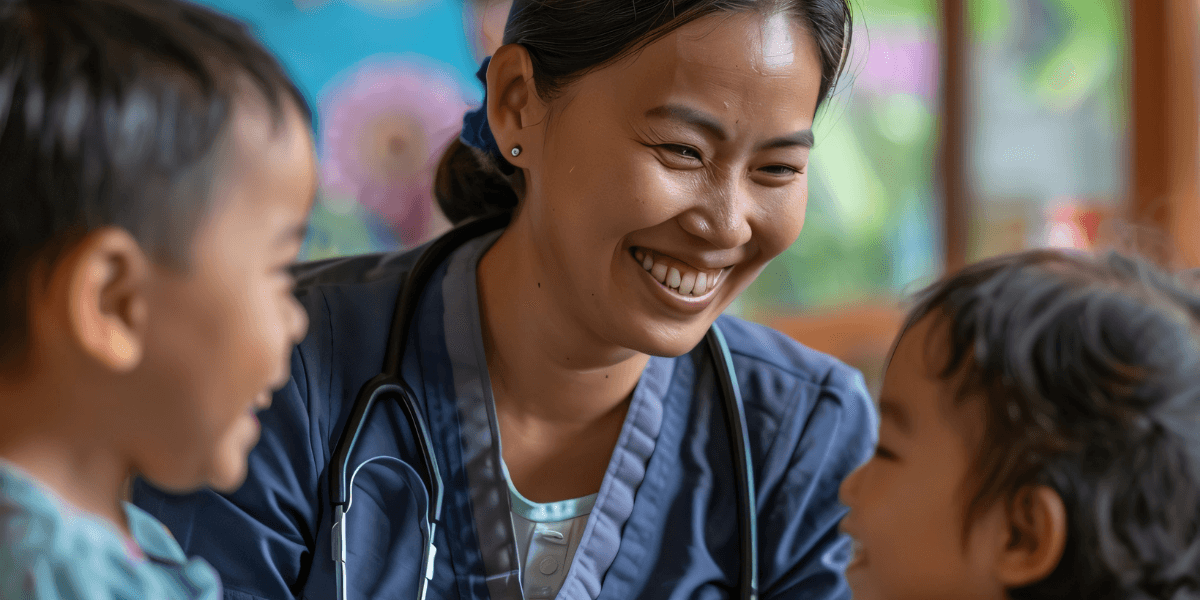
Across the United States, hospitals, clinics, educational institutions, and community health organizations are observing National Nurses Week, an annual celebration dedicated to honoring the contributions of nurses and their essential role in the healthcare system. The weeklong recognition highlights the dedication, skill, and compassion that nurses bring to patient care and public health every day.
Rooted in the legacy of Florence Nightingale, considered the founder of modern nursing, the observance serves as both a celebration and a reflection of the evolving responsibilities of nursing professionals. Today, nurses work across a wide range of settings, including emergency rooms, intensive care units, community clinics, schools, and research institutions, playing a critical role in both direct patient care and broader health education efforts.
Healthcare institutions across major cities and rural communities alike have organized appreciation events, award ceremonies, and professional development workshops. Many hospitals are recognizing outstanding nurses for their leadership, compassion, and commitment to patient safety. In addition, wellness programs and support initiatives are being emphasized to help healthcare workers manage stress and maintain balance in demanding environments.
A key focus of these celebrations is strengthening the nursing workforce for the future. Hospitals and universities are collaborating to encourage more students to pursue careers in nursing through scholarships, mentorship programs, and hands-on training opportunities. Nursing schools are also showcasing advancements in simulation-based learning and digital healthcare tools that are transforming how students prepare for clinical practice.
In recent years, the role of nurses has expanded significantly. Beyond traditional bedside care, many nurses are now involved in telehealth services, public health campaigns, chronic disease management, and healthcare policy development. Their work has become increasingly important in addressing healthcare access challenges and improving outcomes in underserved communities.
Public appreciation for nurses has also grown, with communities expressing gratitude through events, social media campaigns, and personal messages. Patients and families often share stories of nurses who provided comfort, guidance, and expert care during critical moments. These personal accounts highlight the strong emotional connection between nurses and the people they serve.
At the same time, healthcare leaders acknowledge ongoing challenges within the profession. Staffing shortages, workplace stress, and high patient demands continue to place pressure on nursing teams. In response, many healthcare organizations are introducing initiatives focused on mental health support, flexible scheduling, and improved workplace conditions to help retain skilled professionals and support their well-being.
Professional nursing organizations continue to advocate for stronger support systems within the healthcare industry. Key priorities include safe staffing levels, expanded training opportunities, and fair compensation. These efforts aim to ensure that nurses are equipped with the resources they need to provide high-quality care while maintaining sustainable working conditions.
Despite these challenges, the overall tone of Nurses Week remains positive and forward-looking. The observance serves as a reminder of the essential role nurses play in strengthening healthcare systems and supporting communities nationwide. Their contributions extend beyond hospitals and clinics, influencing public health, education, and emergency preparedness.
As celebrations continue, healthcare institutions emphasize the importance of long-term investment in nursing education and workforce development. Strengthening the profession is seen as vital to meeting the growing healthcare needs of the population and ensuring access to quality care for all communities.
Additionally, innovation in healthcare technology is helping nurses deliver more efficient and personalized care. Digital health records, remote monitoring tools, and AI-assisted diagnostics are increasingly integrated into clinical workflows, allowing nurses to spend more time on direct patient interaction. These advancements are also improving coordination between healthcare teams and enhancing overall patient safety and treatment outcomes.

Democrat Digest Contributor
This article features partner, contributor, or branded content from a third party. Members of the Democrat Digest editorial staff were not involved in the creation of this content. All views and opinions are those of the contributor alone.
You May Also Like

Meta’s Facebook And Instagram Outage Disrupts Thousands Of Users Across The United States

Great Miami Hurricane Centennial Highlights A Century Of Progress In Storm Forecasting

Great Miami Hurricane Centennial Highlights A Century Of Progress In Storm Forecasting

NOAA Report Shows Record U.S. Summer Heat Deepening Drought And Wildfire Risks

Record-Breaking U.S. Summer Highlights Growing Challenge of Extreme Heat