
Dangerous Heat Wave Raises Wildfire Concerns Across the Western United States
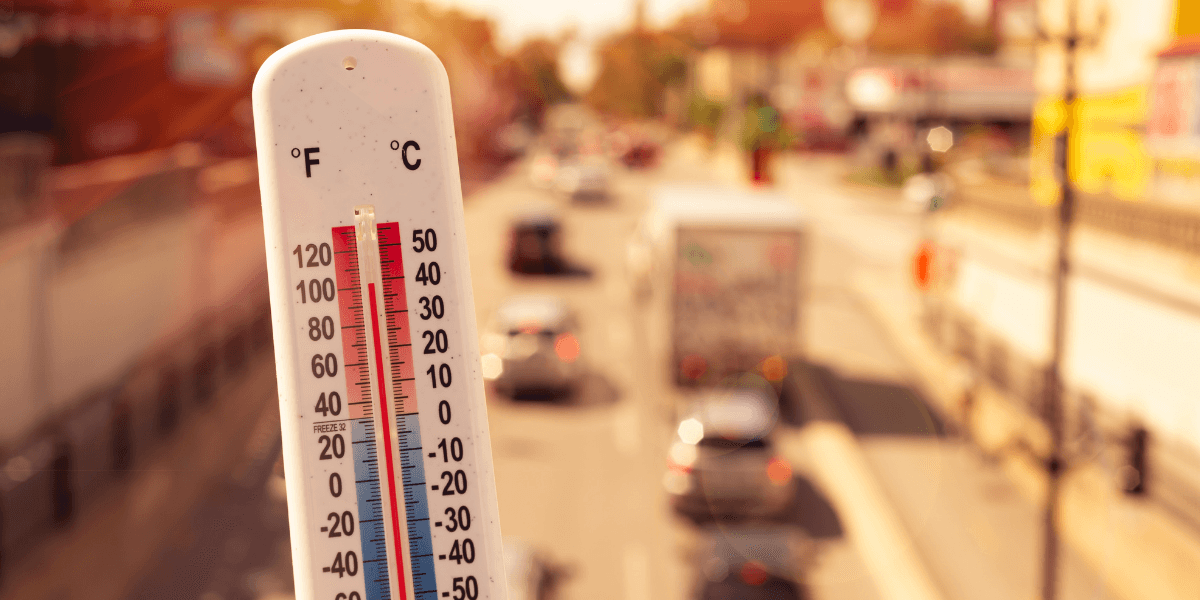
A widespread and dangerous heat wave intensified across much of the western United States on July 11, 2026, bringing extreme temperatures, elevated wildfire danger, and renewed public safety concerns for millions of residents. Weather officials warned that a persistent high-pressure system, commonly known as a “heat dome,” is expected to keep temperatures well above seasonal averages through the weekend, while dry conditions and gusty winds increase the likelihood of rapidly spreading wildfires in several states.
The National Weather Service issued numerous heat-related alerts across portions of California, Arizona, Nevada, Utah, Idaho, Montana, Wyoming, Oregon, and Washington. Many communities were forecast to experience daytime highs exceeding 100 degrees Fahrenheit, while some desert regions faced temperatures approaching or surpassing 110 degrees. Equally concerning, overnight temperatures were expected to remain unusually warm, limiting opportunities for people and infrastructure to recover from prolonged daytime heat.
Meteorologists explained that the heat dome traps hot air beneath a stable layer of high atmospheric pressure. As the air sinks, it compresses and warms further, creating a prolonged period of intense heat. Unlike brief warm spells, these systems can persist for several days, placing additional stress on public health, electrical grids, transportation infrastructure, and emergency response agencies.
The extreme weather also contributed to significantly higher wildfire risk throughout drought-affected portions of the West. Dry vegetation, low humidity, and strong afternoon winds created favorable conditions for fires to ignite and spread rapidly. On July 11, firefighters responded to a fast-growing wildfire in northeastern Los Angeles County that prompted evacuation orders and warnings for nearby communities. Emergency officials established shelters for displaced residents while crews worked to contain the blaze under difficult weather conditions.
Fire management agencies emphasized that even small ignition sources, including unattended campfires, discarded cigarettes, sparks from equipment, or vehicle-related incidents, could quickly develop into dangerous wildfires under current conditions. Residents in high-risk areas were encouraged to remain alert for changing evacuation notices and to prepare emergency plans if necessary.
Beyond wildfire concerns, public health officials continued to stress the dangers associated with prolonged exposure to extreme heat. High temperatures can increase the risk of heat exhaustion and heat stroke, particularly for older adults, young children, outdoor workers, individuals with chronic medical conditions, and those without reliable access to air conditioning.
Health experts recommend drinking water regularly, limiting strenuous outdoor activities during the hottest part of the day, wearing lightweight clothing, and checking on vulnerable family members, neighbors, and pets. Communities across affected states also reminded residents to never leave children or animals unattended inside parked vehicles, where temperatures can rise to dangerous levels within minutes.
Utilities and energy providers monitored electricity demand closely as air conditioning use surged throughout the region. While utilities worked to maintain reliable service, officials encouraged consumers to conserve energy when possible by adjusting thermostats slightly, using major appliances during cooler evening hours, and reducing unnecessary electricity consumption during peak demand periods.
Transportation agencies also advised travelers to prepare for challenging conditions. Extreme heat can soften pavement, increase the likelihood of vehicle overheating, and contribute to tire failures during long-distance travel. Drivers were encouraged to carry drinking water, inspect cooling systems before extended trips, and avoid unnecessary travel during the hottest afternoon hours whenever practical.
Scientists note that heat waves have become an increasingly significant hazard across many regions of the United States. While individual weather events are influenced by multiple atmospheric factors, researchers continue to study long-term trends showing that periods of extreme heat are becoming more frequent and, in many areas, more intense. These changing conditions have prompted growing attention to community preparedness, infrastructure resilience, emergency planning, and public health strategies aimed at reducing heat-related risks.
Emergency management agencies emphasized that preparation remains one of the most effective ways to reduce impacts during prolonged heat events. Staying informed through official weather forecasts, understanding local evacuation procedures in wildfire-prone communities, and recognizing the symptoms of heat-related illness can help individuals respond quickly if conditions worsen.
As forecasts indicated that dangerous temperatures would continue into the coming week across portions of the West and northern Plains, officials urged residents to remain cautious and monitor updates from local emergency management and weather agencies. The combination of exceptional heat, dry vegetation, and elevated fire danger serves as a reminder that extreme summer weather can affect communities in multiple ways, requiring coordinated efforts from emergency responders, public utilities, healthcare providers, and residents alike.
Although weather conditions will eventually moderate, experts caution that periods of intense summer heat are likely to remain an important seasonal challenge. Continued public awareness, early preparation, and adherence to official safety guidance can help reduce health risks, protect property, and improve community resilience during future extreme weather events.
Dangerous Heat Wave Raises Wildfire Concerns Across the Western United States
A widespread and dangerous heat wave intensified across much of the western United States on July 11, 2026, bringing extreme temperatures, elevated wildfire danger, and renewed public safety concerns for millions of residents. Weather officials warned that a persistent high-pressure system, commonly known as a “heat dome,” is expected to keep temperatures well above seasonal averages through the weekend, while dry conditions and gusty winds increase the likelihood of rapidly spreading wildfires in several states.
The National Weather Service issued numerous heat-related alerts across portions of California, Arizona, Nevada, Utah, Idaho, Montana, Wyoming, Oregon, and Washington. Many communities were forecast to experience daytime highs exceeding 100 degrees Fahrenheit, while some desert regions faced temperatures approaching or surpassing 110 degrees. Equally concerning, overnight temperatures were expected to remain unusually warm, limiting opportunities for people and infrastructure to recover from prolonged daytime heat.
Meteorologists explained that the heat dome traps hot air beneath a stable layer of high atmospheric pressure. As the air sinks, it compresses and warms further, creating a prolonged period of intense heat. Unlike brief warm spells, these systems can persist for several days, placing additional stress on public health, electrical grids, transportation infrastructure, and emergency response agencies.
The extreme weather also contributed to significantly higher wildfire risk throughout drought-affected portions of the West. Dry vegetation, low humidity, and strong afternoon winds created favorable conditions for fires to ignite and spread rapidly. On July 11, firefighters responded to a fast-growing wildfire in northeastern Los Angeles County that prompted evacuation orders and warnings for nearby communities. Emergency officials established shelters for displaced residents while crews worked to contain the blaze under difficult weather conditions.
Fire management agencies emphasized that even small ignition sources, including unattended campfires, discarded cigarettes, sparks from equipment, or vehicle-related incidents, could quickly develop into dangerous wildfires under current conditions. Residents in high-risk areas were encouraged to remain alert for changing evacuation notices and to prepare emergency plans if necessary.
Beyond wildfire concerns, public health officials continued to stress the dangers associated with prolonged exposure to extreme heat. High temperatures can increase the risk of heat exhaustion and heat stroke, particularly for older adults, young children, outdoor workers, individuals with chronic medical conditions, and those without reliable access to air conditioning.
Health experts recommend drinking water regularly, limiting strenuous outdoor activities during the hottest part of the day, wearing lightweight clothing, and checking on vulnerable family members, neighbors, and pets. Communities across affected states also reminded residents to never leave children or animals unattended inside parked vehicles, where temperatures can rise to dangerous levels within minutes.
Utilities and energy providers monitored electricity demand closely as air conditioning use surged throughout the region. While utilities worked to maintain reliable service, officials encouraged consumers to conserve energy when possible by adjusting thermostats slightly, using major appliances during cooler evening hours, and reducing unnecessary electricity consumption during peak demand periods.
Transportation agencies also advised travelers to prepare for challenging conditions. Extreme heat can soften pavement, increase the likelihood of vehicle overheating, and contribute to tire failures during long-distance travel. Drivers were encouraged to carry drinking water, inspect cooling systems before extended trips, and avoid unnecessary travel during the hottest afternoon hours whenever practical.
Scientists note that heat waves have become an increasingly significant hazard across many regions of the United States. While individual weather events are influenced by multiple atmospheric factors, researchers continue to study long-term trends showing that periods of extreme heat are becoming more frequent and, in many areas, more intense. These changing conditions have prompted growing attention to community preparedness, infrastructure resilience, emergency planning, and public health strategies aimed at reducing heat-related risks.
Emergency management agencies emphasized that preparation remains one of the most effective ways to reduce impacts during prolonged heat events. Staying informed through official weather forecasts, understanding local evacuation procedures in wildfire-prone communities, and recognizing the symptoms of heat-related illness can help individuals respond quickly if conditions worsen.
As forecasts indicated that dangerous temperatures would continue into the coming week across portions of the West and northern Plains, officials urged residents to remain cautious and monitor updates from local emergency management and weather agencies. The combination of exceptional heat, dry vegetation, and elevated fire danger serves as a reminder that extreme summer weather can affect communities in multiple ways, requiring coordinated efforts from emergency responders, public utilities, healthcare providers, and residents alike.
Although weather conditions will eventually moderate, experts caution that periods of intense summer heat are likely to remain an important seasonal challenge. Continued public awareness, early preparation, and adherence to official safety guidance can help reduce health risks, protect property, and improve community resilience during future extreme weather events.

Democrat Digest Contributor
This article features partner, contributor, or branded content from a third party. Members of the Democrat Digest editorial staff were not involved in the creation of this content. All views and opinions are those of the contributor alone.
You May Also Like

National Day Of Remembrance Brings Native Boarding School History Into Focus Across The United States

NASA And Boeing Set A New Course For Starliner With Uncrewed Flight And 2028 Astronaut Return
The Northeast Nor’easter Shows Why Weather Preparedness Must Become Part Of Everyday Life

America’s Flood Mapping Expansion Shows How Public Data Can Strengthen Community Resilience

NASA’s Fire Amoeba Discovery Is A Reminder That Science Still Has The Power To Surprise Us