
U.S. Climate Outlook Warns of High Likelihood of El Niño Developing by Summer 2026
A major U.S. environmental development highlighted by federal climate forecasters is the strong likelihood of El Niño forming by midsummer, with probabilities estimated in the low-to-mid 80 percent range. The outlook suggests the climate pattern could persist into the cooler months and influence weather conditions across much of the country. Meteorologists note that El Niño events often alter temperature and precipitation patterns, making seasonal planning more complex for government agencies, industries, and communities.
El Niño is a naturally occurring climate phenomenon driven by warming ocean surface temperatures in the central and eastern Pacific Ocean. When these waters shift warmer than average, they can disrupt atmospheric circulation patterns and influence weather globally, including in the United States. In typical El Niño years, the southern U.S. often experiences wetter-than-average conditions during cooler seasons, while parts of the northern states may see milder winters. However, outcomes vary depending on the strength and timing of the event.
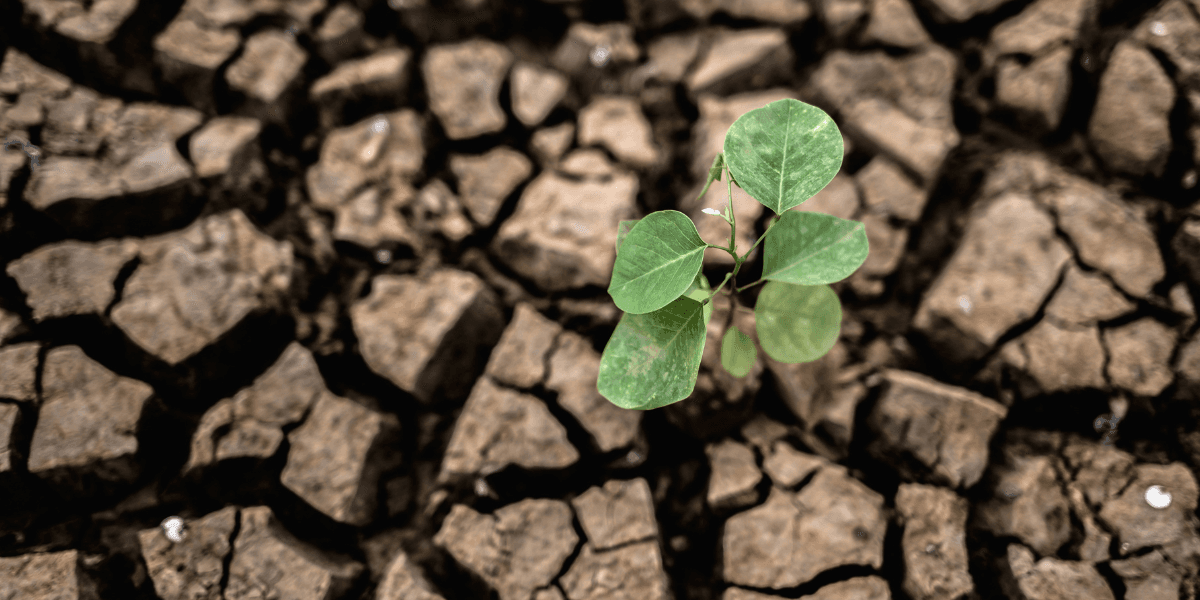
At present, large parts of the United States are experiencing unusually dry conditions, with drought covering a significant portion of the country. Some regions have seen one of the driest starts to the year in recent records, while others are dealing with early-season heat waves. Snowpack levels in western mountain ranges are also below average, raising concerns about water availability heading into summer. These overlapping conditions increase the importance of understanding how a developing El Niño could interact with existing environmental stress.
Potential impacts of El Niño in the United States vary by region but often include shifts in rainfall patterns, increased storm activity in some areas, and drier conditions elsewhere. For agriculture, these changes can affect planting schedules, crop yields, and irrigation demand, especially in already water-stressed regions. Wildfire risk is also a concern when warm, dry conditions persist before seasonal rains arrive. Scientists caution that while El Niño can bring relief to certain areas later in the year, short-term effects may intensify existing challenges.
Energy demand and public health considerations are also part of the broader discussion around this developing climate pattern. Warmer-than-average temperatures can increase electricity usage, particularly for cooling in urban areas, placing strain on power grids during peak demand periods. At the same time, extended heat events can pose risks to vulnerable populations, including older adults and those without reliable access to air conditioning. Officials often use seasonal climate forecasts like this one to prepare infrastructure and emergency response systems in advance.
The broader context for this outlook is a climate system that has shown increasing variability and a tendency toward more extreme temperature events in recent years. While El Niño is a recurring natural cycle, scientists emphasize that its impacts can be amplified when combined with long-term warming trends. This combination can lead to more intense heat waves, drought stress, and shifting precipitation patterns that affect multiple sectors across the country.
Overall, the forecast underscores the importance of preparedness as the country moves into the summer season. While the exact outcomes will vary by region, the signal from climate models suggests a higher likelihood of weather volatility and increased strain on water and energy systems. Continued monitoring and adaptive planning will be key themes in the months ahead.
For policymakers, emergency managers, and communities, the emerging El Niño outlook serves as an early signal to review preparedness plans ahead of potential seasonal changes. Water management systems, wildfire response strategies, and energy infrastructure may all require adjustments depending on how conditions evolve through the rest of the year. The coming months will likely determine whether the developing climate pattern provides partial relief or instead intensifies existing environmental pressures across vulnerable regions.
As a result, continued observation and data-driven planning remain essential for reducing disruption and improving resilience at national and local levels.
Experts emphasize that while seasonal forecasts provide useful guidance, they do not determine exact weather outcomes at the local level. Public awareness and proactive planning therefore play an important role in reducing risk and improving preparedness across communities nationwide.

Democrat Digest Contributor
This article features partner, contributor, or branded content from a third party. Members of the Democrat Digest editorial staff were not involved in the creation of this content. All views and opinions are those of the contributor alone.
You May Also Like

National Day Of Remembrance Brings Native Boarding School History Into Focus Across The United States

NASA And Boeing Set A New Course For Starliner With Uncrewed Flight And 2028 Astronaut Return

The Northeast Nor’easter Shows Why Weather Preparedness Must Become Part Of Everyday Life
America’s Flood Mapping Expansion Shows How Public Data Can Strengthen Community Resilience

NASA’s Fire Amoeba Discovery Is A Reminder That Science Still Has The Power To Surprise Us