
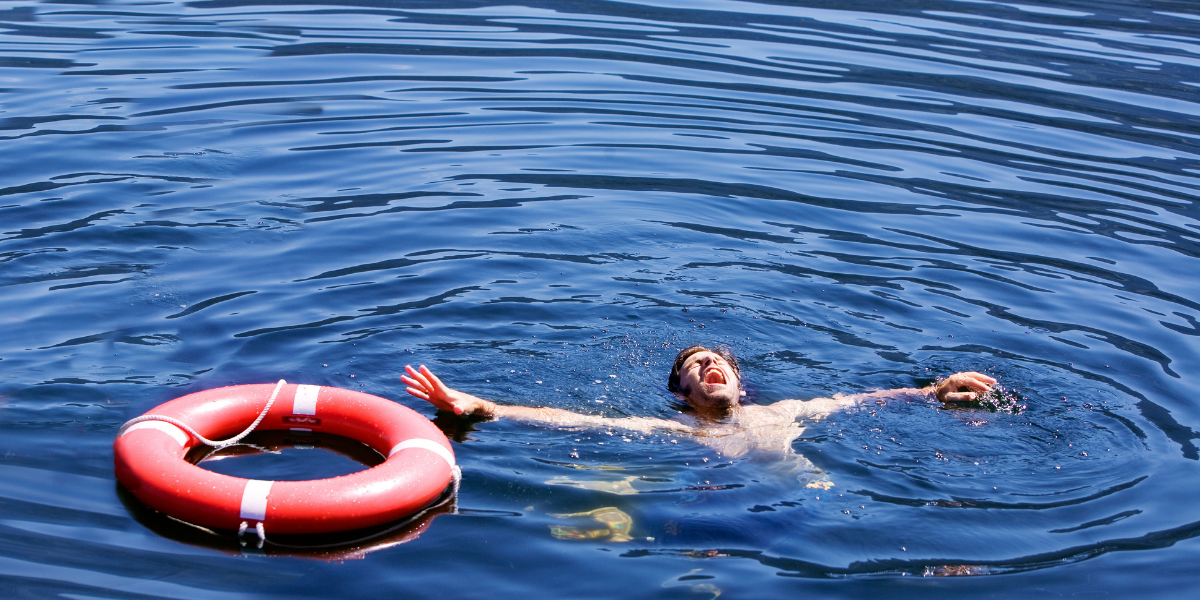
Communities across the United States observed World Drowning Prevention Day on July 25, 2026, by promoting water safety education, swim instruction, and lifesaving awareness during one of the busiest periods of the summer recreation season. Public agencies, nonprofit organizations, first responders, and local community groups used the annual observance to encourage families to take practical steps that can reduce the risk of drowning and other water-related emergencies.
Established by the United Nations in 2021, World Drowning Prevention Day is observed every July 25 to highlight drowning as a preventable public health issue. In the United States, the day has increasingly become an opportunity for local governments, YMCAs, parks departments, hospitals, and water safety organizations to host educational events and share resources aimed at preventing tragic accidents in pools, lakes, rivers, and coastal waters.
This year’s observance came as millions of Americans continued to enjoy summer vacations, community pools, beaches, and recreational waterways. Safety experts emphasized that while swimming and boating provide valuable opportunities for recreation and exercise, preparation and supervision remain essential. Many organizations used the occasion to remind families that drowning incidents often occur quickly and quietly, without the dramatic signs commonly portrayed in movies or television.
Across the country, community organizations hosted swimming demonstrations, water safety workshops, and educational events for children and parents. These programs brought together certified instructors, first responders, and local volunteers to teach safe swimming habits, proper supervision techniques, and emergency response skills. Organizers also highlighted the value of structured swim instruction, noting that learning basic swimming and water survival skills can significantly reduce the risk of drowning among children.
Public health experts continue to identify drowning as one of the leading causes of accidental injury-related deaths among children in the United States. Young children are especially vulnerable around residential swimming pools, while older children, teenagers, and adults face additional risks in lakes, rivers, and coastal waters where changing currents, underwater hazards, and limited visibility can create dangerous conditions.
Water safety advocates stress that preventing drowning requires multiple layers of protection rather than relying on a single precaution. Active adult supervision remains the most important safeguard for young swimmers. Parents and caregivers are encouraged to stay within arm’s reach of young children in or near the water and to avoid distractions such as mobile phones while supervising.
Swimming lessons are another important component of water safety. Experts recommend enrolling children in age-appropriate swim programs that teach not only swimming techniques but also water survival skills. Adults who have never learned to swim are also encouraged to consider instruction, as basic swimming ability can improve confidence and safety during recreational activities.
Another key message shared during World Drowning Prevention Day is that strong swimming ability alone does not eliminate risk. Weather conditions, powerful currents, cold water temperatures, fatigue, and unexpected emergencies can challenge even experienced swimmers. Officials recommend swimming only in designated areas where lifeguards are present whenever possible and paying close attention to warning flags, posted advisories, and changing weather conditions.
Life jackets also play a vital role in preventing drowning. Safety officials encourage everyone participating in boating, kayaking, canoeing, paddleboarding, or other water sports to wear a properly fitted U.S. Coast Guard-approved life jacket. Wearing a life jacket provides an added layer of protection, particularly for children and individuals who may unexpectedly enter deep or moving water.
Education efforts extended beyond swimming pools and beaches. Community organizations used public demonstrations, educational materials, and outreach events to teach residents how to recognize the signs of someone in distress and how to respond safely. Experts emphasized that rescuers should avoid entering dangerous water unless properly trained and instead use available rescue equipment while immediately contacting emergency services.
Parents were also encouraged to establish clear water safety rules before visiting pools, lakes, or beaches. Recommendations included assigning a designated adult to supervise children, avoiding alcohol during water-based recreation, checking local weather forecasts before boating or swimming, and ensuring that children never swim alone. These simple precautions can greatly reduce the likelihood of preventable accidents.
Another focus of this year’s observance was expanding access to swimming lessons and water safety education in underserved communities. Many organizations continue working to increase the availability of affordable swim instruction, recognizing that equal access to swimming education can help reduce disparities in water safety knowledge. Partnerships among schools, recreation departments, nonprofit organizations, and community centers have helped introduce more children and families to lifesaving skills that can benefit them for years to come.
The annual observance also serves as a reminder that water safety is a shared responsibility. Families, educators, recreation providers, healthcare professionals, and community leaders all contribute to creating safer environments around pools and natural waterways. By promoting awareness and encouraging responsible behavior, communities can work together to reduce preventable drowning incidents while allowing families to safely enjoy outdoor recreation during the summer.
As Americans continue to spend time at beaches, lakes, rivers, and swimming pools throughout the season, World Drowning Prevention Day highlights the importance of preparation, education, and vigilance. Although no single measure can eliminate every risk, experts agree that combining active supervision, swimming education, proper safety equipment, and community awareness provides the strongest defense against drowning.
The observance reinforces a simple but powerful message: drowning is largely preventable. Through continued public education, expanded access to swimming instruction, and consistent water safety practices, communities across the United States are helping protect lives and ensure that summer recreation remains both enjoyable and safe for people of all ages.