
Severe Flooding in Central Texas Prompts Large-Scale Rescue Effort and Renewed Focus on Flood Preparedness
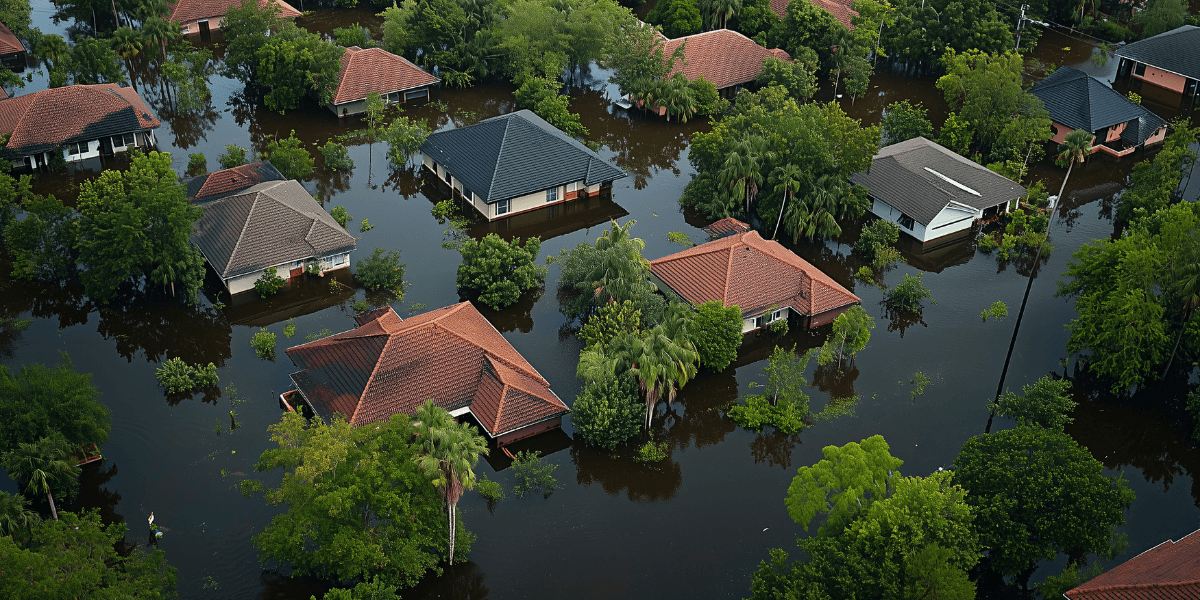
Communities across Central Texas faced dangerous flooding on July 17, 2026, after heavy rainfall caused rivers to rise rapidly, inundated neighborhoods, and forced hundreds of emergency rescues. State and local officials confirmed multiple fatalities as floodwaters swept through parts of the Texas Hill Country, while emergency crews worked throughout the day to assist stranded residents and evacuate those in high-risk areas. The event became one of the most significant weather emergencies in the United States that day and highlighted the continued importance of flood preparedness in vulnerable regions.
The severe weather developed after intense rainfall moved across Central Texas, overwhelming rivers, creeks, and drainage systems. Water levels rose quickly, leaving little time for some residents to react as roads became impassable and neighborhoods were surrounded by floodwaters. Emergency responders were dispatched across several counties, using boats, helicopters, and specialized rescue vehicles to reach people trapped inside homes, vehicles, and other isolated locations.
Authorities urged residents to avoid unnecessary travel while flood warnings remained in effect. Officials repeatedly emphasized that driving through flooded roadways presents one of the greatest dangers during flash flooding, as even shallow moving water can carry away vehicles. Numerous highways and local roads were temporarily closed while crews assessed conditions and worked to ensure public safety.
The flooding primarily affected communities located along rivers and low-lying areas where heavy rainfall quickly translated into rapidly rising water levels. Emergency shelters were established to provide temporary housing for displaced families, while local governments coordinated with state agencies to distribute resources and assist affected communities. Search-and-rescue operations continued throughout the day as emergency personnel responded to hundreds of calls for assistance.
The Texas Hill Country has experienced several major flooding events in recent years, making emergency preparedness a continuing priority for local officials. Investments in improved weather monitoring, emergency communications, and coordinated rescue planning have strengthened response capabilities. During the July 17 event, these systems allowed emergency managers to mobilize thousands of first responders and deploy rescue equipment to the hardest-hit locations as conditions deteriorated.
Meteorologists warned that the flooding developed rapidly due to intense rainfall over already saturated ground. When soil cannot absorb additional water, runoff increases significantly, causing rivers and streams to rise much faster than normal. This combination of heavy precipitation and limited drainage capacity created hazardous conditions across multiple counties within a relatively short period.
Flooding remains one of the most dangerous natural hazards in the United States because it can occur with little warning and affect both urban and rural communities. Flash floods are especially hazardous because water levels may rise within minutes, reducing evacuation time and increasing risks for residents who delay seeking higher ground. Emergency officials consistently encourage people to monitor weather alerts and respond immediately when evacuation orders or flash flood warnings are issued.
The widespread rescue effort demonstrated the critical role of coordination among local, state, and federal emergency agencies. Rescue teams worked around the clock to reach stranded residents, while utility crews addressed power outages and public works departments began assessing damage to roads, bridges, and other infrastructure. Although some floodwaters began receding later in the day, officials cautioned that additional rainfall could prolong recovery efforts and create new hazards in surrounding communities.
Beyond the immediate emergency response, the flooding renewed attention on long-term flood resilience. Communities across flood-prone regions continue investing in stronger drainage infrastructure, improved forecasting technology, expanded public warning systems, and community education programs. These measures are designed to reduce future risks while helping residents better prepare for severe weather events that can develop rapidly.
For individuals living in areas vulnerable to flooding, preparedness remains one of the most effective forms of protection. Emergency management agencies recommend maintaining an emergency supply kit with food, drinking water, medications, flashlights, batteries, important documents, and communication devices. Families are also encouraged to establish evacuation plans, identify safe shelter locations, and stay informed through official weather alerts during periods of severe weather.
The July 17 flooding serves as another reminder of how quickly extreme weather can disrupt communities and place lives at risk. While emergency responders successfully rescued hundreds of people, the event underscores the importance of remaining vigilant whenever flash flood warnings are issued. Public awareness, timely emergency communication, and coordinated disaster response continue to play essential roles in reducing the impact of severe flooding.
As recovery efforts continue, officials will assess damage to homes, businesses, transportation networks, and public infrastructure while supporting affected residents. The response also provides an opportunity for communities to evaluate emergency preparedness strategies and strengthen resilience against future flooding events. Although severe weather cannot always be prevented, effective planning, rapid emergency response, and informed public action remain among the most valuable tools for protecting lives and minimizing the consequences of natural disasters.

Democrat Digest Contributor
This article features partner, contributor, or branded content from a third party. Members of the Democrat Digest editorial staff were not involved in the creation of this content. All views and opinions are those of the contributor alone.
You May Also Like

“Could I Make Laws One Day?”: Amanda Matchett and the Power of Seeing Yourself in Leadership

National Day Of Remembrance Brings Native Boarding School History Into Focus Across The United States

NASA And Boeing Set A New Course For Starliner With Uncrewed Flight And 2028 Astronaut Return

The Northeast Nor’easter Shows Why Weather Preparedness Must Become Part Of Everyday Life

America’s Flood Mapping Expansion Shows How Public Data Can Strengthen Community Resilience