
Congress Advances Major Climate Resilience Funding as States Face Escalating Extreme Weather
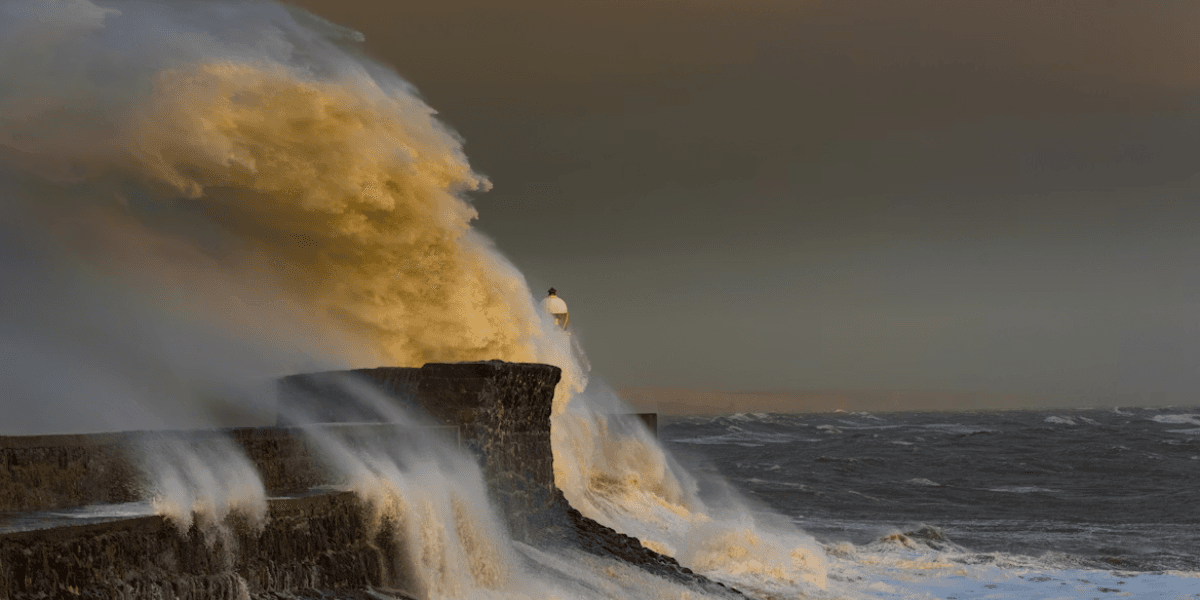
Federal lawmakers moved forward this week with a significant climate resilience funding package aimed at strengthening infrastructure, protecting vulnerable communities, and preparing the United States for increasingly severe weather events. The proposal, currently advancing through Congress, reflects growing concern among policymakers about the economic and human toll of climate-related disasters across the country.
The legislation focuses on expanding federal investment in disaster preparedness, modernizing infrastructure, and supporting local governments that face growing climate risks such as flooding, wildfires, hurricanes, and extreme heat. Lawmakers backing the measure say it represents a critical step toward safeguarding communities while strengthening long-term economic stability.
The proposal would allocate billions of dollars for projects designed to reduce climate-related damage before disasters occur. These investments include strengthening flood control systems, upgrading aging water infrastructure, improving wildfire prevention programs, and supporting coastal resilience projects in regions vulnerable to rising sea levels and stronger storms.
Supporters argue that proactive investment in climate adaptation is both fiscally responsible and essential for protecting communities that already face disproportionate risks from extreme weather. In recent years, the United States has experienced a growing number of weather-related disasters that each cause billions of dollars in damage, highlighting the increasing economic consequences of extreme weather events.
Democratic lawmakers have emphasized that climate resilience funding is especially important for low-income communities and communities of color, which often experience the most severe impacts from environmental hazards while having fewer resources to recover. Federal disaster recovery programs and environmental justice initiatives have increasingly focused on directing resources toward these vulnerable populations.
During congressional discussions, supporters of the proposal emphasized that communities across the country are already dealing with stronger storms, rising temperatures, and greater risks to public safety. They argue that federal investment in climate resilience not only protects infrastructure but also creates jobs in construction, environmental restoration, and clean energy industries.
Experts in disaster mitigation frequently point out that preventative investments can significantly reduce the long-term financial burden of recovery. Infrastructure improvements, better flood management systems, and wildfire prevention programs can reduce property damage, protect lives, and lower the cost of emergency response and rebuilding efforts.
In addition to infrastructure funding, the proposal includes resources to expand climate data collection and early warning systems. Federal agencies responsible for weather monitoring and disaster response would receive additional support to improve forecasting tools and emergency coordination. These systems help local officials provide faster alerts to residents when dangerous weather conditions develop.
Scientists have warned that rising global temperatures are contributing to more intense heat waves, stronger storms, and heavier rainfall events in many parts of the world. These environmental changes have placed increasing pressure on public infrastructure, emergency services, and local governments responsible for protecting communities during disasters.
The funding proposal also intersects with broader policy discussions about environmental justice and economic inequality. Progressive policy advocates have argued that climate investments should prioritize communities that have historically faced environmental hazards, including neighborhoods located near industrial sites or in flood-prone areas.
Environmental justice organizations have welcomed elements of the proposal that direct funding toward community-led projects, workforce training programs, and locally driven resilience planning. These initiatives aim to give municipalities and grassroots groups a greater role in shaping climate solutions that reflect the needs of residents and workers.
While some lawmakers have raised concerns about federal spending levels, supporters argue that the financial cost of climate disasters has already placed a heavy burden on government budgets. Disaster recovery spending has increased significantly in recent years as extreme weather events have become more frequent and destructive.
Policy analysts note that the growing focus on climate resilience reflects a broader shift in national climate policy discussions. In addition to reducing greenhouse gas emissions, policymakers are increasingly emphasizing the importance of helping communities adapt to environmental changes that are already underway.
As Congress continues negotiations over the final funding package, the outcome could shape how the United States prepares for environmental challenges in the coming decades. The debate highlights how climate policy now intersects with economic development, infrastructure modernization, and social justice, issues that remain central to the evolving national political landscape.

Democrat Digest Contributor
This article features partner, contributor, or branded content from a third party. Members of the Democrat Digest editorial staff were not involved in the creation of this content. All views and opinions are those of the contributor alone.
You May Also Like

“Could I Make Laws One Day?”: Amanda Matchett and the Power of Seeing Yourself in Leadership

National Day Of Remembrance Brings Native Boarding School History Into Focus Across The United States

NASA And Boeing Set A New Course For Starliner With Uncrewed Flight And 2028 Astronaut Return

The Northeast Nor’easter Shows Why Weather Preparedness Must Become Part Of Everyday Life
America’s Flood Mapping Expansion Shows How Public Data Can Strengthen Community Resilience