
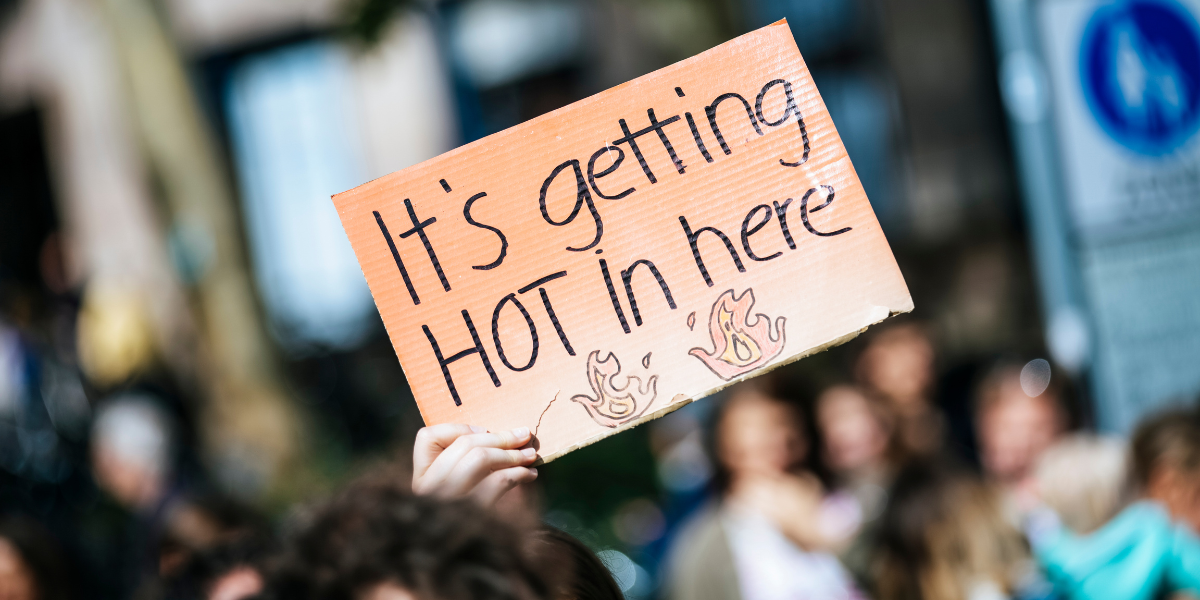
A historic early‑season heat wave has smashed temperature records across the western United States this week, generating public health alerts, straining local infrastructure, and underscoring the tangible impacts of a warming climate. Multiple states have reported unprecedented highs for March, with scientists asserting that such an event would have been virtually impossible without human‑driven climate change.
Unprecedented Temperatures Across the West
Record‑breaking temperatures have been observed in states from Arizona to California, with several locations recording triple‑digit heat in mid‑March. Four desert locales near the California‑Arizona border hit 112 °F (44.4 °C), marking the highest March temperatures ever documented in U.S. history. Major urban centers such as Phoenix and Los Angeles have experienced prolonged periods of daytime highs that rival typical summer readings well ahead of the seasonal norm. Forecast models show the extreme heat extending eastward into the Plains and Midwest by the end of the week.
Scientific Attribution and Climate Change Linkages
Meteorological and climate attribution groups have emphasized that the intensity and early timing of this heat wave are unprecedented in the historical record. Experts note that a persistent high‑pressure system, known as a “heat dome,” has trapped intense sunlight and suppressed cooling overnight, compounding heat accumulation over a large geographic area. The resulting anomaly has pushed average regional temperatures 20–30 °F (11–17 °C) above typical March norms.
Public and Environmental Impacts
The extreme early heat poses immediate challenges to public health officials, energy grids, and vulnerable populations, particularly older adults, outdoor workers, and low‑income communities without consistent access to air conditioning. Heat stress becomes more dangerous before populations are acclimated to high temperatures, raising risks of heat exhaustion and heat‑related illness.
Beyond health concerns, rapid warming is accelerating snowmelt in key watersheds in Colorado and the Sierra Nevada. Reduced snowpack this early in the year can diminish summer water availability for communities, agriculture, and ecosystems, heightening concerns about drought and water scarcity later in the season.
Climate scientists have also flagged the broader environmental implications, including an elevated risk of wildfires. Abnormally warm and dry conditions, paired with low snowpack, create fertile conditions for early fire ignition and spread. These factors, combined with shifting precipitation patterns, contribute to an extended wildfire season and increased danger to rural and urban‑wildland interface communities.
Policy, Preparedness, and Community Responses
Local and state agencies in affected regions have issued heat advisories and warnings, mobilizing emergency cooling centers and public messaging aimed at reducing heat‑related harm. Public health departments are coordinating responses that include hydration stations and outreach to at‑risk populations. Cities in the Southwest have also adjusted outdoor work guidelines and instituted flexible scheduling for summer‑style heat conditions.
This heat wave is occurring against a backdrop of ongoing national climate policy discussions, including debates over strengthening federal heat action plans and investing in infrastructure adaptation. Democratic‑led initiatives at the state and federal levels have been advocating for expanded climate resilience funding, improved urban design to combat heat islands, and accelerated emissions reductions to reduce future extremes.
Broader Context and Key Takeaways
Climate scientists have repeatedly pointed to increasing frequency and severity of extreme weather phenomena as a hallmark of modern climate change. Events like this March heat wave provide real‑time evidence of how warming trends translate into direct impacts on American lives, economies, and natural systems.
Key takeaways from the ongoing event include:
- Record breaking at an unusual time: Severe heat this early in the year defies conventional seasonal expectations and challenges infrastructure designed around historical weather norms.
- Health and equity concerns: Vulnerable communities face heightened risk from heat exposure, underscoring the need for targeted public health interventions.
- Environmental ripple effects: Accelerated snowmelt and increased wildfire risk indicate cascading effects that extend far beyond the initial temperature records.
- Climate policy urgency: The event adds urgency to climate resilience planning and emissions reduction strategies at federal, state, and local levels.
As Americans across the affected regions contend with this historic heat wave, the broader narrative of climate change and its societal ramifications continues to shape policy debates and civic engagement nationwide.
