
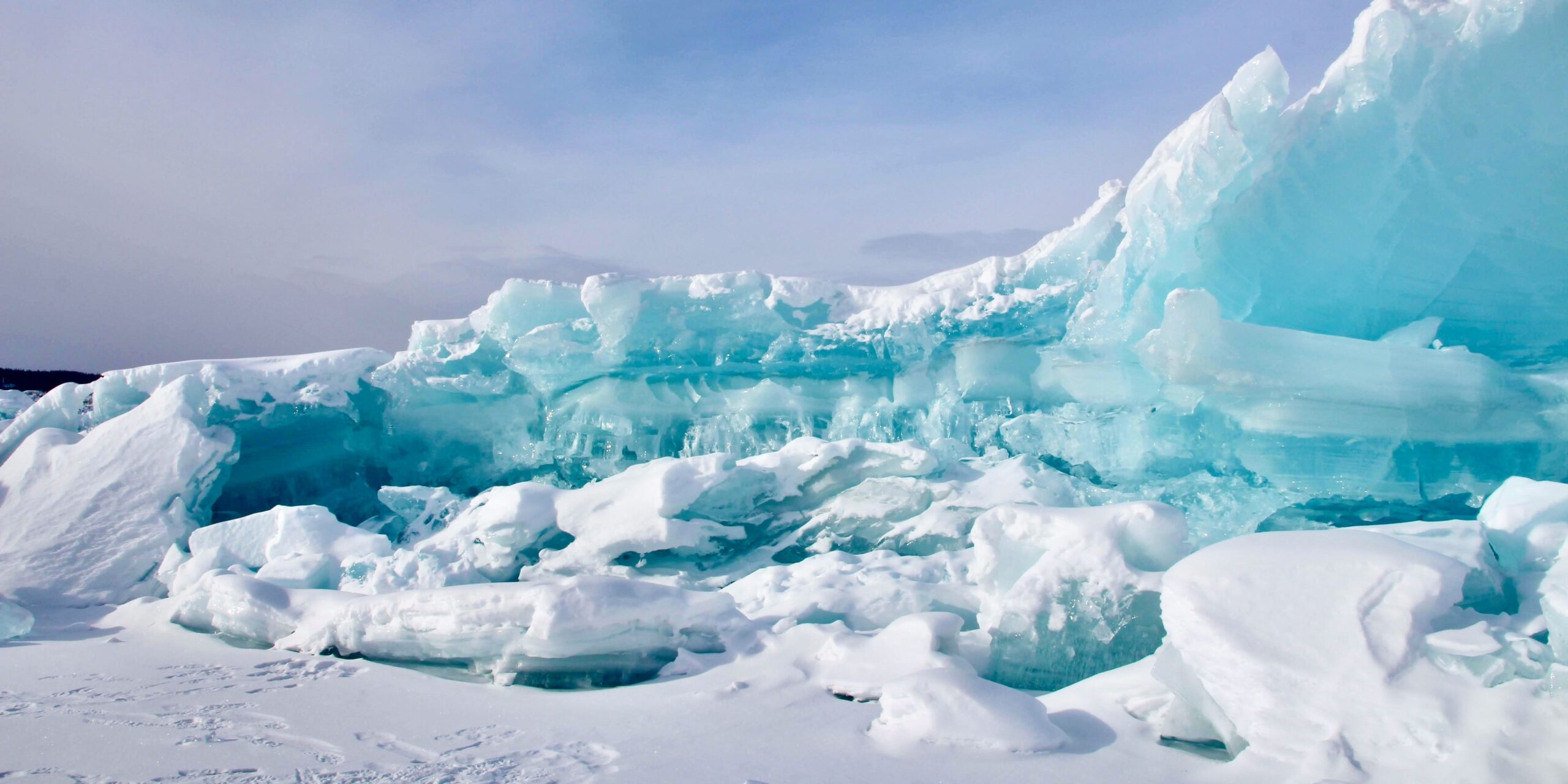
This week, scientists monitoring polar conditions reported that sea ice across the Arctic has reached “record low” levels for this time of year, raising fresh alarms about the potential impacts on global climate patterns as the northern hemisphere approaches winter. Data compiled by polar researchers indicates that ice extent across large portions of the Arctic, including the Barents Sea region, remains significantly below the average levels seen in the 2000s and 2010s. The decline in sea ice is a stark reminder of the ongoing environmental changes occurring in the polar regions, with far-reaching consequences for the global climate.
The Arctic’s shrinking ice is not an isolated phenomenon. Global surface temperature data also reveals a concerning trend of rising temperatures, with another wave of record-setting highs being observed around the world. These two factors—shrinking sea ice and increasing temperatures—are deeply interconnected, as the loss of ice causes a feedback loop that accelerates warming. The ice helps reflect sunlight back into space, and as it melts, darker ocean water absorbs more heat, further raising temperatures.
These developments are especially concerning for the upcoming winter in the U.S. and across the Northern Hemisphere. The National Weather Service (NWS) has already issued seasonal forecasts indicating that La Niña-linked weather patterns may lead to significant shifts in temperature and precipitation. La Niña, a climate phenomenon known for influencing weather patterns across the globe, is expected to bring colder and wetter conditions to some regions, while others may experience unseasonably warm temperatures.
Environmental analysts warn that the continued warming of the Arctic could destabilize climate systems across the Northern Hemisphere, increasing the likelihood of extreme weather events. These could include intense snowfall in some areas, while others might experience abrupt temperature swings, leading to unpredictable weather patterns. The uncertainty surrounding winter weather is concerning for many communities, especially those that have already been preparing for colder and wetter conditions based on prior forecasts.
As these shifts in climate continue to unfold, the urgency to adapt to these changes grows. Many communities, particularly those in regions with a history of severe winter weather, are calling for resilient infrastructure and climate-ready planning to help mitigate the potential impacts of more volatile and extreme weather events. The data highlighting the rapid changes in the Arctic underscores the need for swift action to address climate change, both in terms of reducing greenhouse gas emissions and improving preparedness for the challenges posed by a changing climate.
In summary, the record-low levels of Arctic sea ice this year, coupled with rising global temperatures, highlight the ongoing and accelerating effects of climate change. As scientists continue to monitor these trends, the implications for winter weather in the U.S. and Northern Hemisphere remain a serious concern, particularly given the unpredictable and extreme conditions that may arise. The situation calls for heightened attention to both global climate policies and local preparedness measures to help ensure communities are equipped to handle the challenges ahead.