
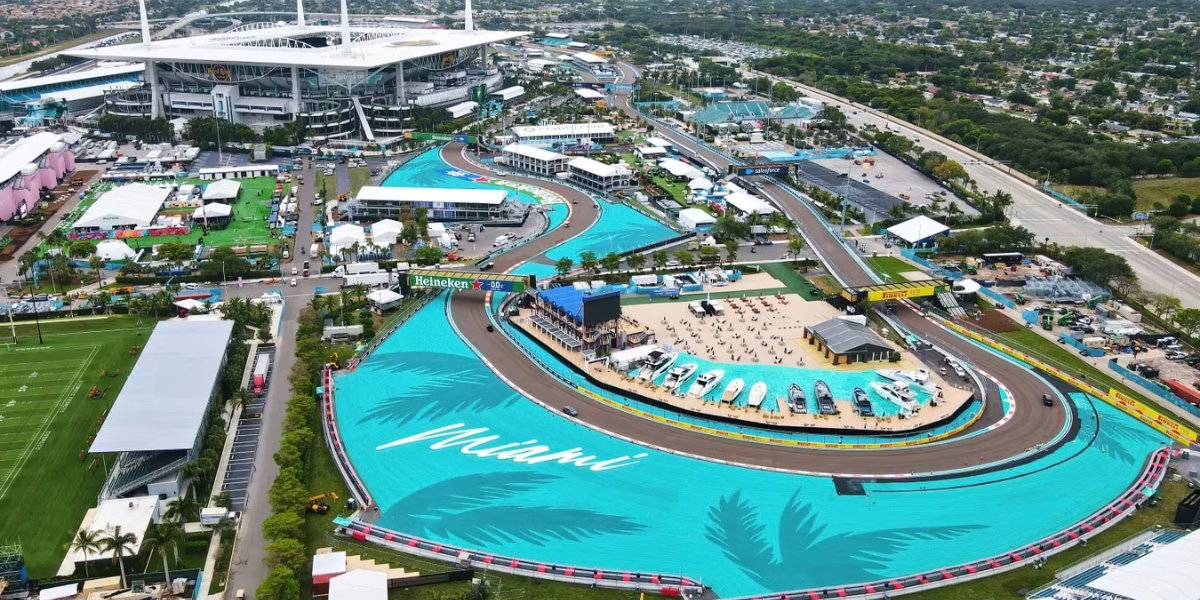
The 2026 Miami Grand Prix concluded Sunday as one of the most prominent international sporting events hosted in the United States this year, drawing global audiences and reinforcing the rapid rise of Formula 1 within the American sports landscape. Held at the Miami International Autodrome, the race showcased not only elite motorsport competition but also the increasing cultural and economic significance of Formula 1 across the country.
The Miami Grand Prix has evolved into a cornerstone event since its introduction earlier in the decade, symbolizing Formula 1’s strategic push into the U.S. market. With multiple American races now included in the annual calendar, the league has significantly expanded its footprint, attracting new fans and increasing engagement through modern broadcasting platforms.
A High-Profile Sporting Event
The 2026 race weekend featured a full slate of events, including practice sessions, qualifying rounds, a sprint race, and the main Grand Prix. The inclusion of sprint races, shorter, high-intensity competitions held prior to the main event, has been part of Formula 1’s broader effort to enhance viewer engagement and make race weekends more dynamic.
Fans in attendance experienced a blend of high-speed competition and large-scale entertainment, as the Miami Grand Prix continues to distinguish itself with a festival-like atmosphere. The event drew a diverse crowd, including international visitors, celebrities, and a growing base of American motorsport enthusiasts.
Expansion of Formula 1 in the U.S.
The continued success of the Miami Grand Prix reflects a broader transformation in how Americans engage with global sports. Once considered a niche interest in the U.S., Formula 1 has gained mainstream traction in recent years. This growth has been fueled by increased accessibility through streaming services, social media engagement, and targeted marketing campaigns aimed at younger audiences.
The sport’s presence in multiple U.S. cities, including Miami, Austin, and Las Vegas, has played a critical role in building regional fan bases. These events not only provide live racing experiences but also serve as entry points for new viewers discovering the sport through digital platforms.
Industry observers note that Formula 1’s expansion strategy in the United States has been deliberate and sustained, focusing on long-term audience development rather than short-term gains. The Miami Grand Prix stands as a clear example of this approach, combining competitive racing with large-scale entertainment and strong brand partnerships.
Economic Impact on South Florida
Beyond its sporting significance, the Miami Grand Prix continues to deliver substantial economic benefits to the region. Major events of this scale generate increased demand across multiple sectors, including hospitality, transportation, and retail. Hotels in the Miami area reported high occupancy rates throughout the race weekend, while local businesses experienced a surge in customer traffic.
Tourism officials have positioned the Grand Prix as a key annual event that enhances Miami’s reputation as a global destination for sports and entertainment. The influx of international visitors contributes not only to immediate economic activity but also to long-term tourism growth, as attendees often return for future visits.
Cultural Significance and Global Appeal
The Miami Grand Prix has also become a cultural event that extends beyond the racetrack. The weekend features concerts, brand activations, and exclusive gatherings that attract attention from across the entertainment and business sectors. This intersection of sports and culture reflects broader trends in how major events are designed to appeal to global audiences.
Formula 1’s emphasis on storytelling, highlighting drivers, teams, and rivalries, has helped deepen fan engagement in the U.S. market. The sport’s ability to combine technical excellence with personal narratives has made it more accessible to audiences who may be new to motorsport.
Operational and Safety Considerations
Organizing an event of this scale requires extensive planning and coordination. Officials implemented comprehensive safety measures for both drivers and spectators, including crowd management systems and emergency response protocols. Weather monitoring was also a key component of race preparation, given Florida’s seasonal climate conditions.
Despite these logistical challenges, the event proceeded smoothly, with full participation from teams and strong attendance throughout the weekend.
Implications for the U.S. Sports Industry
The success of the Miami Grand Prix highlights shifting trends within the American sports industry. As audiences increasingly seek diverse and globally connected experiences, international leagues like Formula 1 are finding new opportunities for growth in the U.S. market.
This trend is particularly evident among younger viewers, who are more likely to engage with sports through streaming platforms and social media. Formula 1’s digital-first approach aligns with these preferences, allowing the sport to build a strong presence beyond traditional television audiences.
Looking Ahead
With the Miami Grand Prix firmly established as a major event on the Formula 1 calendar, attention now turns to the remainder of the racing season and the continued expansion of the sport in North America. Organizers and stakeholders are expected to build on this momentum, refining fan experiences and exploring new ways to engage audiences.
The 2026 Miami Grand Prix serves as a clear indicator of how international sports are reshaping the U.S. entertainment landscape. By combining competition, culture, and technology, Formula 1 has positioned itself as a growing force in American sports, one that continues to attract attention both on and off the track.
