
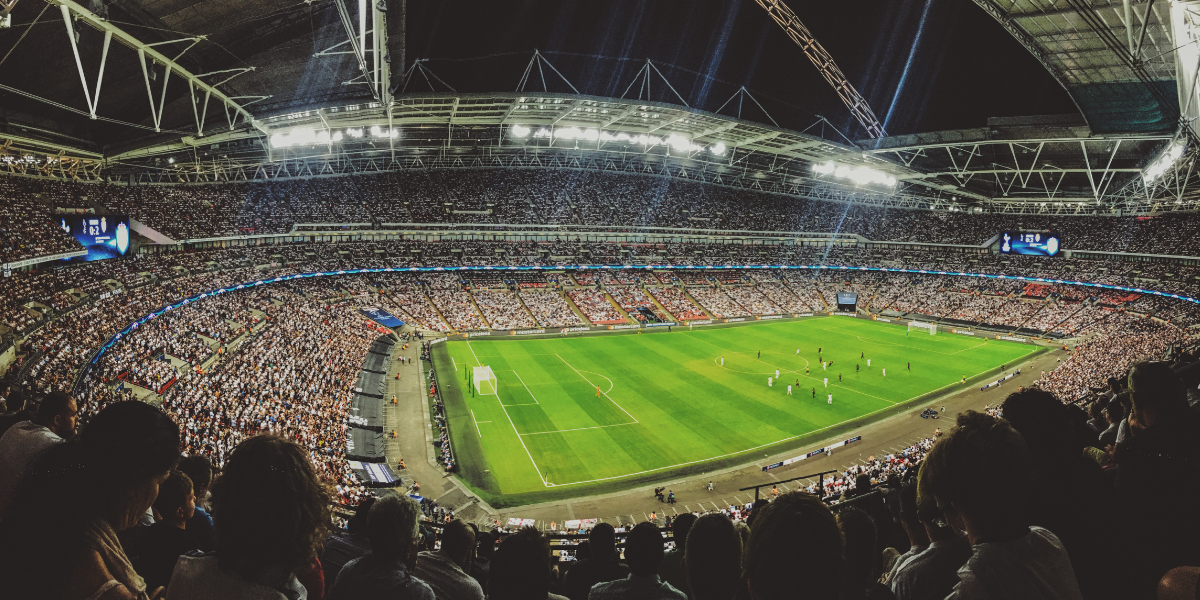
The United States marked a significant milestone in sports history on July 19, 2026, as MetLife Stadium in East Rutherford, New Jersey, hosted the FIFA World Cup Final. The championship match concluded the largest FIFA World Cup ever staged, bringing together fans from around the world for the tournament’s finale and highlighting the United States’ role as a co-host alongside Canada and Mexico.
The 2026 FIFA World Cup represented a historic expansion for international soccer. For the first time, 48 national teams competed in the tournament, increasing participation from previous editions and allowing more countries to qualify for the world’s biggest sporting event. Over several weeks, millions of spectators attended matches across North America, while billions more followed the competition through television and digital broadcasts.
Hosting the final in the United States was a landmark achievement for the country, which last hosted the men’s FIFA World Cup in 1994. Since then, soccer has experienced substantial growth across the nation. Major League Soccer has expanded into new markets, youth participation has steadily increased, and international tournaments have drawn consistently strong attendance. The 2026 World Cup reflected these developments by showcasing the United States as a major destination for global soccer.
MetLife Stadium, home to the NFL’s New York Giants and New York Jets, underwent extensive preparations before welcoming the championship match. Stadium officials, transportation agencies, public safety organizations, and event staff coordinated for months to accommodate tens of thousands of spectators. Additional transit services, security measures, and crowd management plans were implemented to ensure a smooth experience for fans traveling from around the world.
The tournament itself demonstrated the scale of international cooperation required to organize a global sporting event. Sixteen host cities across the United States, Canada, and Mexico welcomed teams and supporters, making the 2026 edition the first FIFA World Cup to be jointly hosted by three nations. The expanded format also required more venues, additional logistics, and broader coordination among local governments, tournament organizers, and transportation providers.
Beyond the competition on the field, the World Cup generated substantial economic activity for host communities. Hotels, restaurants, retail businesses, entertainment venues, and transportation providers experienced increased demand throughout the tournament. Many cities reported large numbers of domestic and international visitors, contributing to local tourism while showcasing regional attractions to a global audience.
The event also highlighted soccer’s growing influence in American culture. While football, basketball, baseball, and hockey remain among the country’s most popular professional sports, soccer has continued to attract expanding audiences. Youth leagues have grown significantly over the past two decades, and international competitions regularly draw large television audiences in the United States. Hosting the World Cup Final further underscored the sport’s increasing prominence within the American sports landscape.
For many communities, the tournament extended well beyond the stadiums themselves. Fan festivals, cultural celebrations, youth soccer clinics, and public viewing events allowed residents and visitors to participate even without match tickets. These activities emphasized the tournament’s role as both a sporting competition and a celebration of international culture, bringing together people from diverse backgrounds through a shared passion for soccer.
The successful staging of the World Cup Final may also leave a lasting legacy for American soccer. Large-scale international events often encourage continued investment in sports facilities, community programs, and youth development initiatives. Increased visibility can inspire new generations of athletes while strengthening interest in both professional and grassroots soccer throughout the country.
Infrastructure improvements made in preparation for the tournament may continue benefiting host communities after the event concludes. Transportation upgrades, venue enhancements, and operational experience gained through hosting one of the world’s largest sporting events can support future national and international competitions.
The 2026 FIFA World Cup also demonstrated the ability of North American partners to collaborate on an event of exceptional scale. With matches played across three countries, organizers successfully coordinated scheduling, travel, security, and fan engagement across multiple jurisdictions, setting a new benchmark for future international sporting tournaments.
As the final whistle marked the conclusion of the 2026 FIFA World Cup, the tournament left behind more than a championship trophy. It showcased the United States’ capacity to host one of the world’s premier sporting events, introduced millions of visitors to American communities, and reinforced soccer’s growing place in the nation’s sporting culture. The successful conclusion of the tournament is expected to influence future investments in the sport while strengthening the country’s reputation as a destination for major international events for years to come.