
NOAA Announces $700,000 in Extreme-Heat Planning and Research as U.S. Communities Face Rising Weather Risks

The National Oceanic and Atmospheric Administration announced $700,000 in new support Wednesday for extreme-heat planning and research, giving communities and researchers additional resources to prepare for one of the country's most persistent climate-related hazards.
The announcement comes as dangerous heat continues across portions of the United States. Federal forecasters said Wednesday that an intense late-summer heat wave affecting parts of the country is expected to shift toward the south-central United States during the coming days. The latest outlook also points to continuing heat risks across portions of the Great Plains and Southern Tier.
NOAA's new funding is divided between community planning and academic research. Ten communities will receive a combined $200,000 to develop manuals for extreme-heat response exercises, while $500,000 will support Duke University's Heat Policy Innovation Hub and its work examining the effects of extreme heat across multiple sectors.
The initiative illustrates an increasingly important aspect of climate policy: preparing communities for dangerous weather while improving the information available to policymakers, emergency managers and residents.
Preparing Communities Before Emergencies
Extreme heat can place pressure on multiple public systems at the same time. High temperatures can increase demand for electricity, complicate transportation, place additional demands on emergency services and create difficult conditions for people who lack reliable access to cooling.
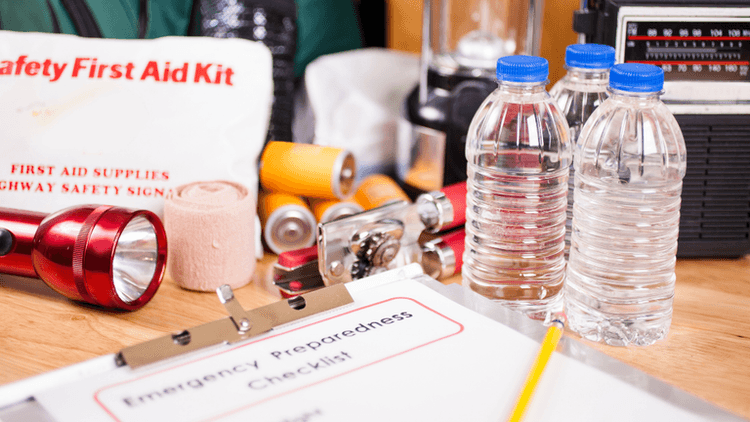
NOAA's community planning awards are intended to help local officials prepare for these challenges before an extreme event occurs.
The agency said the participating communities will develop manuals for conducting extreme-heat tabletop exercises. Such exercises allow officials and community organizations to work through hypothetical emergencies and identify weaknesses in existing response plans.
The approach is significant because effective disaster preparedness depends on coordination. Emergency managers, public health agencies, utilities, transportation officials and community organizations may all have different responsibilities during a prolonged heat event.
Testing those responsibilities in advance can help officials identify gaps in communication and response procedures before residents are facing dangerous temperatures.
Research Will Examine Wider Impacts
The larger portion of NOAA's funding will go toward research at Duke University's Heat Policy Innovation Hub.
The project is designed to examine how extreme heat affects areas including energy, health, transportation, agriculture, housing and labor. It will also focus on developing information that can be used by policymakers and the public.
This broader approach reflects the fact that extreme heat is not limited to a single policy area.
For example, a prolonged heat wave can increase electricity demand as households and businesses rely more heavily on air conditioning. At the same time, high temperatures can affect outdoor workers, transportation systems and agricultural operations.
Housing conditions can also influence how well people cope with extreme temperatures. Buildings with effective insulation and cooling systems can provide greater protection than structures that retain heat or lack adequate air conditioning.
Understanding these connections can help communities design policies that address several risks simultaneously rather than treating every heat-related problem separately.
Heat Risks Remain Across the United States
The federal investment arrives as the country continues to experience significant heat.
The National Weather Service's Weather Prediction Center said Wednesday that dangerous late-summer heat will shift into the south-central United States this weekend and continue into early next week. The agency also identified potential for heavier rainfall and localized flash flooding in parts of the Southwest as monsoonal moisture increases.
The Climate Prediction Center's latest hazards outlook likewise indicates that extreme heat already affecting parts of the Great Plains and Southern Tier could persist into the second week of September.
The current forecasts demonstrate why preparedness remains important even as summer begins to wind down. Heat risks do not necessarily end with the arrival of September, and weather patterns can vary significantly from one region to another.
A Policy Shift Toward Resilience
NOAA's announcement also reflects a broader evolution in climate policy. Government efforts increasingly focus not only on understanding long-term climate trends but also on helping communities respond to hazards that residents are experiencing now.
That means improving forecasts, expanding access to reliable climate information and ensuring that local governments have the tools necessary to incorporate that information into emergency planning.
The emphasis on tabletop exercises is particularly relevant because preparedness policies are most useful when they can be translated into practical procedures. A community may have an emergency plan on paper, but exercises can reveal whether agencies know who is responsible for communicating warnings, opening cooling locations, coordinating transportation or checking on vulnerable residents.
Research can complement those efforts by identifying which interventions are most effective and where additional resources may be needed.
Protecting Communities Through Better Planning
For policymakers, the announcement offers a straightforward lesson: extreme-weather preparedness requires investment before a crisis occurs.
Federal resources can help communities develop plans and improve their understanding of local heat risks, while local governments can adapt those tools to the needs of their residents.
The approach also underscores the importance of treating climate resilience as a cross-sector responsibility. Heat affects housing, energy, transportation, public services and workplaces, meaning that effective policy cannot be confined to environmental agencies alone.
As another period of dangerous heat develops across parts of the United States, NOAA's new investment places greater emphasis on preparation, research and practical decision-making.
The immediate challenge is managing the heat already affecting communities. The longer-term policy challenge is building systems capable of protecting residents as extreme-weather risks continue to evolve.
For communities preparing for future heat events, better information and tested response plans can provide an important foundation for protecting public safety and strengthening local resilience.

Democrat Digest Contributor
This article features partner, contributor, or branded content from a third party. Members of the Democrat Digest editorial staff were not involved in the creation of this content. All views and opinions are those of the contributor alone.
You May Also Like

“Could I Make Laws One Day?”: Amanda Matchett and the Power of Seeing Yourself in Leadership

National Day Of Remembrance Brings Native Boarding School History Into Focus Across The United States

NASA And Boeing Set A New Course For Starliner With Uncrewed Flight And 2028 Astronaut Return
The Northeast Nor’easter Shows Why Weather Preparedness Must Become Part Of Everyday Life

America’s Flood Mapping Expansion Shows How Public Data Can Strengthen Community Resilience