UN Security Council Faces Divisions on Ukraine Resolution Amid Escalating Conflict
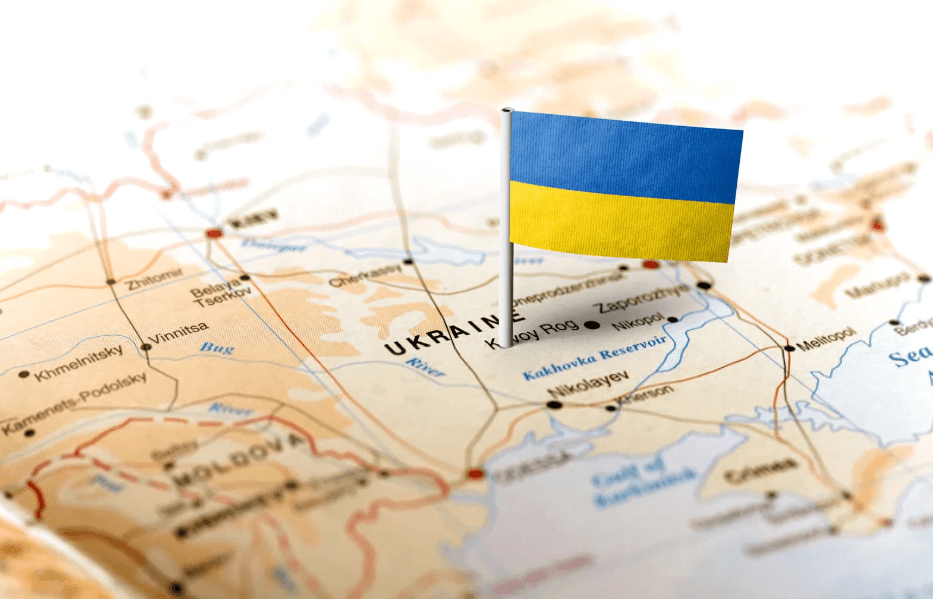
UN Security Council Meeting on Ukraine Conflict: A Divided Response
On a tumultuous Tuesday, the United Nations Security Council (UNSC) convened to address the ongoing conflict in Ukraine, yet divisions among member states hindered any unified course of action. The meeting was initiated at the request of Ukraine and its Western partners to discuss Russia’s renewed military offensive in the Donbas region and the consequential humanitarian crises that have erupted as a direct result of the war.
U.S. Ambassador to the UN, Linda Thomas-Greenfield, underscored the need for collective action, stating, “We cannot stand by while Russia continues its brutal aggression.” The call for action emphasized the Security Council’s obligation to ensure international peace and security, highlighting the gravity of the situation facing Ukraine.
Proposed Resolution and Veto by Russia
The meeting spotlighted a proposed resolution aimed at addressing the escalating conflict. Key components of the resolution included an immediate ceasefire, guaranteed humanitarian access, and reaffirmation of Ukraine’s territorial integrity by condemning Russia’s actions. However, the resolution faced immediate opposition, as Russia, a permanent member of the UNSC, exercised its veto, thereby stalling any potential progress. China abstained from voting, leaving Western nations to support the resolution, which illustrated the deepening geopolitical rift over the conflict.
Russian Ambassador Vasily Nebenzya dismissed the resolution, labeling it a “political tool” meant to discredit Moscow. He asserted that the West’s intentions were to escalate the conflict further rather than seek a resolution, claiming Russia’s military actions were necessary to safeguard ethnic Russians residing in Eastern Ukraine.
The Humanitarian Crisis Continues to Escalate
While diplomatic efforts stalled, the humanitarian crisis in Ukraine worsened significantly. The United Nations Office for the Coordination of Humanitarian Affairs (OCHA) reported alarming figures, indicating that over 12 million people required immediate assistance, facing severe shortages of essential resources such as food, water, and medical supplies in the conflict-affected areas. UN Under-Secretary-General Martin Griffiths articulated the dire situation, stating, “The people of Ukraine are paying the highest price for this conflict,” emphasizing the urgent need for humanitarian support and unimpeded access to those in need.
Reactions from Western Nations and Ukraine
The lack of decisive action from the Security Council has frustrated Western nations. British Foreign Secretary James Cleverly characterized Russia’s veto as “a shameful abuse of power,” while French Ambassador Nicolas de Rivière voiced concerns that the Council’s lack of action “undermines the credibility of the UN.” Ukrainian President Volodymyr Zelenskyy, addressing the Council remotely, called upon member states to adopt stronger measures, reflecting a sense of urgency in the face of ongoing aggression. “We cannot allow a world where aggressors act with impunity,” he said, urging the Council to uphold justice and peace.
Examining the Positions of Russia and China
Russia’s veto epitomizes its strategy of leveraging the Security Council to evade international accountability. In parallel, China’s abstention reflects its complex position, balancing neutrality with its diplomatic relationship with Moscow. Analysts have noted that while China positions itself as a potential mediator, its reluctance to alienate Russia restricts its ability to effectively facilitate resolutions to the conflict.
The Broader Implications for International Diplomacy
The inaction of the Security Council amid this crisis illuminates the broader challenges inherent in addressing conflicts involving permanent members with veto power. Critics argue that this structure renders the UN less effective in managing international crises, subsequently fueling calls for significant reforms. Richard Gowan, UN Director at the International Crisis Group commented, “This is yet another example of the UN’s structural limitations,” emphasizing that absent reforms to the veto system, the Council will likely remain ineffective on critical global issues.
Looking Ahead: What’s Next for Ukraine?
As the Security Council remains paralyzed, international focus is shifting toward alternative channels for support and potential aid for Ukraine. Western nations are expected to impose new sanctions against Russia and potentially announce additional military assistance for Ukraine in the imminent future. As the conflict escalates and diplomatic avenues appear increasingly tenuous, the divide among global powers widens, leaving minimal hope for a swift resolution to one of the most devastating wars in recent memory.
Conclusion
The recent meeting of the UNSC demonstrates the profound difficulties in galvanizing a united international response to the multifaceted crisis in Ukraine. With Russia’s continuous military operations and the dire humanitarian situation, the world watches anxiously as the potential for resolution seems increasingly fraught with conflict. The contrasting positions taken by key international players underscore the complexity of the political landscape surrounding this issue, making it imperative for diplomatic channels to continue explorations for peace despite the challenges.
FAQs
What is the current humanitarian situation in Ukraine?
The humanitarian crisis in Ukraine has escalated, with over 12 million people in urgent need of assistance, facing severe shortages of food, water, and medical supplies due to the ongoing conflict.
Why did Russia veto the proposed resolution in the UNSC?
Russia vetoed the resolution, dismissing it as a political tool aimed at vilifying Moscow, and claiming it sought to escalate the conflict rather than resolve it.
What measures are expected from Western nations following the UNSC meeting?
Western nations are anticipated to announce new sanctions on Russia and provide additional military aid to Ukraine in response to the ongoing conflict and the lack of UNSC action.
How does China’s position affect the conflict?
China’s abstention from the UNSC vote reflects a balancing act of maintaining neutrality while preserving strong ties with Russia, limiting its ability to play a constructive role in conflict resolution.
What are calls for reform within the UN about?
Critics argue that the veto power held by permanent members of the UNSC hampers the UN’s effectiveness in addressing global crises, prompting discussions about necessary reforms to improve its capability to respond to such conflicts.

Democrat Digest Contributor
This article features partner, contributor, or branded content from a third party. Members of the Democrat Digest editorial staff were not involved in the creation of this content. All views and opinions are those of the contributor alone.
You May Also Like
National Day Of Remembrance Brings Native Boarding School History Into Focus Across The United States

NASA And Boeing Set A New Course For Starliner With Uncrewed Flight And 2028 Astronaut Return
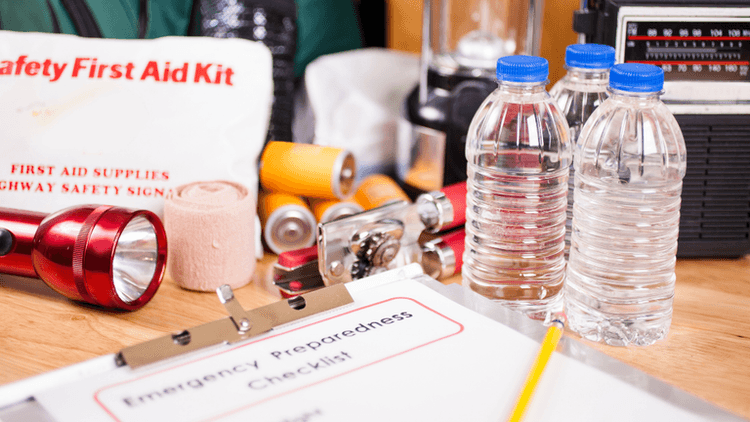
The Northeast Nor’easter Shows Why Weather Preparedness Must Become Part Of Everyday Life
America’s Flood Mapping Expansion Shows How Public Data Can Strengthen Community Resilience
NASA’s Fire Amoeba Discovery Is A Reminder That Science Still Has The Power To Surprise Us