
Wildfire Smoke from Canada Worsens Air Quality Across Midwest
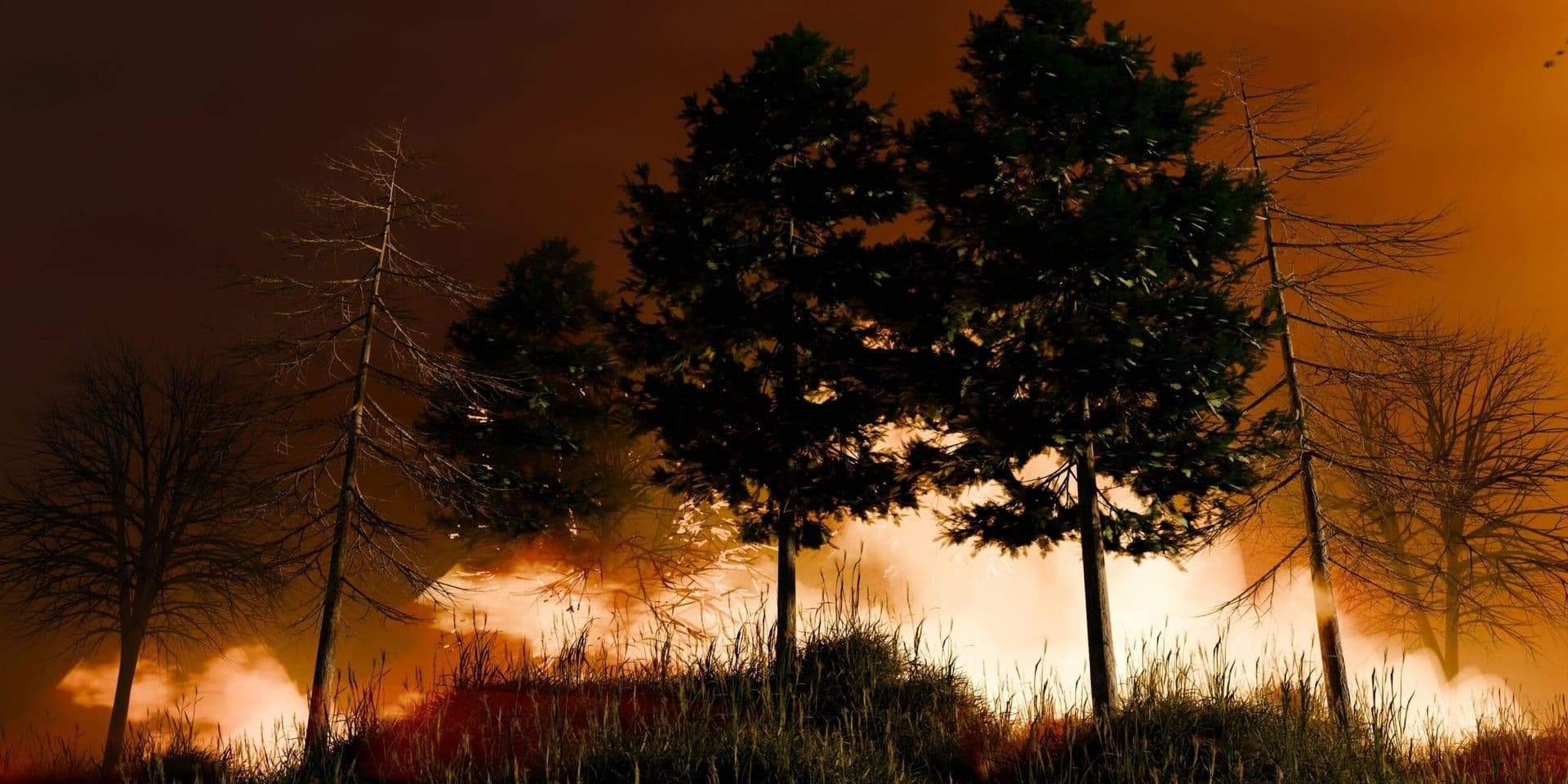
Smoke from more than 100 active wildfires in Manitoba, Canada, has spread southward into the United States, causing a marked decline in air quality across several Midwest states. Areas in Minnesota, Wisconsin, Michigan, Iowa, and Illinois are experiencing air pollution levels ranging from moderate to unhealthy, with northern Minnesota facing particularly severe conditions classified at the red Air Quality Index (AQI) level, indicating hazardous air for all residents.
The ongoing wildfires in Manitoba have been fueled by dry conditions and high temperatures, leading to intense smoke plumes that travel thousands of miles across the border. The dense smoke contains particulate matter and other pollutants that pose serious health risks, particularly to vulnerable groups including children, the elderly, and individuals with respiratory or cardiovascular conditions.
Local health officials have issued warnings urging residents to limit outdoor activities, avoid strenuous exercise, and stay indoors where air filtration systems are available. Schools and community centers in affected areas are taking precautions, with some adjusting schedules or temporarily closing to protect sensitive populations.
“This smoke can exacerbate asthma, bronchitis, and other lung diseases,” explained Dr. Lisa Hendricks, a pulmonologist based in Minnesota. “People with pre-existing health issues should be especially cautious and monitor local air quality reports.”
The Environmental Protection Agency (EPA) is closely monitoring the situation and collaborating with state environmental agencies to provide timely updates and guidance. Air quality forecasts suggest that the smoky conditions may persist for several days as the wildfires continue to burn, depending largely on weather patterns that influence smoke dispersal.
Beyond health concerns, the wildfires have also disrupted travel and outdoor events across the region, with visibility reduced and odors from smoke reported by residents. Emergency services remain on alert as firefighting efforts continue in Manitoba, though containment has proven difficult given the vast scale of the blazes.
The current wildfire crisis in Canada adds to a growing pattern of increasingly severe wildfire seasons, attributed in part to climate change effects such as prolonged droughts and rising temperatures. This trend highlights the cross-border nature of environmental challenges and the importance of coordinated response efforts.
As communities in the Midwest grapple with the smoky haze, authorities continue to urge vigilance and preparedness, emphasizing that residents stay informed through official channels and take necessary precautions to safeguard their health.
For more information, visit the Associated Press.
https://apnews.com/article/midwest-wildfire-smoke-canada-air-quality

Democrat Digest Contributor
This article features partner, contributor, or branded content from a third party. Members of the Democrat Digest editorial staff were not involved in the creation of this content. All views and opinions are those of the contributor alone.
You May Also Like

National Day Of Remembrance Brings Native Boarding School History Into Focus Across The United States

NASA And Boeing Set A New Course For Starliner With Uncrewed Flight And 2028 Astronaut Return

The Northeast Nor’easter Shows Why Weather Preparedness Must Become Part Of Everyday Life
America’s Flood Mapping Expansion Shows How Public Data Can Strengthen Community Resilience

NASA’s Fire Amoeba Discovery Is A Reminder That Science Still Has The Power To Surprise Us