
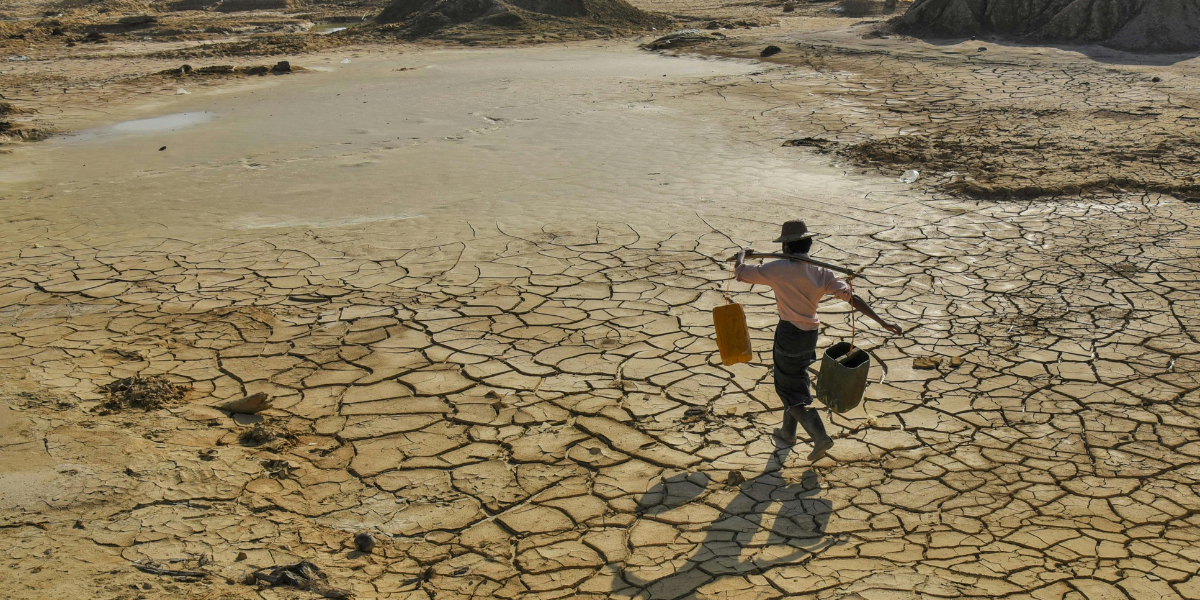
A major climate development emerged as the World Meteorological Organization warned that a moderate to potentially strong El Niño event is likely to develop in the coming months, increasing risks of extreme weather across the United States and globally.
The phenomenon occurs when sea surface temperatures in the central and eastern Pacific Ocean become unusually warm, altering atmospheric circulation and influencing weather patterns worldwide, including shifts in rainfall and temperature across multiple regions.
Forecasters indicate there is a strong likelihood that El Niño conditions could develop between June and August and persist through the end of the year, potentially contributing to above-average global temperatures and more frequent extreme weather events.
In the United States, southern regions are often among the most affected during El Niño periods, with changes in rainfall patterns influencing drought risk, agriculture, and water management systems.
Climate experts note that while El Niño is a natural climate pattern, its effects can be amplified by long-term global warming trends, which may increase the intensity of heatwaves and extreme precipitation events.
Agricultural sectors, water resource managers, and emergency planners closely monitor El Niño forecasts because of their influence on crop yields, reservoir levels, and disaster preparedness strategies across multiple regions.
Public health officials also pay attention to climate outlooks, as prolonged heat and shifting weather patterns can increase risks for vulnerable populations, including older adults and outdoor workers during extreme conditions.
Emergency management agencies use seasonal forecasts to prepare cooling centers, strengthen infrastructure response, and coordinate public communication strategies designed to reduce the impact of severe weather.
Although uncertainty remains about the exact strength and regional distribution of the upcoming El Niño, scientists emphasize the importance of early preparation and continuous monitoring of ocean and atmospheric conditions.
The developing climate pattern highlights the importance of resilience planning and coordinated responses across government and local communities to reduce the impacts of extreme weather in the months ahead.
Historical El Niño events have been associated with notable weather disruptions in the United States, including wetter winters in the South and warmer conditions in northern regions, though outcomes vary depending on event strength and timing.
Modern climate models use ocean temperature data, atmospheric pressure patterns, and historical analogs to project the likely development and impacts of El Niño events months in advance.
Energy systems and transportation networks can also be affected by extreme weather linked to El Niño, prompting utilities and planners to evaluate preparedness measures.
Economic impacts may include disruptions to agriculture supply chains, fluctuations in food prices, and increased costs associated with disaster response and recovery efforts.
Experts recommend that communities strengthen early warning systems, update emergency response plans, and improve public awareness of climate risks ahead of seasonal changes.
While forecasts provide valuable guidance, the exact intensity and duration of El Niño events can shift as ocean and atmospheric conditions evolve over time.
International agencies continue to collaborate on monitoring systems that track ocean temperatures and improve predictive accuracy for climate-related hazards worldwide.
As climate variability increases, scientists emphasize the need for long-term adaptation strategies that reduce vulnerability and strengthen resilience in both urban and rural communities.
One of the most significant concerns linked to El Niño is the increased likelihood of extreme weather variability, including alternating periods of heavy rainfall and prolonged dry spells across different regions of the country.
The National Oceanic and Atmospheric Administration plays a key role in monitoring oceanic and atmospheric conditions to refine seasonal forecasts and inform public preparedness efforts.
Local governments often use seasonal climate outlooks to guide resource allocation decisions, including emergency staffing, infrastructure maintenance, and public safety planning during high-risk periods.
Extended periods of heat and humidity associated with El Niño conditions can place additional strain on healthcare systems, particularly during peak summer months when demand for medical services increases.
Urban planners are increasingly incorporating climate projections into infrastructure design, including drainage systems, heat mitigation measures, and resilient building standards.
These measures reflect a growing recognition that climate preparedness is essential for protecting communities and reducing long-term environmental and economic risks.
Continued monitoring will remain critical throughout the upcoming seasonal cycle.