
Virginia Reburies Three Enslaved Ancestors After Decades
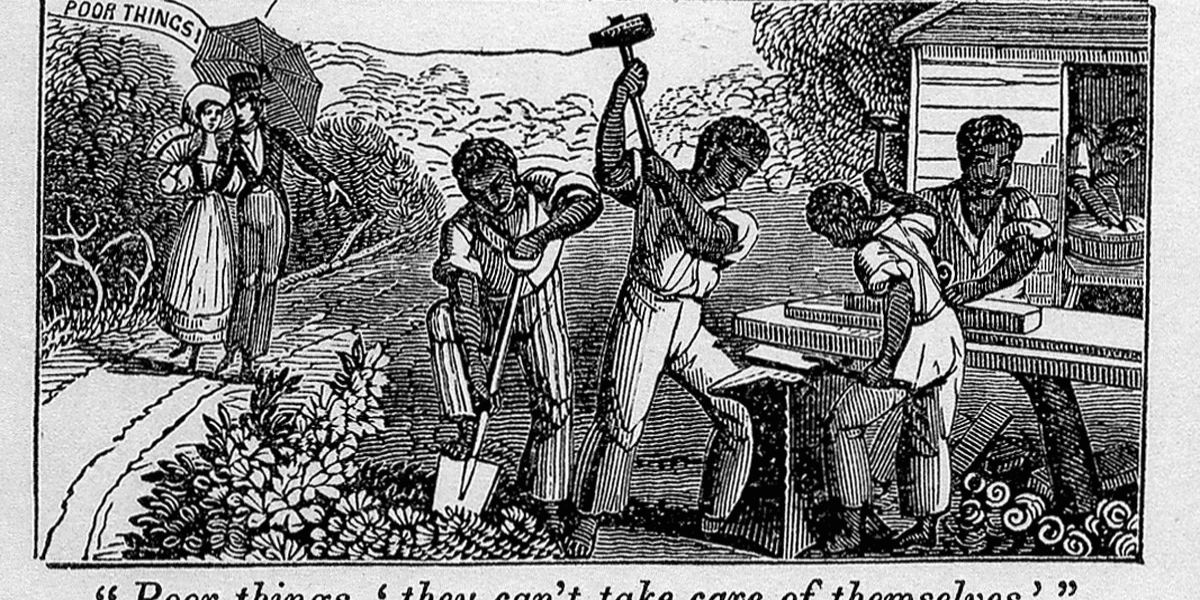
Virginia descendants honor three enslaved ancestors through a historic reburial, renewing efforts to restore dignity and preserve forgotten history.
A Long-Awaited Homecoming in Colonial Virginia
After decades away from their original resting place, the remains of three enslaved African Americans have finally returned to Virginia. Their reburial represents more than a historical ceremony. It marks an important moment for descendants seeking to honor their ancestors and restore dignity to people whose identities were largely lost through slavery and the passage of time.
The story gained national attention on November 12, 2026, following reporting about a reinterment ceremony held earlier in the month in Williamsburg, Virginia. The remains of a woman, a young boy, and a young man were returned to a burial site near where they had once lived.
The ceremony brought together religious leaders, descendants, historians, and members of the local community. Their gathering reflected a shared commitment to remembering people whose lives and stories were often overlooked in traditional accounts of American history.
Three Ancestors Finally Receive Recognition
The three individuals had been buried at the historic Utopia Quarter, a site associated with enslaved people who lived and worked on nearby plantations.
During archaeological investigations in the 1970s and 1990s, researchers recovered human remains and historical artifacts from the area. Most of the recovered remains were eventually reburied. However, the remains of three individuals were transferred to the Smithsonian Institution in Washington, D.C., for research and preservation.
They remained there for decades.
The remains included the cranium of a woman, a small portion of a young boy's tooth, and a temporal bone belonging to a young man. Their original names were unknown.
As part of the effort to honor their identities and heritage, descendants and organizers gave them new West African names.
The woman was named Sia. The young boy was named Obi, while the young man was named Amara.
These names became central to the remembrance ceremony. Although researchers could not recover their original identities, the names offered a meaningful way to recognize them as individuals rather than anonymous archaeological remains.
The reburial took place on November 2, 2026, at the Utopia burial site within the Kingsmill community near Williamsburg.
Descendants Lead the Effort to Restore Their History
The return of the remains followed work led by the Rev. Jan Brown of the Episcopal Diocese of Southern Virginia.
Brown researched historical church records and worked with descendants and religious leaders to bring attention to the remains held by the Smithsonian.
Her work revealed a wider history involving enslaved African Americans connected to Bruton Parish Church and nearby plantations.
The effort also involved the Episcopal Church, whose leaders acknowledged the institution's historical involvement in slavery.
During the ceremony, religious leaders reflected on the responsibility to recognize historical wrongdoing and preserve the memory of those who suffered under slavery.
The service included prayers, remembrance, and a procession carrying the remains to their final resting place.
For descendants, the ceremony provided an opportunity to participate directly in honoring people whose names and personal histories had not survived.
Loretta Burwell, an 82-year-old descendant of people enslaved by the Burwell family at Kingsmill, participated in the burial by placing the first shovel of soil at the memorial site.
Her presence represented the continuing connection between historical events and families living today.
A Wider Effort to Recover Forgotten Ancestors
Although the reburial of Sia, Obi, and Amara represents an important achievement, the work is not finished.
Researchers and church representatives have identified the remains of 38 additional enslaved African Americans connected to the nearby Pettus Plantation cemetery.
Those remains were removed during construction activity around 2000 and later transferred to the Smithsonian for preservation and examination.
Brown and descendants have requested their return so they can also receive appropriate burial.
The Smithsonian has stated that the remains were transferred from the Virginia Department of Historic Resources for preservation and research in 2018. The institution is reviewing the request for their respectful return under its applicable policies.
The situation illustrates the complicated process involved in returning historical human remains. Researchers and institutions must consider preservation records, descendant connections, burial locations, and the circumstances under which remains were originally removed.
For families, however, the issue extends beyond archaeological research. It concerns the recognition of ancestors and the opportunity to honor them according to their heritage and traditions.
Why This Reburial Matters to American History
The reburial carries significance beyond Williamsburg.
Across the United States, historical cemeteries associated with enslaved communities have faced neglect, displacement, and destruction. In many cases, the identities of those buried there were never properly documented.
As communities work to preserve these sites, descendants are increasingly involved in decisions about historical interpretation, memorialization, and the respectful treatment of ancestral remains.
The Virginia ceremony demonstrates the importance of combining historical research with the voices of descendant communities.
It also highlights how churches, museums, universities, and public institutions can examine their historical records and take meaningful steps toward acknowledging the past.
Preserving history requires more than maintaining buildings and displaying artifacts. It also means recognizing the individuals whose lives shaped those places.
A Legacy That Deserves to Be Remembered
The return of Sia, Obi, and Amara offers a powerful example of how historical recovery can restore dignity to people who were denied recognition during their lifetimes.
Their original names may remain unknown, but their stories are no longer limited to archaeological records or museum collections.
Through the efforts of descendants, religious leaders, and researchers, three individuals have received a place of remembrance connected to the land where their lives were once rooted.
The ongoing effort to return the remains of other enslaved ancestors shows that this work remains unfinished.
For the families involved, the ceremony was not simply about looking backward. It was about ensuring that future generations understand the history of their ancestors and recognize the importance of preserving their memory.
In bringing these individuals home, the Williamsburg community has taken an important step toward ensuring that forgotten lives are given the recognition and respect they deserve.

Democrat Digest Contributor
This article features partner, contributor, or branded content from a third party. Members of the Democrat Digest editorial staff were not involved in the creation of this content. All views and opinions are those of the contributor alone.
You May Also Like
NASA’s Voyager 1 Reaches Historic One Light Day From Earth

U.S. Banking Outage Raises Questions About Digital Reliability
FAA Ground Stop Exposes Urgent Need for Air Traffic Modernization

Oliver Happy Hour Examines the 2026 Blue Wave and What Comes Next

NTSB Recovers Black Box From Deadly Florida Jet Crash