
FAA Ground Stop Exposes Urgent Need for Air Traffic Modernization
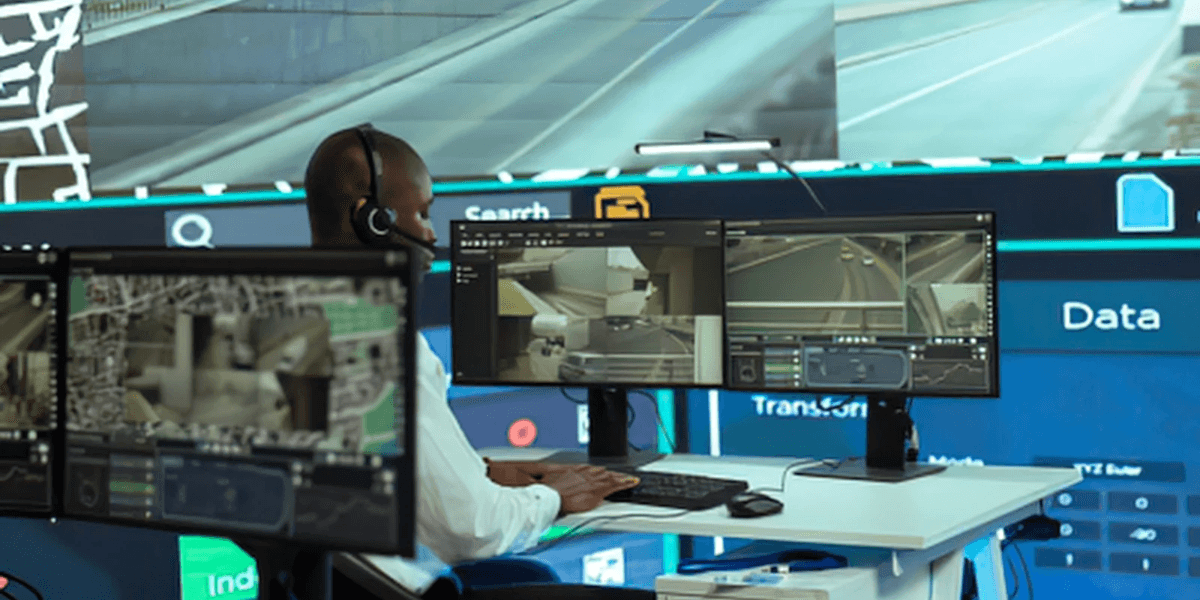
An FAA communications failure disrupts thousands of flights, exposing weaknesses in aging air traffic infrastructure and modernization efforts.
Nationwide Flight Disruption Raises Concerns About Aviation Infrastructure
Thousands of travelers across the United States faced unexpected delays, cancellations, and uncertainty after a technical failure forced the Federal Aviation Administration (FAA) to temporarily halt departing flights nationwide on November 13, 2026. Although the ground stop was lifted later that evening, its effects continued into Saturday, November 14, leaving airlines and airports struggling to restore normal operations.
The incident became one of the most significant disruptions to American air travel in recent years. It also raised important questions about the reliability of the country's air traffic control infrastructure, particularly the telecommunications systems that allow controllers to communicate with pilots and monitor aircraft.
Federal officials confirmed that the disruption involved instability in the FAA's communications network. The agency ordered the nationwide ground stop as a precaution to protect passengers and maintain aviation safety.
What Caused the Nationwide Ground Stop?
According to information presented by Transportation Secretary Sean Duffy and FAA Administrator Bryan Bedford on November 14, the disruption began during routine telecommunications maintenance at a remote FAA facility.
A contractor, L3Harris Technologies, was working to replace aging copper telecommunications connections with fiber optic infrastructure. During this process, a router began generating an unusually high volume of connection attempts across the FAA network.
Duffy explained that the equipment generated more than 1,000 connection attempts every four to five seconds. This activity affected communications between air traffic controllers and aircraft while also creating instability in some radar feeds.
The FAA began experiencing network problems at approximately 3:36 p.m. Eastern time on November 13. As the disruption spread across multiple facilities, officials decided to halt departing flights throughout the country.
The decision reflected an established aviation safety principle: when critical systems become unstable, operations should be restricted until officials can establish that aircraft can operate safely.
Importantly, the incident did not result in a complete loss of radar or communications capabilities. Some systems and radio frequencies remained operational, allowing controllers and pilots to continue following safety procedures.
Thousands of Flights Affected Across the Country
The consequences extended far beyond the facilities where the technical problems originated.
According to the Department of Transportation, approximately 3,500 aircraft were in the air when the nationwide ground stop was implemented. Air traffic controllers and pilots coordinated the safe landing of those aircraft.
The FAA subsequently confirmed that all passengers arrived safely.
However, the disruption created significant operational challenges for commercial airlines. Aircraft and flight crews were no longer positioned according to their original schedules. As a result, even after the ground stop ended, airlines needed time to reorganize operations.
By November 14, thousands of additional cancellations and delays were affecting travelers.
FAA Administrator Bryan Bedford acknowledged the scale of the disruption while expressing confidence that the situation would improve. Officials initially expected airline schedules to return to normal by the end of the weekend.
For passengers, the incident demonstrated how a technical problem within the aviation network can affect travel across multiple states, even when individual airports are functioning normally.
Aging Technology Becomes a Major Concern
Beyond the immediate disruption, the incident highlighted a longstanding challenge facing American aviation: aging air traffic control infrastructure.
The FAA operates a complex network of telecommunications equipment, radar systems, and communication facilities. These systems must work together continuously to support the safe movement of aircraft.
However, portions of the infrastructure rely on older technology that requires specialized maintenance and replacement.
The transition from copper telecommunications lines to fiber optic connections is part of a broader effort to improve reliability and modernize the network.
Fiber technology offers significant advantages, including greater capacity and improved support for modern communications. However, upgrading essential infrastructure presents challenges because existing systems must continue operating while replacements are installed.
The November 13 disruption illustrated the importance of carefully managing that transition.
It also raised questions about backup systems, network monitoring, contractor oversight, and the ability to isolate technical failures before they spread across multiple facilities.
Aviation safety depends not only on modern equipment but also on reliable backup capabilities and effective maintenance procedures.
Why Modernization Matters for Travelers
The incident offers an important lesson about the relationship between public infrastructure and everyday life.
Air travel supports tourism, business operations, family connections, and the movement of essential goods. When aviation systems experience major disruptions, the effects can reach communities and industries far beyond airports.
Modernizing air traffic control infrastructure is therefore not simply a technology project. It is an investment in transportation reliability and public safety.
Federal officials have emphasized the need for additional resources to replace outdated equipment and improve the country's air traffic control network.
However, modernization must involve more than purchasing new hardware. It also requires careful planning, effective testing, workforce training, and strong coordination between government agencies and private contractors.
The Government Accountability Office has previously identified significant challenges involving aging federal information technology systems. Its findings reinforce the importance of addressing outdated equipment before failures create widespread operational problems.
The aviation disruption also demonstrates why infrastructure improvements should include clear accountability and measurable performance standards.
What Happens Next?
The FAA and L3Harris continued investigating the technical failure following the November 13 incident.
Officials said they were examining whether the problem involved a faulty router, installation errors, or another issue associated with the telecommunications upgrade.
The agency also worked to stabilize the affected network and prevent similar disruptions while its investigation continued.
For travelers, the immediate priority remained restoring reliable airline schedules and addressing outstanding cancellations.
For transportation officials, the longer-term challenge is ensuring that modernization efforts do not introduce unnecessary risks to essential aviation operations.
The incident serves as a reminder that dependable public infrastructure requires consistent investment, careful oversight, and preparation for unexpected failures.
A Wake-Up Call for America's Transportation System
The nationwide ground stop was ultimately resolved without reported passenger fatalities or aircraft losses. The safe landing of thousands of aircraft demonstrated the importance of established aviation procedures and the professionalism of air traffic controllers and pilots.
Nevertheless, the disruption exposed weaknesses that deserve serious attention.
As air travel continues to connect communities across the country, reliable communication and monitoring systems remain essential. Modern equipment, effective backup networks, and responsible maintenance practices will help strengthen the aviation system for the future.
The November 13 incident should therefore be viewed as an opportunity to examine how the United States maintains its transportation infrastructure. Preventing another nationwide disruption will require more than resolving one technical failure. It will require sustained attention to the systems that keep American air travel moving safely.

Democrat Digest Contributor
This article features partner, contributor, or branded content from a third party. Members of the Democrat Digest editorial staff were not involved in the creation of this content. All views and opinions are those of the contributor alone.
You May Also Like

NASA’s Voyager 1 Reaches Historic One Light Day From Earth

U.S. Banking Outage Raises Questions About Digital Reliability

Oliver Happy Hour Examines the 2026 Blue Wave and What Comes Next

Virginia Reburies Three Enslaved Ancestors After Decades
NTSB Recovers Black Box From Deadly Florida Jet Crash