
Southwest Floods Bring Relief to Major U.S. Reservoirs as Lake Powell Rises
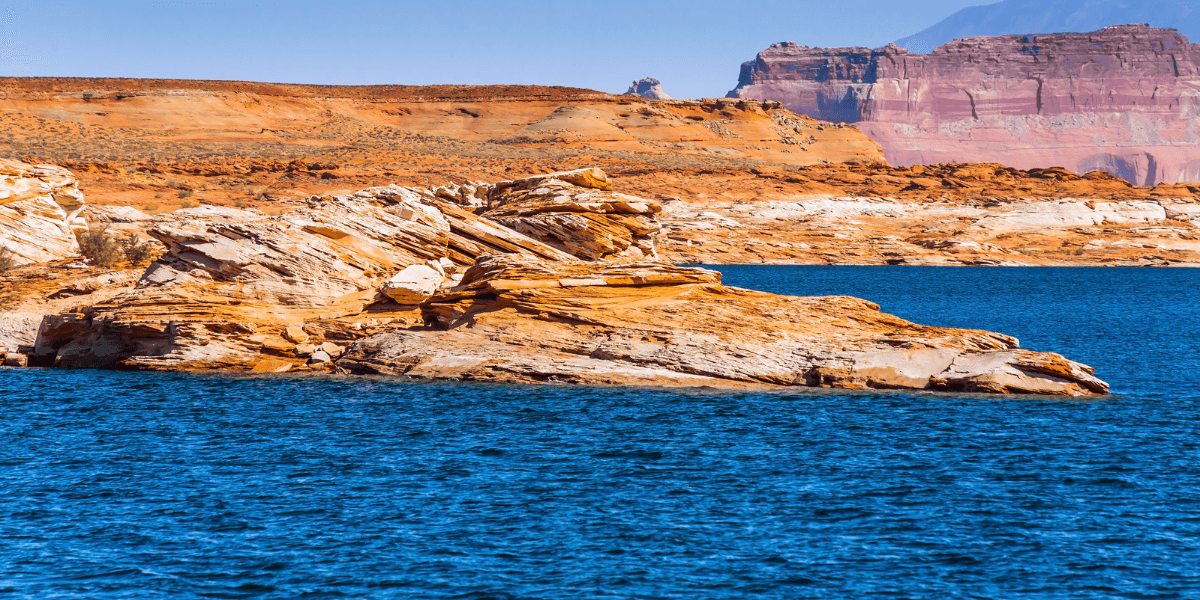
Heavy rainfall across the American Southwest has brought welcome water supplies to drought-stricken reservoirs while raising important questions about long-term water security.
Southwest Reservoirs Show Signs of Recovery
For communities that have spent years watching water levels decline, even a modest recovery can bring a sense of relief. Across parts of the American Southwest, recent flooding has delivered an unexpected benefit: higher water levels in some of the region's most important reservoirs.
On November 8, 2026, reports highlighted how flooding had brought rare relief to reservoirs across the Southwest, with Lake Powell rising approximately 20 feet. The development offered an important reminder of how quickly water conditions can change in a region where prolonged drought has placed pressure on rivers, reservoirs, agriculture, and growing communities.
Although the increase represents encouraging news, it does not mean the Southwest's broader water challenges have disappeared. Instead, it highlights the complicated relationship between rainfall, drought, water storage, and long-term resource management.
How the Rainfall Changed Local Water Supplies
The benefits were particularly visible in communities that had faced water restrictions. In Pagosa Springs, Colorado, approximately seven inches of rain fell during October. Before the storms, more than 10,000 residents in the town and surrounding communities were affected by water restrictions.
Following the rainfall, local officials lifted those restrictions. Town Manager David Harris acknowledged the destructive effects of the storms but also pointed to improved conditions for winter snowpack in higher elevations. The rainfall offered an important opportunity to rebuild local water supplies after a difficult period.
Arizona also recorded substantial improvements. Upper Lake Mary, a major water source for Flagstaff, received more than three billion gallons of water since early October. The reservoir supplies up to 40 percent of the city's water, making the additional inflow especially significant.
The improvement provides a buffer for Flagstaff's water system, which relies heavily on underground aquifers. Meanwhile, flooding in central Arizona sent water into streams connected to the Verde River. Increased flows allowed water managers to release water from two nearly full dams into sections of the river that are normally dry.
These developments demonstrate that heavy rainfall can provide benefits beyond immediate reservoir recovery. It can also replenish groundwater, support municipal supplies, and improve conditions for communities that depend on limited natural resources.
Why Lake Powell's Recovery Matters
Lake Powell is one of the most important water storage facilities in the United States. Located along the Arizona and Utah border, it plays a central role in the Colorado River system.
Its water supports communities, agricultural operations, and other users throughout the Southwest. The reservoir also supports hydroelectric power generation through Glen Canyon Dam.
The recent increase is significant because Lake Powell had experienced substantial declines during years of drought and limited snowfall.
However, the recovery should be viewed in context. Despite rising more than 20 feet from its September low, the reservoir remained just over one-quarter full.
This distinction matters. A noticeable increase in water elevation does not automatically mean that a reservoir has returned to healthy operating conditions.
Federal water managers continue to monitor Lake Powell's water levels, inflows, releases, and storage conditions. These measurements help officials evaluate available supplies and plan operations across the Colorado River Basin.
El Niño and the Outlook for Winter
Another important factor behind the rainfall is El Niño, a natural climate pattern associated with changes in ocean temperatures in the Pacific.
El Niño has contributed to wetter conditions affecting parts of the Southwest. Its influence could continue into the coming months, potentially providing additional opportunities for water replenishment.
Nevertheless, forecasts should not be mistaken for guaranteed improvements.
The amount of water ultimately reaching reservoirs depends on several factors, including the timing and location of precipitation, temperatures, and the amount of snow accumulated in mountain regions.
Snowpack is particularly important because melting snow traditionally provides a major source of water for Western reservoirs during spring and summer.
Researchers have emphasized that federal water managers are unlikely to change planned releases from Lake Powell until they have a clearer understanding of winter snowpack conditions, typically around April.
That approach reflects the importance of long-term planning rather than making major decisions based on a short period of unusually heavy rainfall.
The Continuing Challenge of Water Security
Despite the encouraging developments, the Southwest remains affected by drought.
Water management agreements also continue to shape the region's future. Under the federal plan discussed in November reporting, California, Nevada, and Arizona are expected to collectively reduce water use by 1.25 million acre-feet annually over the next two years.
These reductions demonstrate the scale of the challenges facing communities that depend on the Colorado River.
The recent storms also exposed another important issue: communities must prepare for both water shortages and excessive rainfall.
Flooding caused evacuations and disrupted access to some communities. Therefore, improved reservoir conditions should not overshadow the immediate dangers associated with extreme weather.
Water infrastructure must be capable of capturing available runoff while protecting residents, roads, and essential services.
What Readers Should Take Away
The November 8 developments offer three important lessons.
First, rainfall can provide meaningful relief to communities experiencing prolonged water shortages. Improvements at Lake Powell, Upper Lake Mary, and local water systems demonstrate the value of natural replenishment.
Second, temporary improvements do not eliminate long-term drought risks. Reservoir storage, groundwater conditions, and future snowpack remain essential indicators of regional water security.
Finally, effective water planning must account for changing weather conditions. Communities need reliable infrastructure, responsible conservation practices, and careful management of available supplies.
The Southwest's recent rainfall represents an encouraging development, but it is not a permanent solution. Continued monitoring and thoughtful resource management will determine whether this temporary improvement becomes a more lasting benefit.

Democrat Digest Contributor
This article features partner, contributor, or branded content from a third party. Members of the Democrat Digest editorial staff were not involved in the creation of this content. All views and opinions are those of the contributor alone.
You May Also Like

NASA’s Voyager 1 Reaches Historic One Light Day From Earth

U.S. Banking Outage Raises Questions About Digital Reliability

FAA Ground Stop Exposes Urgent Need for Air Traffic Modernization

Oliver Happy Hour Examines the 2026 Blue Wave and What Comes Next

Virginia Reburies Three Enslaved Ancestors After Decades