
Thanksgiving Air Travel Set to Reach a 16 Year High
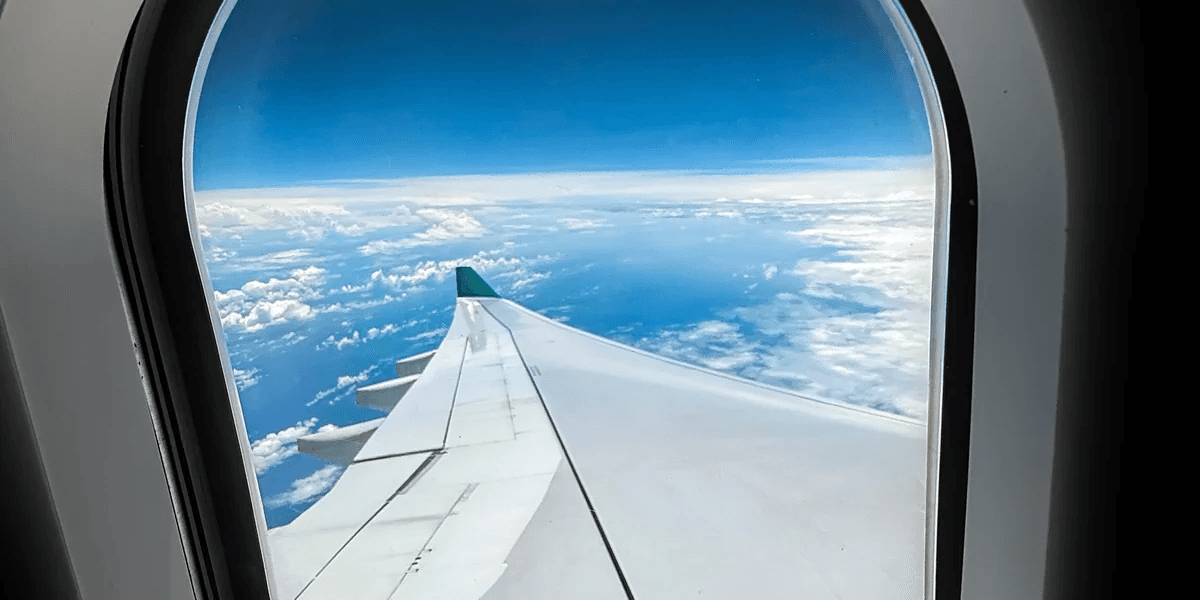
Record holiday flight demand and airport disruptions put America's aviation network under pressure as millions prepare for Thanksgiving.
Thanksgiving travel is entering one of its busiest periods in more than a decade, placing increased pressure on airports, airlines, and the nation's aviation infrastructure. On November 24, 2026, the Federal Aviation Administration (FAA) announced that the United States is preparing for its busiest Thanksgiving air travel period in 16 years. More than 417,000 flights are forecast across a nine day holiday travel window, highlighting the growing demand for domestic air transportation.
The announcement comes as millions of Americans prepare to visit family and friends for the holiday. However, a combination of crowded airports, changing weather conditions, and technical disruptions is creating additional challenges for travelers. The developments are drawing attention to the importance of aviation safety, reliable airport systems, and effective travel planning.
FAA Forecasts Record Thanksgiving Flight Activity
The FAA released its 2026 Thanksgiving flight forecast on November 24, identifying an expected increase in air traffic across the country.
According to the agency, more than 417,000 flights are forecast during the nine day period surrounding Thanksgiving. This would make the holiday one of the busiest aviation periods in the past 16 years.
Tuesday, November 24, was expected to be the busiest individual day, with more than 52,000 flights anticipated.
The projected increase reflects the importance of air transportation during major American holidays. Airports across the country must accommodate a large number of departing and arriving passengers while maintaining safe operations.
The FAA also emphasized the role of air traffic controllers and aviation safety professionals in managing the increased activity.
As flight volumes rise, coordination between airports, airlines, and air traffic control facilities becomes especially important. Even relatively small disruptions can affect multiple flights when aircraft schedules are tightly connected.
Chicago O'Hare Faces a Technical Disruption
The record travel forecast coincided with a technical problem at Chicago O'Hare International Airport, one of the country's major aviation hubs.
On November 24, the FAA reported an outage affecting the airport's Airport Surface Detection Equipment, Model X, commonly known as ASDE X.
This surveillance system helps air traffic controllers monitor aircraft and ground vehicles moving around runways and taxiways. It plays an important role in maintaining safe airport surface operations.
According to reporting by Reuters, the equipment failure affected arriving flights and contributed to delays. The FAA warned that increasing congestion could require another temporary halt to incoming aircraft while technicians worked to restore the system.
Some aircraft experienced holding delays, while average arrival delays reached approximately 47 minutes during the reported disruption.
Flight tracking information also indicated that hundreds of flights at O'Hare were delayed.
The incident demonstrated how technical problems at a major airport can affect the wider aviation network, particularly during periods of exceptionally high passenger demand.
Weather Adds Another Challenge for Holiday Travelers
Technical disruptions are not the only concern facing passengers this Thanksgiving.
The FAA also warned that weather conditions could affect flights throughout the holiday period.
Low cloud ceilings were expected to affect parts of the West Coast on November 24. Thunderstorms were possible across Florida and the Gulf Coast on Tuesday and Wednesday.
Rain was also forecast across parts of the Southeast, including the Atlanta region, before moving toward the Mid Atlantic. Additional rain and wind were expected across the Northeast on Thanksgiving Day.
These conditions can affect aircraft departure and arrival schedules. Poor visibility, thunderstorms, and strong winds may require adjustments to flight routes and airport operations.
Because major airports depend on coordinated arrival and departure schedules, weather disruptions in one region can create delays elsewhere.
For travelers connecting through major aviation hubs, this can mean longer waiting periods and missed connections.
Millions of Americans Expected to Travel
The FAA's flight forecast is part of a broader increase in holiday transportation activity.
The American Automobile Association (AAA) projected that approximately 81.5 million Americans would travel at least 50 miles from home between November 24 and November 30.
Although this represents a slight decrease from the previous year's estimate, the expected number remains close to historic levels.
AAA estimated that approximately 72.9 million people would travel by car, while 5.96 million were expected to take domestic flights.
The figures demonstrate how Thanksgiving remains one of the country's most important travel periods.
Airports, highways, rental car companies, and public transportation services all experience increased demand during the holiday.
For airlines, the challenge involves accommodating passengers while managing aircraft availability, crew schedules, weather conditions, and airport capacity.
For travelers, the experience often depends on how effectively these interconnected systems operate.
What Passengers Should Know Before Flying
The developments offer several important lessons for people planning holiday journeys.
First, passengers should allow additional time for airport procedures. Heavy passenger traffic can increase waiting times at check in counters, security checkpoints, and boarding gates.
Second, travelers should monitor their flight status through their airline's official website or mobile application. Schedules can change when weather conditions or technical problems affect airport operations.
Third, passengers with connecting flights should pay attention to their connection times. Delays at major airports can affect onward journeys, particularly when several flights operate on closely coordinated schedules.
The FAA also recommends checking its official National Airspace System Status website for information about airport conditions and potential disruptions.
Travelers can find additional guidance through the agency's official holiday travel information.
A Major Test for America's Aviation Network
The November 24 announcement highlights the growing demands placed on America's aviation infrastructure during major travel periods.
With more than 417,000 flights forecast, the Thanksgiving period represents a significant operational challenge for airlines, airports, and air traffic control professionals.
The disruption at Chicago O'Hare also illustrates why dependable technology and effective contingency planning are essential to modern aviation.
For passengers, the most important takeaway is the value of preparation. Checking flight information, allowing extra time, and staying informed about weather conditions can help reduce uncertainty during busy travel days.
As Thanksgiving approaches, the performance of the nation's aviation network will remain important to millions of Americans seeking to reach their holiday destinations safely and efficiently.

Democrat Digest Contributor
This article features partner, contributor, or branded content from a third party. Members of the Democrat Digest editorial staff were not involved in the creation of this content. All views and opinions are those of the contributor alone.
You May Also Like

West Coast Braces for Thanksgiving Week Coastal Flooding
NASA’s Voyager 1 Reaches Historic One Light Day From Earth

U.S. Banking Outage Raises Questions About Digital Reliability

FAA Ground Stop Exposes Urgent Need for Air Traffic Modernization

Oliver Happy Hour Examines the 2026 Blue Wave and What Comes Next